Key Developments
On 6 November 2026, the Bundeswehr said Germany needed at least 200,000 reservists to support homeland defence and NATO commitments, while a planned Reserve Strengthening Act was intended to make reserve service more reliable and better integrated into military structures.
Key Statistics
- 200,000 reservists were identified as the minimum requirement for Germany's reserve force, according to the Bundeswehr
- Historical: 500 soldiers took part in the Bundeswehr's Coronat Mask 2026 NATO exercise, according to the Bundeswehr
- Historical: 30 vehicles were deployed for the Coronat Mask 2026 exercise, according to the Bundeswehr
- Historical: 400 to 500 km was the movement range described for hazardous-material transport during Coronat Mask 2026, according to the Bundeswehr
Main Body
On 6 November 2026, the Bundeswehr said Germany was prioritising a stronger reserve force, with Defence Minister Boris Pistorius identifying at least 200,000 reservists as necessary for homeland security and NATO responsibilities. The announcement presented the reserve as a central part of Germany's national and alliance defence posture.
The Bundeswehr said the planned Reserve Strengthening Act was intended to improve how reservists were integrated into the force and to make their availability more dependable, with implementation expected by early 2027. In a related 6 November 2026 discussion, the Bundeswehr said Generaloberstabsarzt Nicole Schilling and DIHK expert Rainer Kambeck discussed the reserve's future, including mandatory reservist enlistment and business concerns favouring voluntary arrangements.
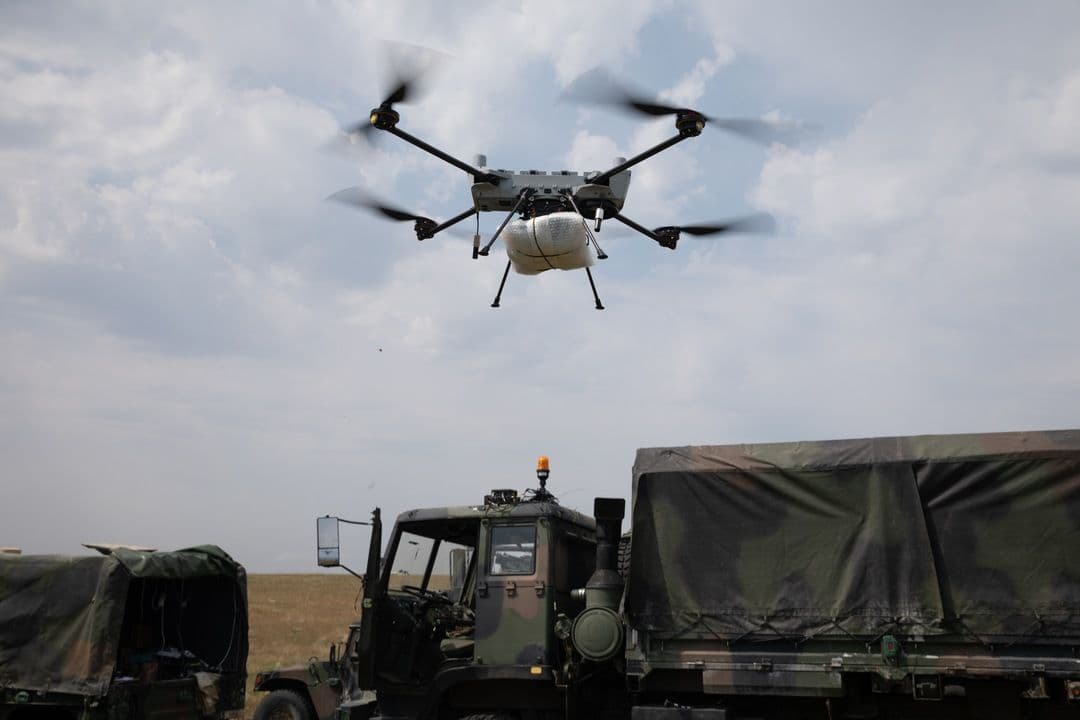
The reserve push followed other German readiness activity. On 28 October 2026, the Bundeswehr said its CBRN defence forces were training in Romania during the NATO exercise Coronat Mask 2026, moving hazardous materials across three countries to a mobile laboratory. On 4 November 2026, NATO said Berlin Security Conference discussions covered military mobility and resilience against hybrid actions.
The development mattered in practical terms because the Bundeswehr linked reserve depth directly to Germany's ability to support domestic defence and NATO tasks. The wider NATO context also underscored that personnel availability, mobility and resilience were being treated as connected requirements for deterrence and crisis response, according to NATO.