Key Developments
On 17 November 2026, the European Commission launched D-STORM's first cascade-funding call for SMEs and start-ups, offering support for practical work on loitering munitions and unmanned combat air systems. The commission said the European Defence Fund project sought operational input from organisations with relevant experience.
Key Statistics
- €90,000 total budget for the D-STORM cascade-funding call, according to the European Commission.
- €10,000 maximum funding available to each selected participant, according to the European Commission.
- Comparative: £25 million UK package for drones and electronic-warfare equipment, according to HM Government.
- Historical: more than 70 NATO Science for Peace and Security research projects involved Ukraine, according to NATO.
- Historical: more than 35% of NATO Science for Peace and Security activities included Ukrainian participation, according to NATO.
Main Body
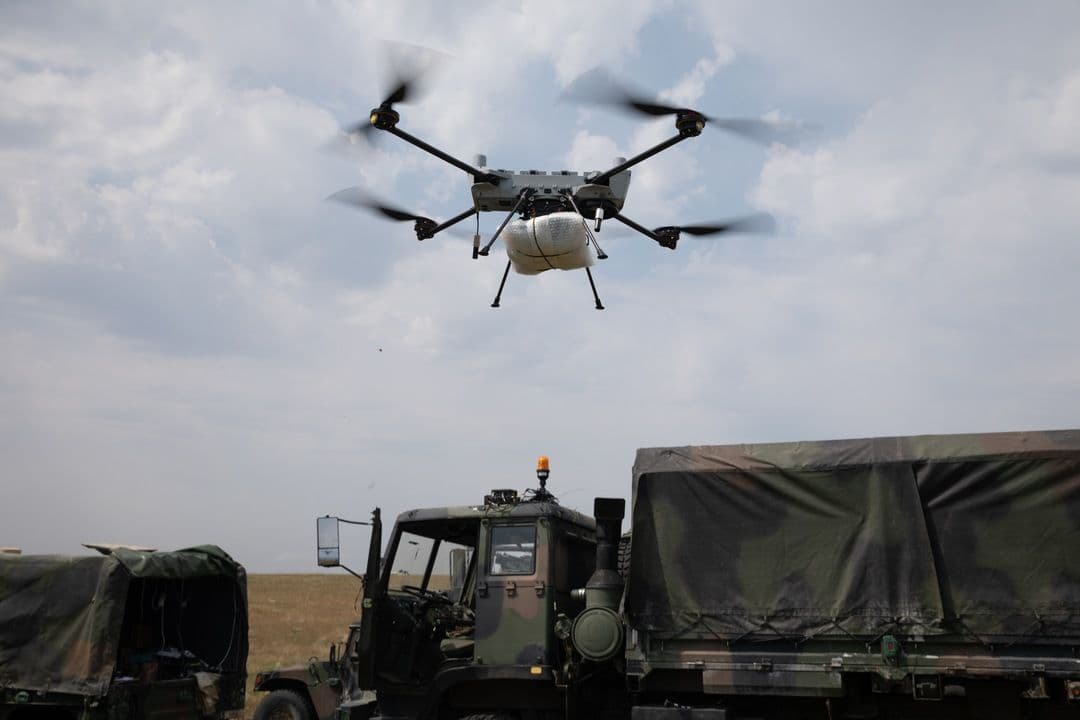
On 17 November 2026, the European Commission launched the first D-STORM open call for cascade funding under the European Defence Fund. The commission said the call targeted SMEs and start-ups able to contribute practical experience to work on loitering munitions and unmanned combat air systems.
The European Commission said the call had a €90,000 budget and allowed selected participants to receive up to €10,000 each. The commission described the funding as support for operational concepts, which made the mechanism an entry point for smaller organisations with relevant defence and unmanned-systems expertise.
The D-STORM notice followed related European Defence Fund activity, as GPS previously reported. It also aligned with wider official efforts to develop defence technology: on 17 November 2026, HM Government announced a £25 million package for British Army drones and electronic-warfare equipment on NATO's eastern flank, and on 10 November 2026, NATO said Ukraine was involved in more than 70 Science for Peace and Security research projects.
For defence governance, the practical significance was the channeling of limited public funds toward smaller suppliers working on unmanned combat concepts, according to the European Commission. That approach supported Europe’s defence-industrial base by linking operational feedback, research activity and emerging autonomous systems development within a formal EDF process.