Key Developments
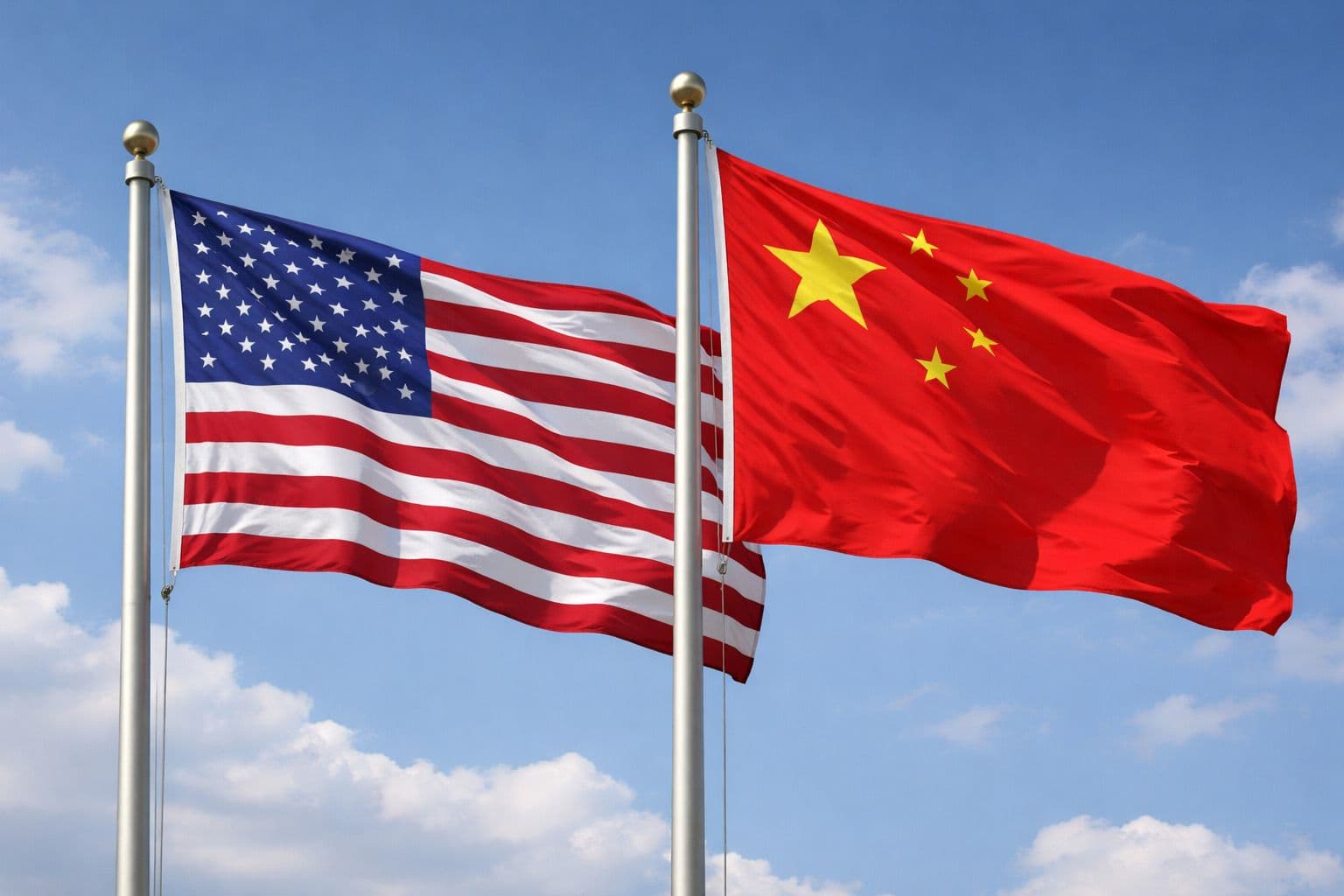
On 17 November 2026, the Prime Minister of Canada said Prime Minister Mark Carney advanced a Canada-China strategic partnership on trade, clean energy and cultural exchanges. A separate Prime Minister of Canada readout said Carney met President Xi Jinping in Shenzhen and agreed to extend tariff and cooperation arrangements.
Key Statistics
- $125.6 billion in Canada-China trade cited by the Prime Minister of Canada
- $35.1 billion in Canadian exports to China cited by the Prime Minister of Canada
- 90% of trade covered by reduced tariffs under arrangements cited by the Prime Minister of Canada
- $850,000 in scholarship support cited by the Prime Minister of Canada
- $8 million for an environmental initiative cited by the Prime Minister of Canada
- $43.4 billion in Chinese direct investment stock in Canada cited by the Prime Minister of Canada
Main Body
On 17 November 2026, the Prime Minister of Canada said Prime Minister Mark Carney had advanced Canada’s strategic partnership with China across trade, commerce and culture. The announcement followed a Shenzhen meeting with President Xi Jinping, where a Prime Minister of Canada readout said both leaders discussed tariff reductions, energy, education, artificial intelligence, tourism and business links.
The Prime Minister of Canada said the package included tariff reductions on Canadian exports, a planned trade mission to China in 2027, scholarships for Canadian students and support for environmental cooperation. The separate Prime Minister of Canada readout said the leaders also agreed to maintain communication on security issues.
The China initiative followed other Canadian diplomatic and trade efforts. On 12 November 2026, the Prime Minister of Canada said Carney had worked with European partners on economic resilience, security and Ukraine support, while a 3 November 2026 Prime Minister of Canada readout said Canada and Australia had discussed energy, critical minerals, security and artificial intelligence. The move also sat alongside Canada’s recent Asia trade agenda, as GPS previously reported.
The practical significance was economic and diplomatic. The Prime Minister of Canada framed the China measures as a way to expand exports, investment and cooperation, while the WTO reported that new trade-restrictive measures had risen sharply in the first half of 2026. In that context, the Canadian announcement pointed to Ottawa’s effort to keep major trade channels open while managing security dialogue with Beijing.