Key Developments
The U.S. convened key Western Hemisphere leaders at the Shield of the Americas Summit to enhance security cooperation against cartel networks and cyber threats. Concurrently, the UK announced over £5 million in emergency humanitarian funding for Lebanon amid escalating violence.
Key Statistics
- 3,000,000 deportations conducted by U.S. authorities last year.
- Over £5,000,000 emergency funding pledged by the UK for Lebanon humanitarian aid.
- More than 50,000 U.S. service members engaged in Operation Epic Fury since February 28.
- Approximately 6,000 Iranian targets struck during Operation Epic Fury.
- Over 60 ships damaged or destroyed in recent CENTCOM operations.
- 30 minelayers damaged or destroyed as part of CENTCOM strikes.
- Six narco-terrorists eliminated in a lethal strike on March 8 by Joint Task Force Southern Spear.
Main Body
In early March 2026, Secretary of State Marco Rubio and Secretary of Homeland Security Kristi Noem led critical discussions at the Shield of the Americas Summit held in Doral, Florida. The summit gathered presidents from El Salvador, Costa Rica, Panama, Bolivia, Honduras, and Chile to reinforce a shared commitment to disrupt transnational cartel networks undermining regional stability. Secretary Noem was appointed as a special envoy to deepen security and economic cooperation across the Western Hemisphere. The summit emphasized securing an environment conducive to economic progress while addressing challenges posed by organized crime and enhancing cybersecurity measures.
Operationally, these efforts align with ongoing U.S. counternarcotics operations in the Caribbean and Eastern Pacific regions. Despite criticism from international bodies such as the Inter-American Commission on Human Rights regarding procedural overreach during thematic hearings on these operations, U.S. officials underscored adherence to international humanitarian law frameworks while combating narcoterrorism threats. Additionally, Deputy Secretary Christopher Landau led a U.S. Presidential Delegation to Chile for President-elect José Antonio Kast’s inauguration from March 10–12 to reset bilateral relations focusing on security partnerships and supply chain resilience aimed at attracting investment.
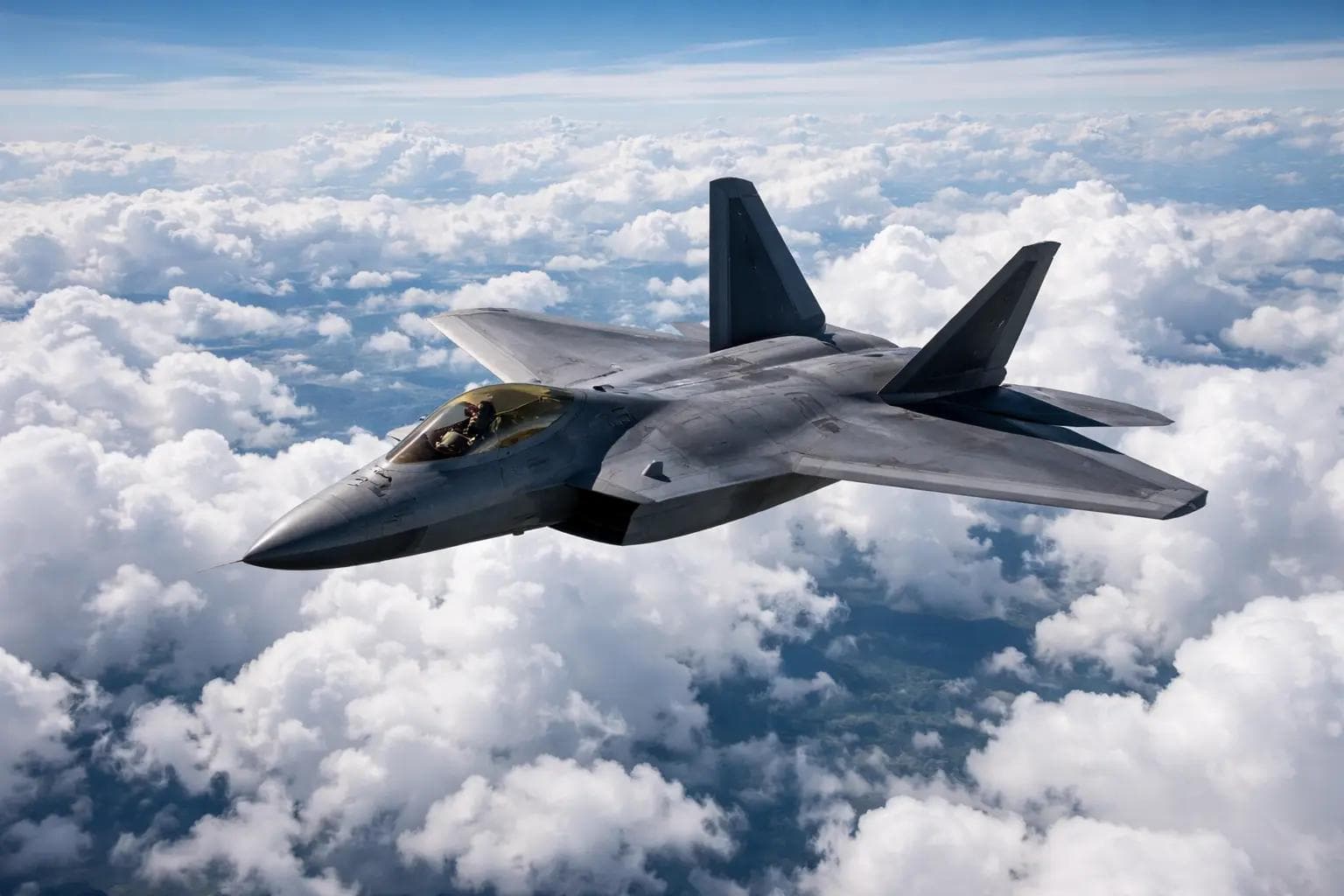
Historically, these developments continue longstanding U.S. policies targeting cartel disruption through multilateral engagement within the hemisphere complemented by robust homeland defense initiatives such as Operation Epic Fury against Iranian threats since late February 2026. This operation has involved over 50,000 service members establishing air and sea domain control with approximately 6,000 targets struck including damage inflicted on more than 60 ships and destruction of around 30 minelayers—demonstrating sustained operational dominance in strategic theaters relevant to hemispheric security dynamics.
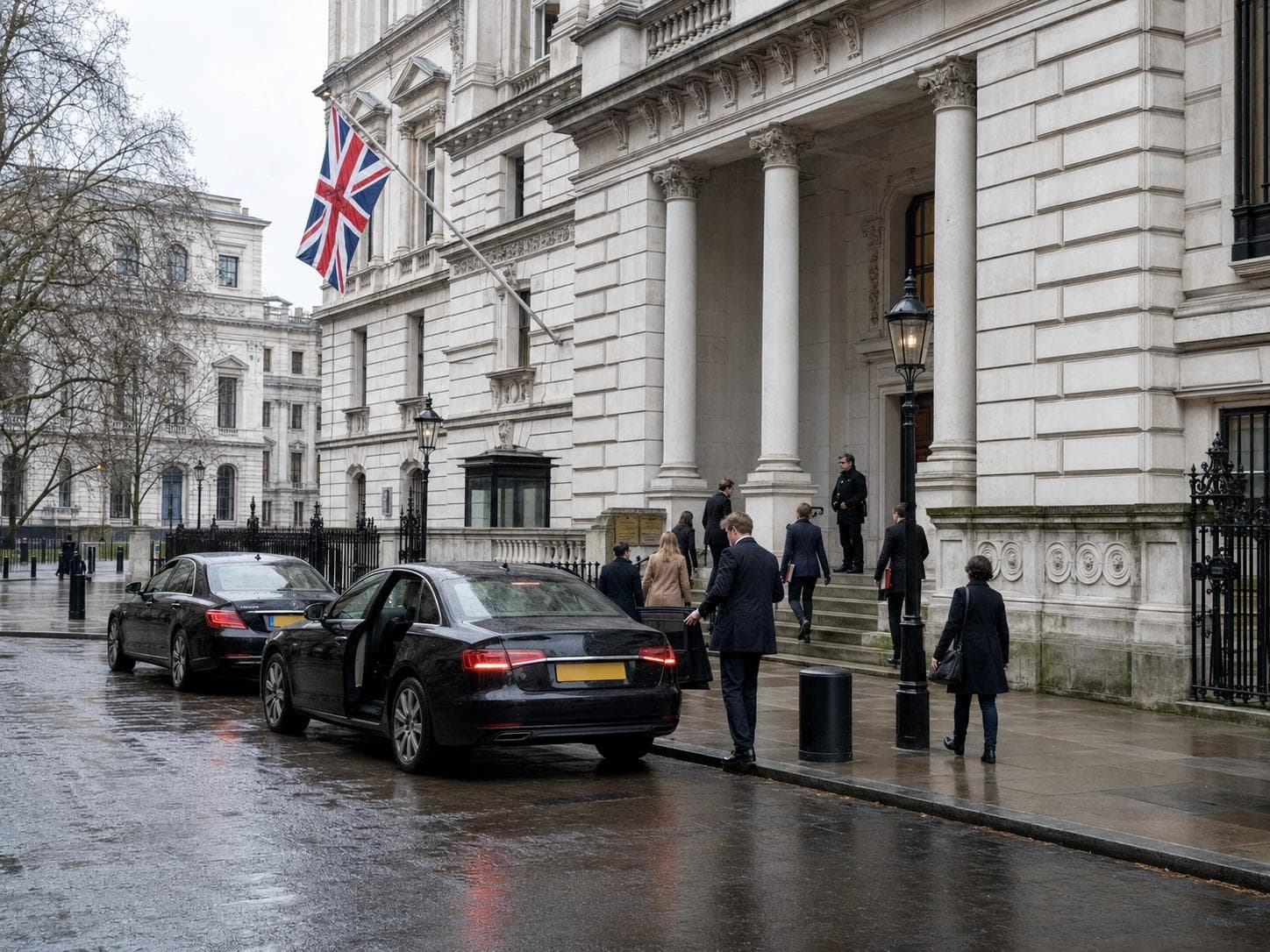
Simultaneously across the Atlantic, the United Kingdom responded to escalating conflict in Lebanon by announcing over £5 million in emergency funding aimed at supporting vulnerable civilians displaced by violence through food provision, shelter assistance, and sanitation services. This financial commitment complements prior UK diplomatic efforts condemning Hezbollah attacks on Israel while advocating for diplomatic engagement between Israel and Lebanon alongside support for Lebanese Armed Forces stability efforts as articulated during UN Security Council sessions earlier this month.
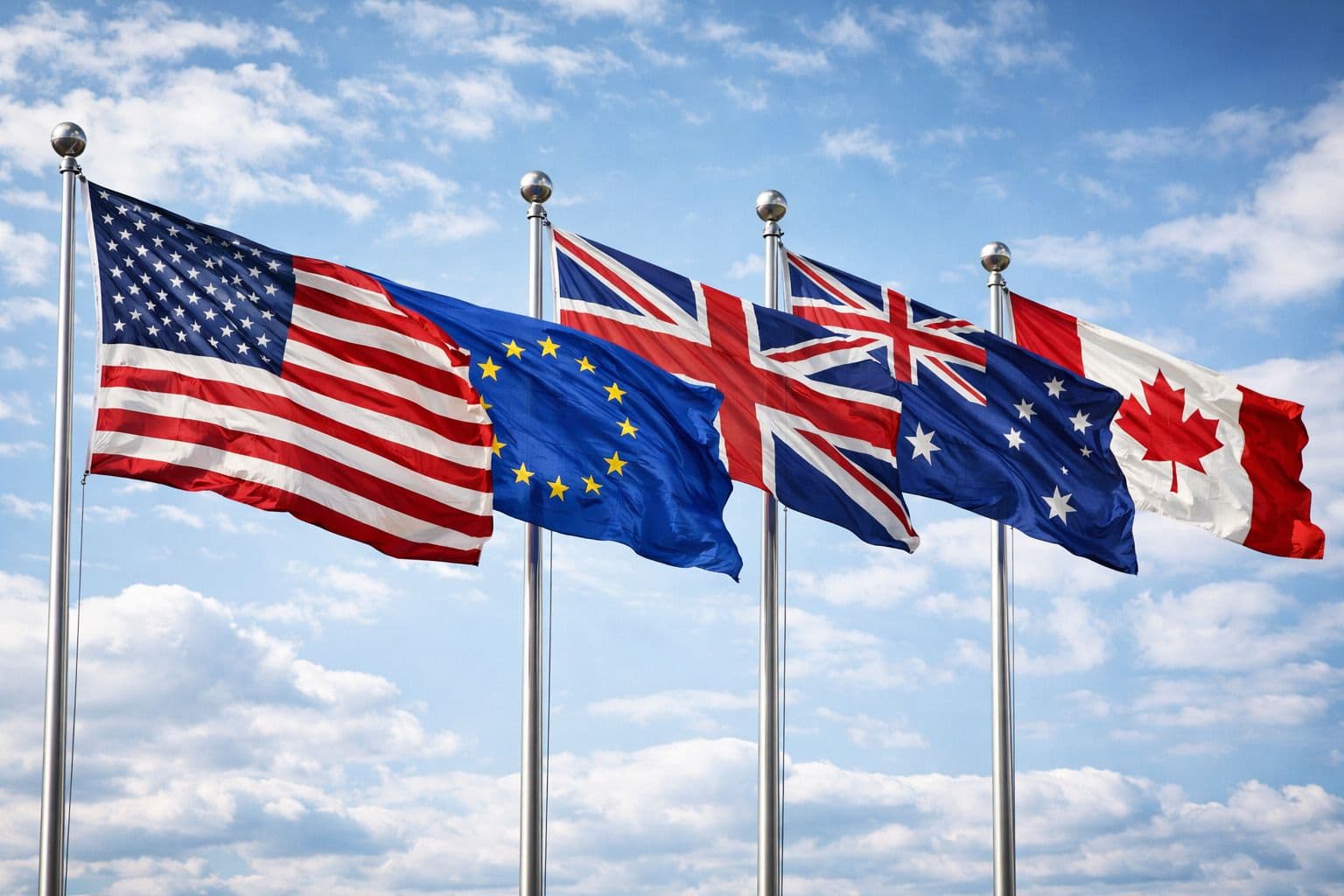
The combined actions underscore coordinated Western responses addressing multifaceted regional challenges—from transnational crime networks threatening governance integrity within the Americas to acute humanitarian crises destabilizing Middle Eastern states like Lebanon—highlighting integrated approaches linking security cooperation with humanitarian diplomacy essential for sustaining regional stability.