Key Developments
The UK and Germany held high-level talks in Berlin to advance the joint Deep Precision Strike missile programme, aiming for missiles with over 2,000 km range entering service in the 2030s. Concurrently, the UK raised concerns at the UN Human Rights Council about Iran’s internal repression. These developments occur amid increased regional instability linked to Iran, prompting EU discussions on naval security in the Strait of Hormuz.
Key Statistics
- 2,000 km: Range capability targeted for Deep Precision Strike missiles.
- £270 billion: Total UK defense investment approved by Parliament.
- £5 billion: Additional UK defense funding allocated recently.
- 61: UN Human Rights Council session number where UK addressed Iran and other human rights issues.
- 400 kg: Estimated amount of highly enriched uranium related to Iran’s nuclear program concerns cited by the UK.
- Nearly 3,000: Deaths from sectarian violence in Syria highlighted by the UK at UN HRC.
- 3 million: Number of deportations referenced by US officials during hemispheric security discussions.
Main Body
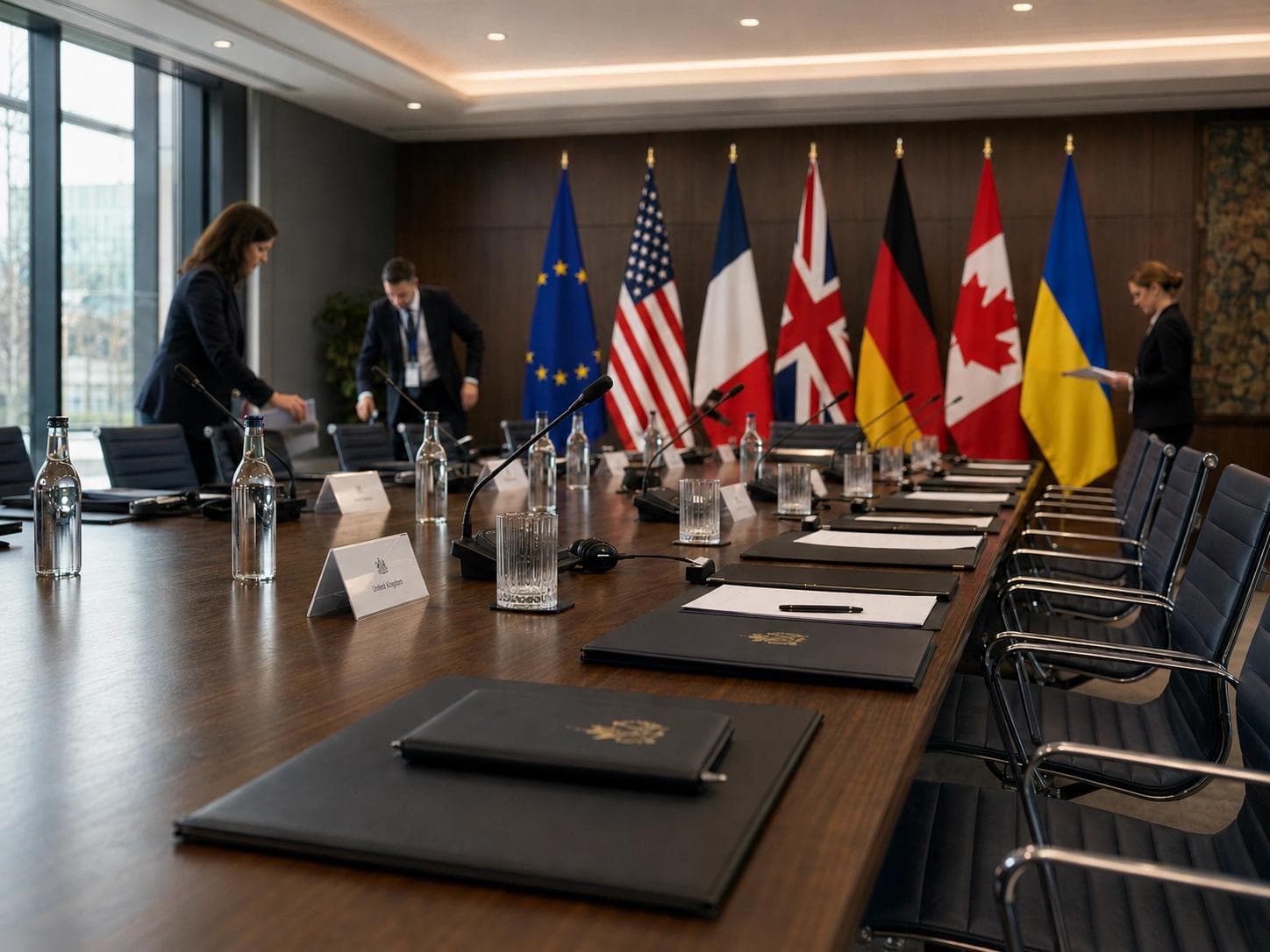
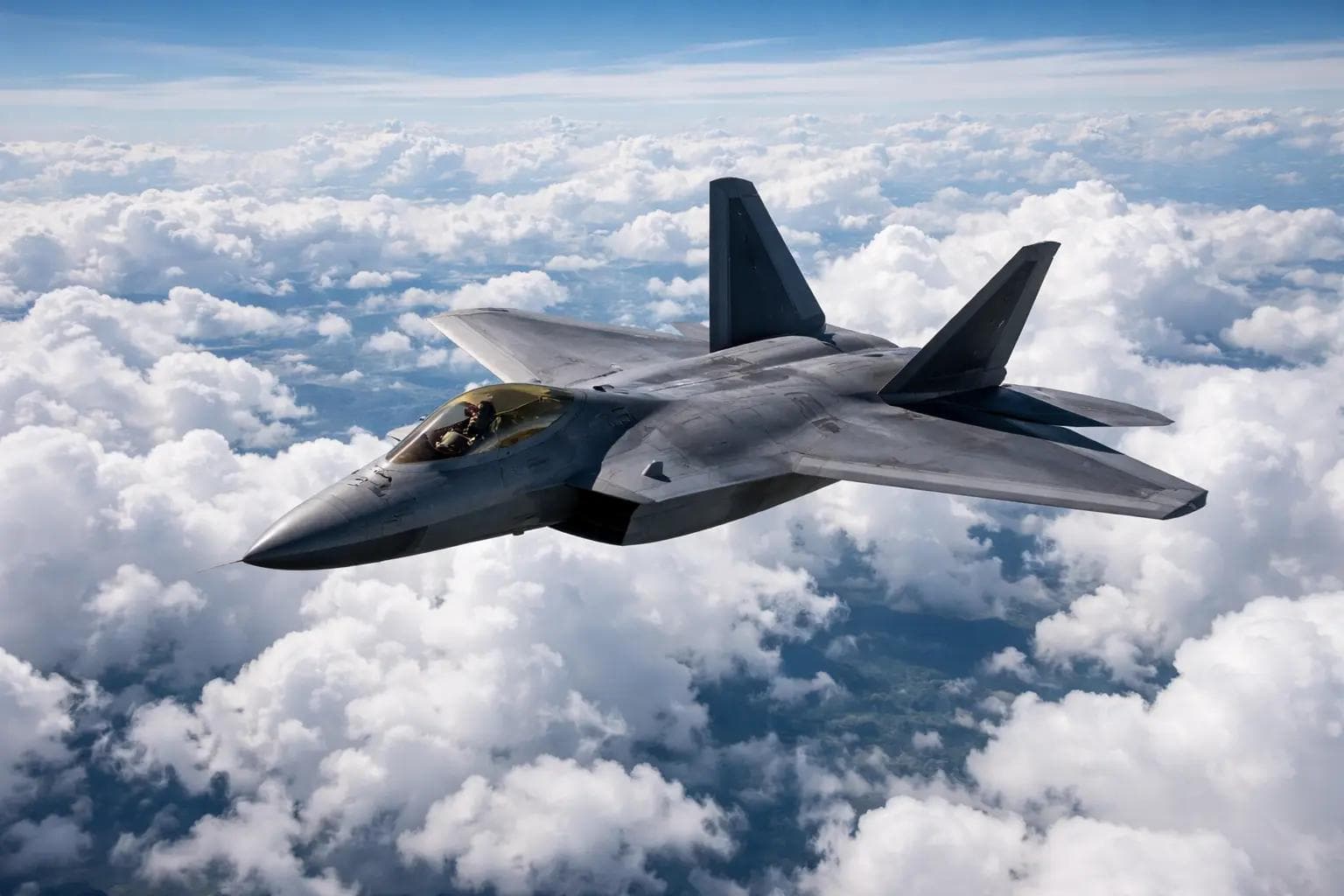
The United Kingdom and Germany advanced their collaborative efforts on developing a Deep Precision Strike missile system designed to enhance national security capabilities with a range exceeding 2,000 kilometers. The programme is scheduled to deliver operational missiles by the 2030s. This initiative was discussed during a meeting between UK Minister for Defence Readiness and Industry Luke Pollard and German State Secretary Jens Plötner in Berlin. The project reflects both nations’ commitment to strengthening their defense posture through cutting-edge technology investments supported by substantial parliamentary funding totaling £270 billion for defense, including an additional £5 billion recently allocated.
Simultaneously, at the United Nations Human Rights Council session number 61, delivered statements by UK's Human Rights Ambassador Eleanor Sanders underscored serious concerns regarding Iran’s domestic situation. The UK condemned Iranian authorities’ violent crackdowns on protesters and internet shutdowns that restrict information flow. These remarks align with ongoing British diplomatic efforts to hold Tehran accountable for human rights violations while reiterating opposition to Iran’s nuclear ambitions—highlighted by references to approximately 400 kilograms of highly enriched uranium stockpiled by Iran as a proliferation risk. The UK's broader engagement also included addressing atrocities in Syria with nearly 3,000 deaths from sectarian violence reported and condemning oppressive regimes elsewhere.
Historically, these actions fit within a continuum of British foreign policy emphasizing human rights advocacy alongside robust national security measures. The UK's participation in multilateral forums such as the UN Human Rights Council continues its tradition of promoting accountability for abuses while simultaneously investing heavily in defense modernization programs like the Deep Precision Strike missile project. This dual approach reflects lessons learned from prior commitments including sustained monitoring of conflict zones such as Ukraine and Myanmar and strategic deterrence initiatives aimed at countering threats posed by state actors like Iran.
The significance of these developments lies in their combined impact on regional stability and international security architecture. The missile programme enhances deterrence capabilities critical amid escalating tensions linked to Iranian activities affecting Middle Eastern maritime routes—prompting EU foreign ministers to consider extending naval missions protecting commercial shipping through strategic chokepoints like the Strait of Hormuz. Meanwhile, vocal international scrutiny of Iran's internal repression reinforces diplomatic pressure intended to curb destabilizing behaviors without escalating military confrontation. Together, these efforts illustrate an integrated strategy balancing technological advancement with principled diplomacy aimed at safeguarding global peace and economic interests.