Key Developments
On 29 October 2026, the Ministry for Europe and Foreign Affairs said 11 governments and the European Union issued a joint declaration on sanctions against North Korea, targeting overseas labour deployment, cyber activity and illicit cooperation with Russia.
Key Statistics
- 11 national governments joined the sanctions declaration alongside the European Union, according to the Ministry for Europe and Foreign Affairs
- 3 activity areas were identified for sanctions focus: overseas labour deployment, cyber activity and illicit cooperation with Russia, according to the Ministry for Europe and Foreign Affairs
Main Body
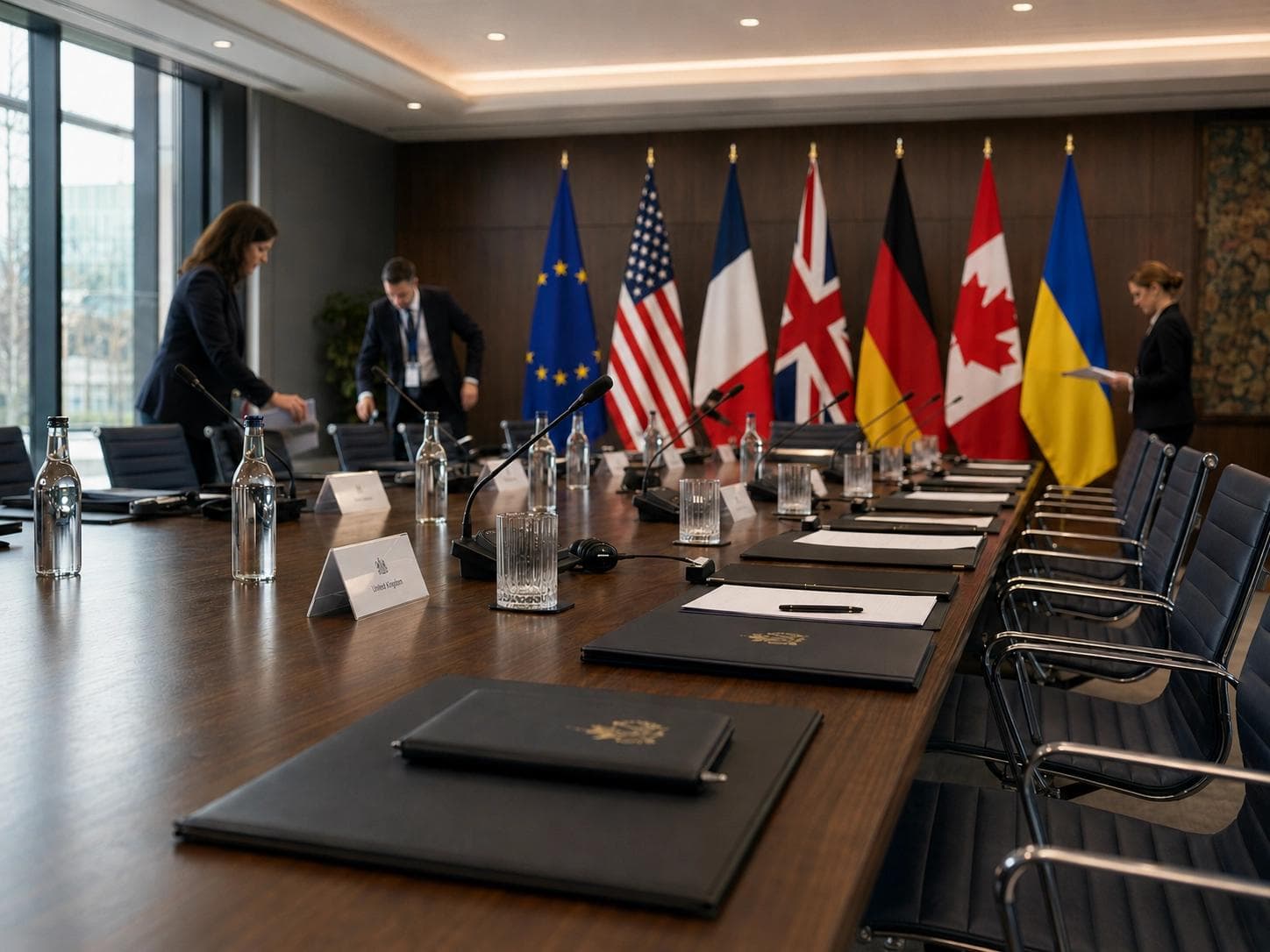
On 29 October 2026, the Ministry for Europe and Foreign Affairs said Australia, Canada, France, Germany, Italy, Japan, the Netherlands, New Zealand, South Korea, the United Kingdom, the United States and the European Union issued a joint declaration on sanctions against North Korea.
The Ministry for Europe and Foreign Affairs said the sanctions approach focused on North Korea’s overseas labour deployment, cyber activity and unlawful cooperation with Russia. The ministry said the measures were intended to restrict channels linked to North Korea’s weapons of mass destruction and ballistic missile programmes.
The statement followed a related 28 October 2026 announcement in which Global Affairs Canada said multiple partners had released a joint statement on Democratic People’s Republic of Korea sanctions. The Canadian announcement showed that allied coordination on DPRK sanctions was already active immediately before the French ministry published the wider declaration.
The Ministry for Europe and Foreign Affairs said the signatories reaffirmed support for the complete, verifiable and irreversible denuclearization of North Korea and called on all UN member states to implement relevant Security Council measures. The declaration mattered because it linked sanctions enforcement to non-proliferation policy, cyber security and Russia-related security concerns across allied governments.