Key Developments
On 10 April 2026, the HM Government announced that Cambridge Aerospace would supply Skyhammer interceptor missiles to the UK Armed Forces and Gulf partners to counter Shahed-style attack drones, with first deliveries expected in May and new UK jobs created.
Key Statistics
- 30 km stated range per Skyhammer interceptor
- 700 km/h stated missile speed
- 50 new UK jobs expected from the program
- 125 existing UK jobs supported by Cambridge Aerospace work
- 2.6 percent of UK GDP allocated to defence spending
- £4 billion UK commitment to autonomous platforms, historical
Main Body
On 10 April 2026, the HM Government said Cambridge Aerospace would supply Skyhammer interceptor missiles to the UK Armed Forces and Gulf partners to counter Shahed-style attack drones. The government stated that first deliveries were expected in May, and that the program would create 50 new jobs and support a further 125 positions in the UK supply chain. The announcement also highlighted wider defence priorities, noting UK defence spending at 2.6 percent of GDP.
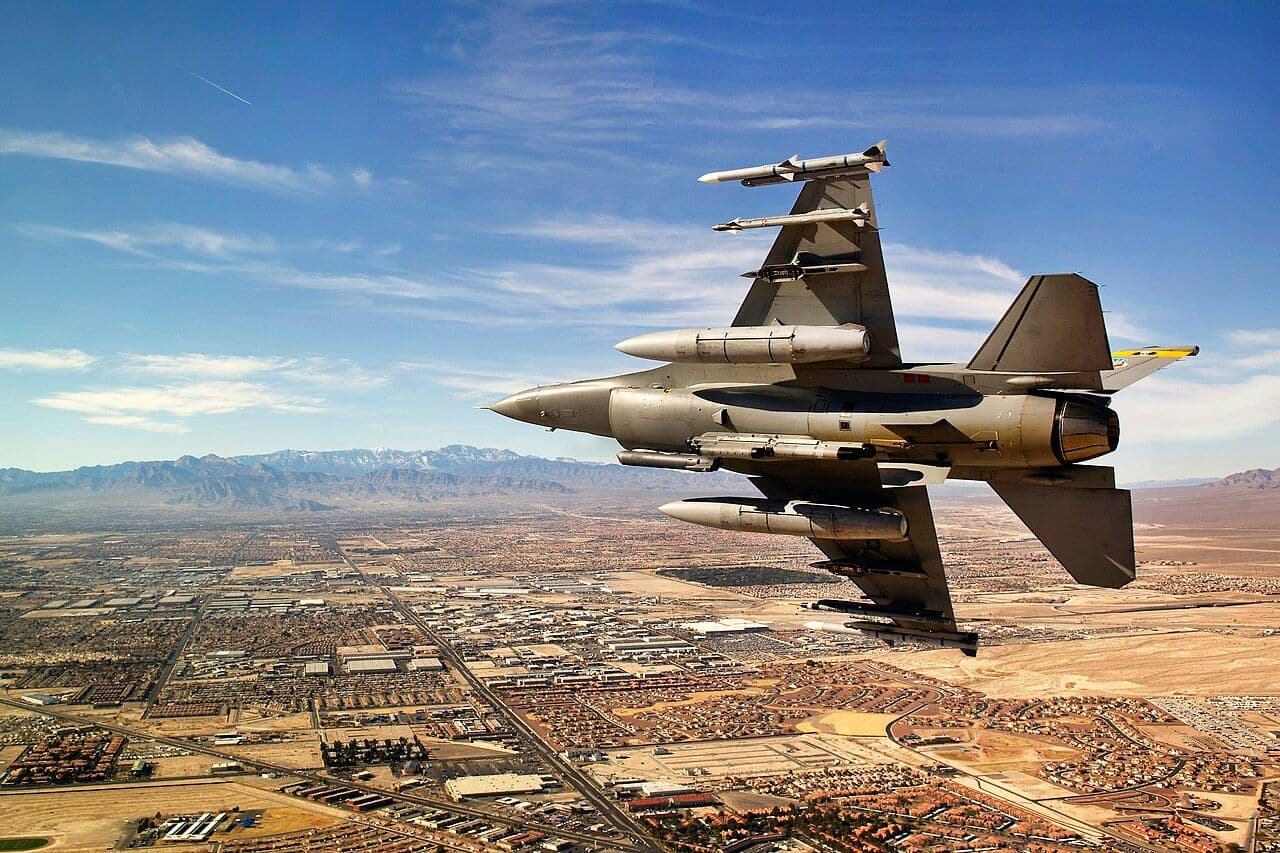
The government described Skyhammer as a short-range interceptor designed to defeat one-way attack drones, and reported performance figures that included a 30 kilometre stated range and a 700 kilometre per hour missile speed, indicating a system tailored for rapid response against low, slow threats. According to the HM Government, the initial fielding was planned for UK units with parallel supply to Gulf partners, positioning the missiles to reinforce air defence coverage against Shahed-style platforms. The government added that first units would arrive from May, aligning industrial output with near-term operational needs and contributing new skilled roles at Cambridge Aerospace.
The move built on recent UK work to expand counter-threat autonomy and sensing. On 2 April 2026, a separate HM Government release said the British Army had successfully trialled AI-powered drones to detect landmines and explosive ordnance, and reiterated a commitment to double investment in autonomous systems to £4 billion. Regional allies also shifted force design toward unmanned and counter-unmanned capabilities. On 2 April 2026, the Rijksoverheid reported the Royal Netherlands Army was creating about 600 drone-specialist positions across combat units. In parallel, European partners tested new defeat mechanisms for small aerial threats: on 10 April 2026, the Bundeswehr said it was trialling laser weapon demonstrators at Meppen against static and moving targets, citing precision and cost advantages for drone defence.
The Skyhammer procurement mattered for operational resilience and coalition interoperability. By arming UK units and Gulf partners with an interceptor optimized for Shahed-style drones, the program aimed to reduce the risk posed by low-cost, expendable systems that can overwhelm traditional air defences, according to the HM Government. The job creation and supply-chain support cited by the government indicated domestic industrial benefits alongside capability delivery. More broadly, allied investments in counter-unmanned systems and autonomy reflected a competitive technology environment. As CSIS noted, China’s high-tech acceleration and emphasis on military-civil fusion underscored the strategic premium on frontier capabilities, reinforcing the rationale for Western governments to fund rapid innovation cycles and deployable solutions.
Taken together, the UK’s Skyhammer fielding, ongoing AI-enabled sensing programs, and allied counter-drone initiatives pointed to a sustained shift in defence planning toward layered, scalable responses to unmanned threats. The HM Government framed the Skyhammer decision as both an immediate operational measure and a contribution to the UK defence industrial base, with initial deliveries scheduled from May and export-aligned production supporting partners in the Gulf.