Key Developments
On 29 October 2026, the European Commission said it had opened a High-Level Dialogue with Europe’s refining sector to address energy security, defence readiness and industrial competitiveness, with discussions covering Middle East conflict pressures, refining capacity, energy costs and alternative fuels.
Key Statistics
- 85% of the EU’s diesel supply came from European refineries, according to the European Commission.
- 70% of the EU’s jet fuel supply came from European refineries, according to the European Commission.
Main Body
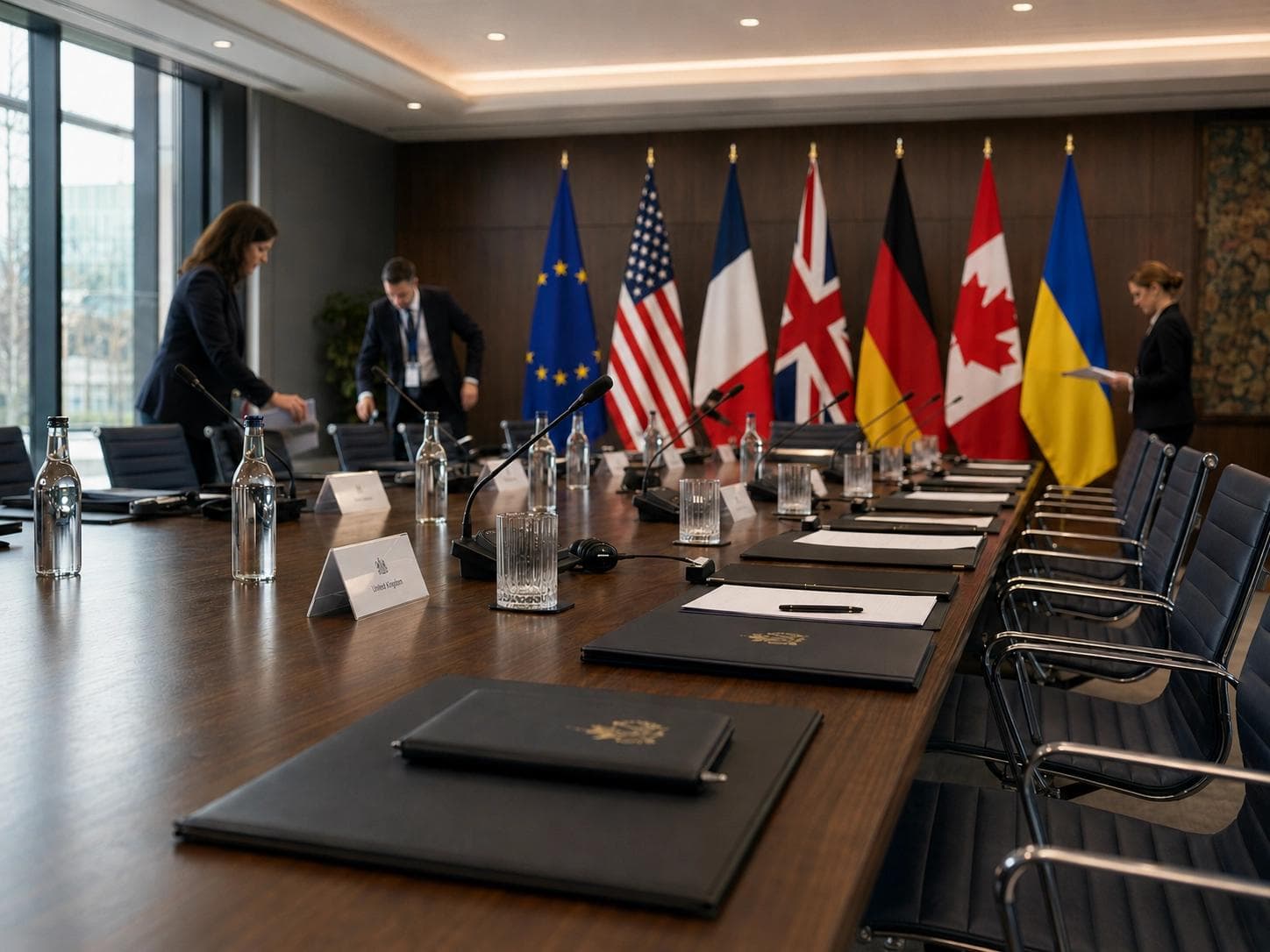
On 29 October 2026, the European Commission announced that it had launched a High-Level Dialogue with the European refining sector. The Commission said the process was intended to strengthen energy security, defence readiness and industrial competitiveness during a period of geopolitical change.
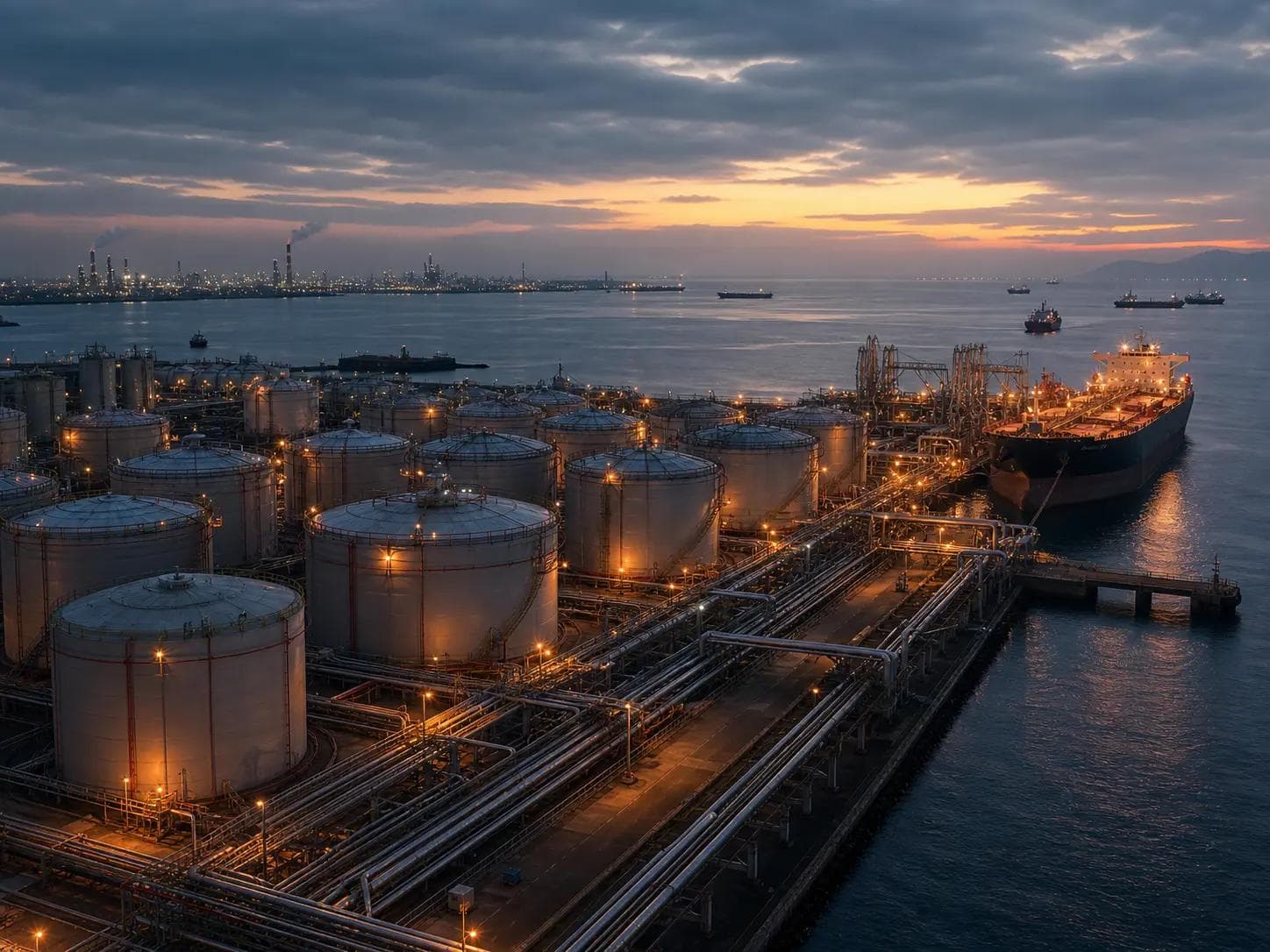
The European Commission said the discussions addressed short-term pressures linked to the Middle East conflict and longer-term questions about refining capacity and sustainability. It said participants examined how to optimise capacity, manage high energy costs and support a transition to alternative fuels while maintaining jobs and competitiveness.
The announcement followed related Commission notices on 27 October 2026 and 28 October 2026 that placed the refining dialogue in the context of Europe’s energy needs, civilian fuel use and defence requirements, according to the European Commission and the European Commission. Those earlier notices said the talks focused on refining capacity, energy costs and sustainable fuels.
The development mattered in practical terms because the European Commission said European refineries supplied 85% of the EU’s diesel and 70% of its jet fuel. The Commission presented the dialogue as a forum for aligning industrial policy, security planning and the energy transition in a sector central to transport, defence logistics and fuel resilience.