Key Developments
On 2 October 2026, HM Government said G7 leaders agreed to release oil reserves and keep energy trade open to address supply pressure and higher prices. The European Commission separately said EU diesel supplies remained stable, although prices were elevated.
Key Statistics
- 100 million barrels of oil were set for coordinated release by G7 countries
- 4 months was the planned duration of the G7 oil release
- 80% was the French government’s historical gas storage target cited in September
Main Body
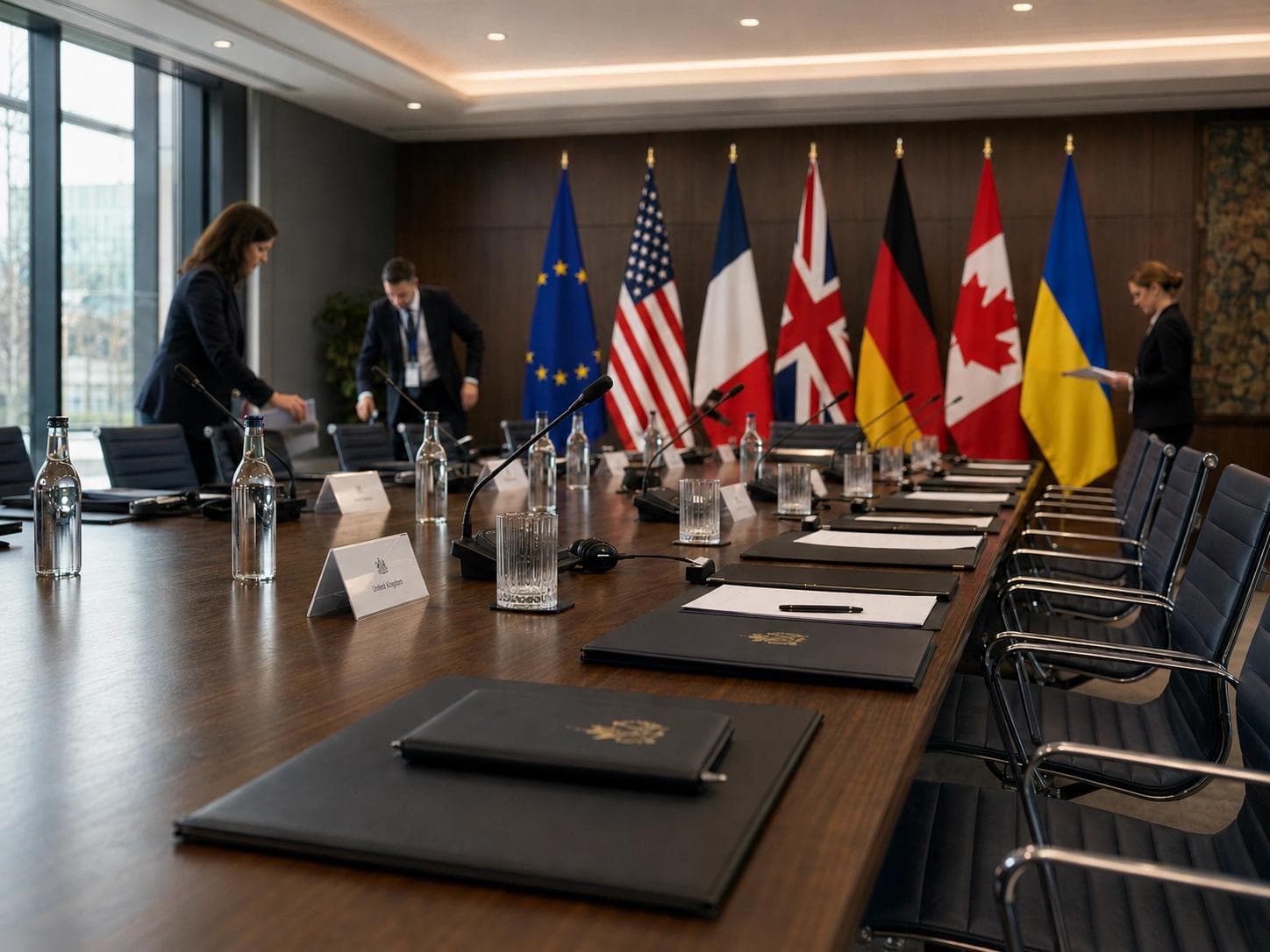
On 2 October 2026, HM Government announced that G7 leaders had agreed a coordinated release of 100 million barrels of oil over four months to support global energy security and market stability. The Prime Minister of Canada also said the leaders met virtually and linked the decision to rising oil prices and pressure on energy markets.
The operational measures included a G7 commitment not to impose export restrictions among members, according to HM Government. The Prime Minister of Canada said leaders also backed higher refinery utilization. In a parallel EU discussion on 2 October 2026, the European Commission said its Energy Union Task Force reviewed diesel supplies and prices, finding supply stable but prices high because of global market conditions.
The decision followed earlier European energy-security work. On 26 September 2026, the Ministry for Europe and Foreign Affairs said French Foreign Minister Jean-Noël Barrot had mobilized ambassadors to assess energy supply conditions and diversification options, including a goal of reaching 80% gas storage. On 22 September 2026, Global Affairs Canada said G7 foreign ministers had identified risks to regional stability, global energy security, and navigation in the Red Sea and Bab al-Mandab.
The measures mattered because they combined reserve management, refinery coordination, and trade discipline at a time of elevated fuel prices. HM Government said leaders also reaffirmed sanctions pressure on Russia and condemned Iranian actions affecting regional stability, tying the energy response to wider diplomatic and security policy.