Key Developments
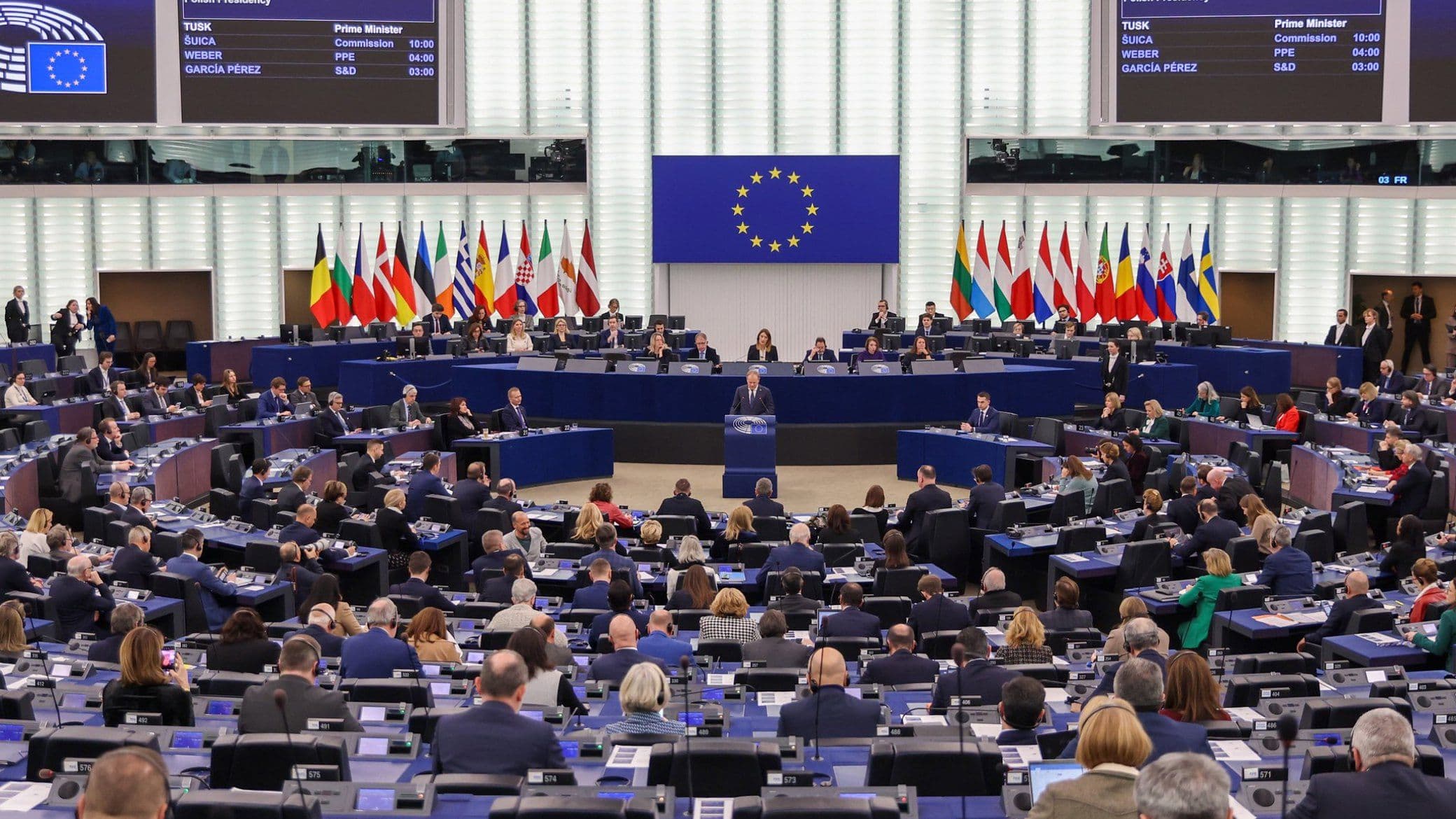
On 13 April 2026, the European Commission reported a €22 billion spike in fossil fuel import costs and launched a raw materials demand platform. The European Parliament flagged sharp shipping cost increases via Suez, Hormuz and Bab el-Mandeb. At the UN Security Council, the UK government backed stronger EU-UN coordination on peace and security.
Key Statistics
- €22 billion increase in EU fossil fuel import costs over 44 days
- 90 billion cubic metres in coordinated EU gas purchases
- 77 billion cubic metres in gas demand-volume matches
- 30% to 50% rise in logistics costs on rerouted shipping
- Up to 2 weeks in cargo delays on key maritime routes
- 12% share of global trade transiting the Suez Canal
- 80% EU gas storage refill target set for November
Main Body
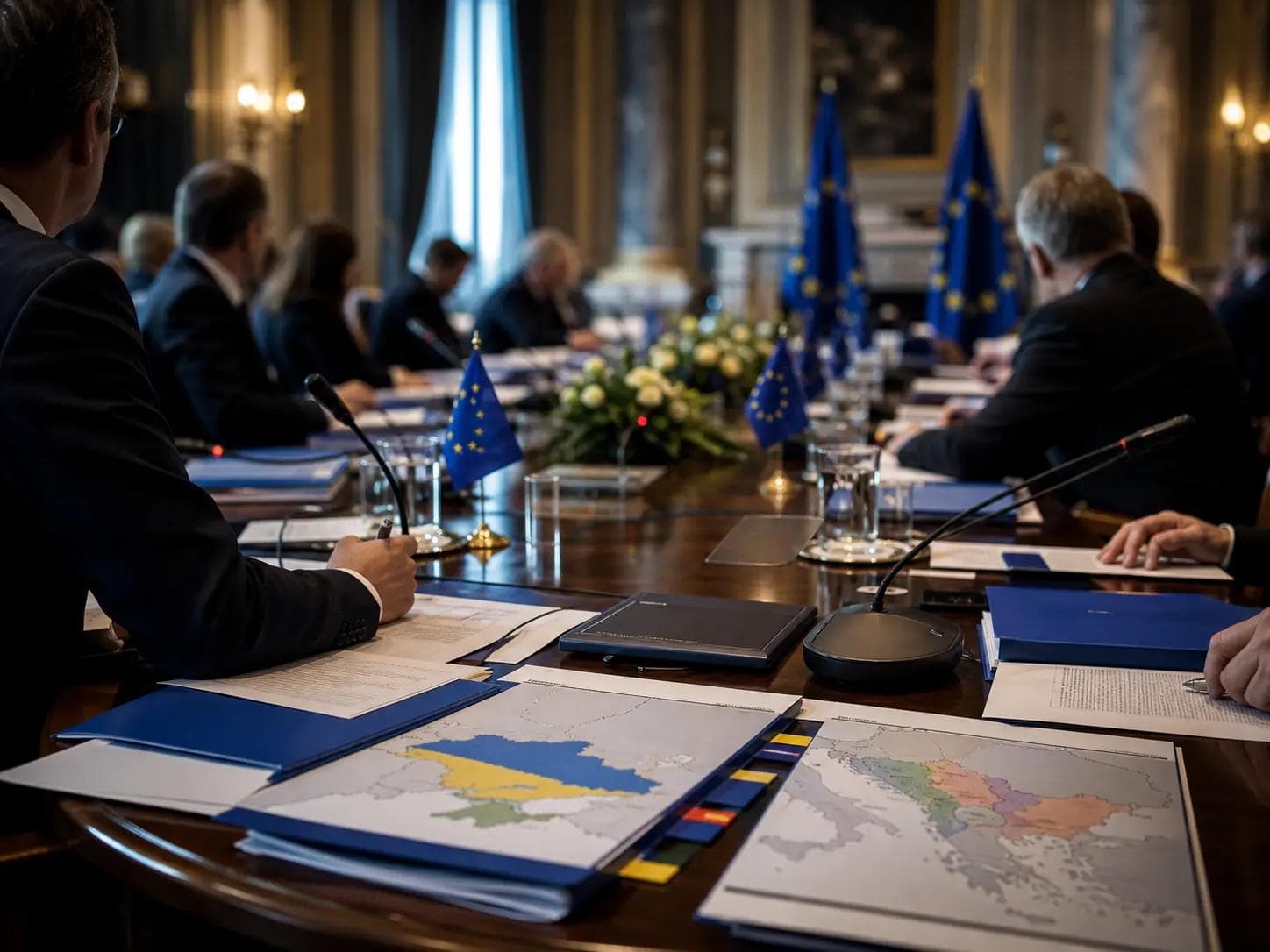
On 13 April 2026, the European Commission said the EU’s fossil fuel import bill had risen by more than €22 billion in the previous 44 days as instability in the Middle East pressured energy markets. The Commission urged unity among member states, outlined measures to curb high prices and improve efficiency, and on the same day launched a new platform to aggregate demand for critical raw materials to diversify supply chains and connect buyers, suppliers and financiers, according to a separate Commission announcement. In New York, the UK used a UN Security Council debate to support tighter coordination between the EU and UN on maintaining international peace and security, citing the EU’s role in stabilizing Ukraine and the Western Balkans, the UK government said on 13 April 2026.
Operational details pointed to both immediate pressures and contingency planning. The European Commission said the EU had coordinated around 90 billion cubic metres of gas purchases and matched about 77 billion cubic metres of demand under joint procurement efforts. A written question tabled the same day in the European Parliament warned that rerouting around the Suez Canal and Bab el-Mandeb had lifted logistics costs by 30 to 50 percent and caused up to two-week delays, with potential inflation effects, and noted that roughly 12 percent of global trade transits Suez. Preparations for the coming months continued, as the Gas Coordination Group said on 9 April 2026 that EU storage was expected to refill to at least 80 percent by November, subject to LNG flows, while the Energy Union Task Force on 10 April 2026 called for enhanced coordination and information sharing across member states.
The latest moves fitted into ongoing diplomatic and security efforts. On 2 April 2026, the UK government told the UN Security Council it would continue to champion cooperation between the UN and the League of Arab States, highlighting regional tensions linked to Iran and the Strait of Hormuz. In parallel, on 10 April 2026 a European Parliament written question asked about direct EU diplomacy with Iran to protect critical raw material supplies, noting that more than 10 percent of the EU’s strategic imports rely on transit through Hormuz. Separately on 13 April 2026, another European Parliament question sought a strategic review of the Eastern Partnership following candidate status for Ukraine and Moldova and the suspension of Georgia’s accession process.
The broader significance lay in combined energy, trade and security risks that could intensify cost pressures and test supply resilience. The Commission’s new raw materials platform, as presented by the European Commission, aimed to reduce single-route and single-supplier exposure, particularly for smaller firms. Shipping delays around Suez and Bab el-Mandeb, flagged by the European Parliament, risked feeding inflation and straining supply chains. The policy push took place amid wider concerns, including UNDP analysis that further escalation could drive more than 30 million people into poverty worldwide. The focus on maritime security also tracked with Ground News reporting that France and the UK planned to co-host a conference on a Hormuz navigation mission, while food security featured in Ground News reporting on calls for joint BRICS food reserves.