Key Developments
The US convened the Shield of the Americas Summit focusing on security and economic cooperation in the Western Hemisphere. The UK announced emergency humanitarian funding for Lebanon amid escalating conflict and reinforced support for Gulf allies facing Iranian aggression. The US-Argentina nuclear cooperation meeting reaffirmed commitments to nonproliferation ahead of a new agreement.
Key Statistics
- Over 3,000,000 deportations conducted by US Homeland Security last year
- £5,000,000 emergency funding allocated by UK for Lebanon humanitarian aid
- More than 50,000 US service members engaged in Operation Epic Fury since Feb. 28, 2026
- About 6,000 Iranian targets struck by US CENTCOM forces during Operation Epic Fury
- Over 60 ships damaged or destroyed in recent strikes against Iranian assets
- Six narco-terrorists eliminated by Joint Task Force Southern Spear on March 8, 2026
- Over 63,000 British citizens returned from Gulf region amid regional tensions
Main Body
In March 2026, key developments underscored intensified efforts by the United States and United Kingdom to address multifaceted security challenges spanning the Middle East and the Western Hemisphere. Secretary of State Marco Rubio and Secretary of Homeland Security Kristi Noem led discussions at the Shield of the Americas Summit in Miami to enhance security collaboration against cartel threats and bolster cybersecurity among Western Hemisphere nations. Concurrently, the UK government announced over £5 million in emergency funding to support humanitarian operations in Lebanon amid escalating conflict that has severely impacted civilians.
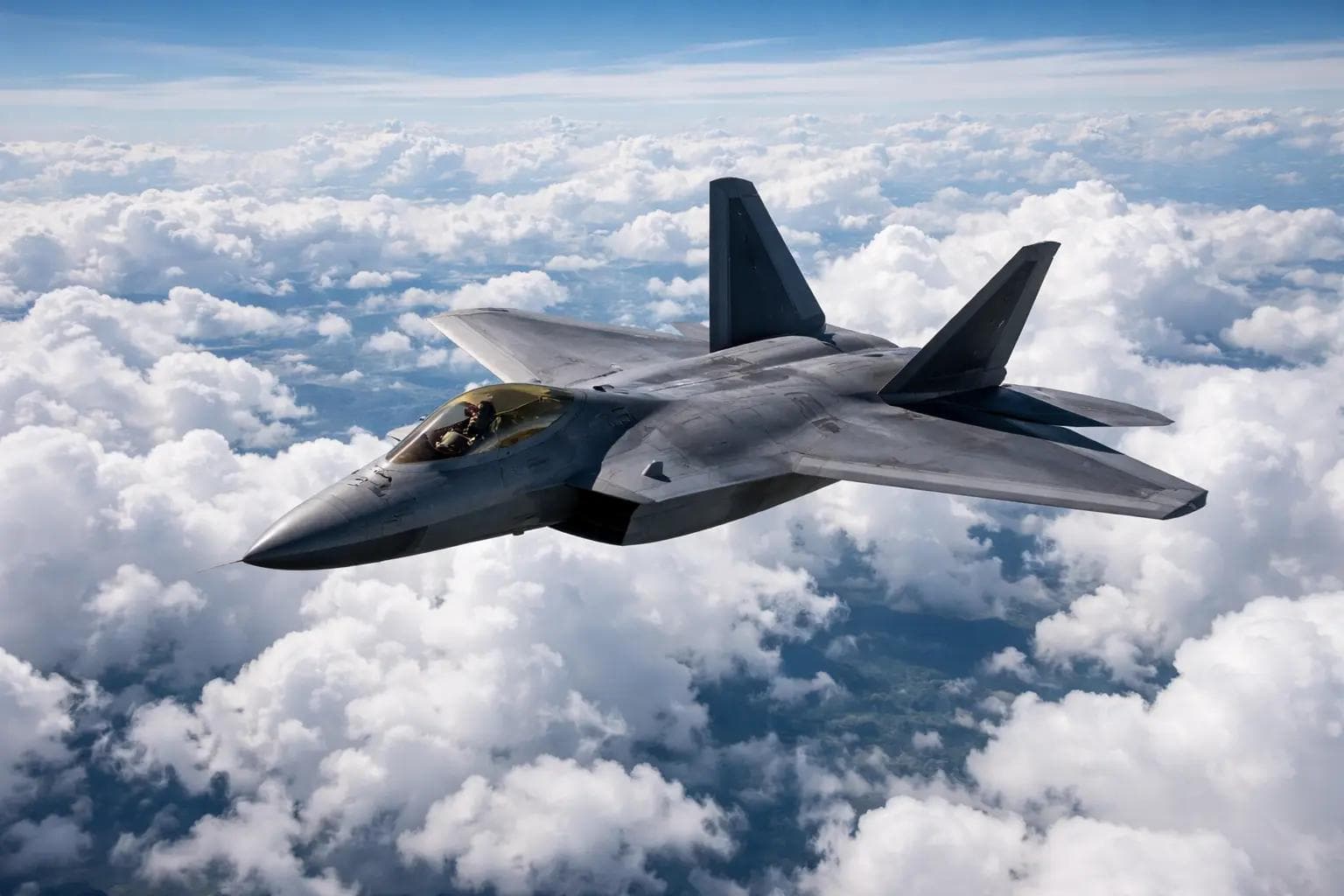
Operationally, these initiatives coincided with ongoing military actions such as Operation Epic Fury conducted by more than 50,000 US service members since late February. This operation established control over air and sea domains while striking approximately 6,000 identified Iranian targets resulting in damage or destruction to over 60 ships and multiple minelayers. Additionally, Joint Task Force Southern Spear executed a lethal strike eliminating six narco-terrorists on March 8. On the diplomatic front, Deputy Secretary Christopher Landau led a US delegation to Chile’s presidential inauguration aiming to reset bilateral relations with emphasis on security partnerships and supply chain resilience.
These current actions build upon established government policies emphasizing nonproliferation and regional stability. The recent U.S.-Argentina Joint Standing Committee meeting reaffirmed commitments to civil nuclear cooperation under international frameworks including the Treaty on the Non-Proliferation of Nuclear Weapons (NPT), with plans to finalize a new cooperation agreement before expiration of the existing one in 2027. The UK’s statements at the UN Security Council reiterated condemnation of Iran’s missile attacks while supporting Lebanese sovereignty through diplomatic engagement and humanitarian assistance.
The broader significance lies in reinforcing alliances critical for regional stability amid heightened Iranian aggression impacting both Middle Eastern countries and transatlantic partners. The UK's deployment of air defense personnel alongside naval assets demonstrates commitment to protecting British interests while facilitating safe repatriation of over 63,000 citizens from volatile areas. Meanwhile, coordinated efforts within the Western Hemisphere aim to disrupt illicit networks undermining economic progress through enhanced law enforcement collaboration.
Together these measures reflect an integrated approach combining military readiness, diplomatic engagement, humanitarian support, and multilateral cooperation designed to mitigate threats from state-sponsored aggression and transnational criminal organizations across multiple regions.