Introduction
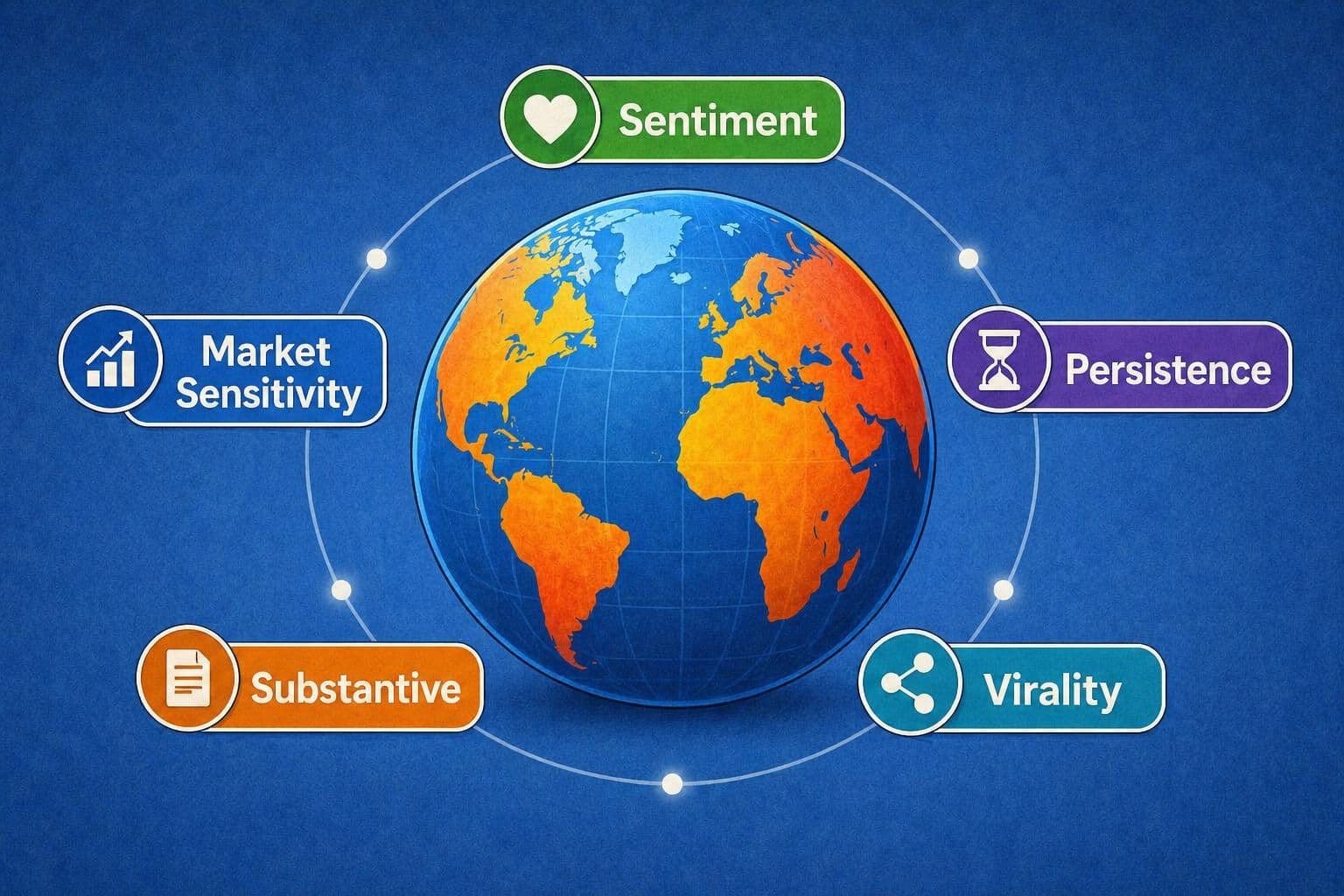
Geopolitics is no longer a niche subject confined to academic discussions; it has become a critical lens through which we understand world events, economic trends, and even our daily lives. From wars to tariffs, sanctions to energy prices, and supply chains to technological competition, geopolitics shapes headlines and influences markets. This article aims to demystify geopolitics, explain its current relevance, and provide pathways for those interested in entering this dynamic field.
What Is Geopolitics?
Geopolitics can be simply defined as the study of how geography and economics influence politics and relations between nations. This definition, provided by the Britannica Dictionary, serves as a foundational understanding for beginners. However, the term encompasses much more than just geographical considerations.
Academically, geopolitics is viewed as the analysis of the geographic influences on power relationships in international relations. The term was originally coined by Swedish political scientist Rudolf Kjellén, and today it is often used interchangeably with international politics. This broader perspective reveals that geopolitics is not merely about news concerning countries but rather a framework for analyzing power, geography, and strategy together.
In practical terms, geopolitics explains the underlying logic behind various global phenomena, including trade wars, sanctions, energy shocks, military tensions, and supply-chain disruptions. For instance, the ongoing U.S.-China rivalry exemplifies how geopolitical considerations can shape global trade dynamics and influence economic policies.
Why Does It Matter Now?
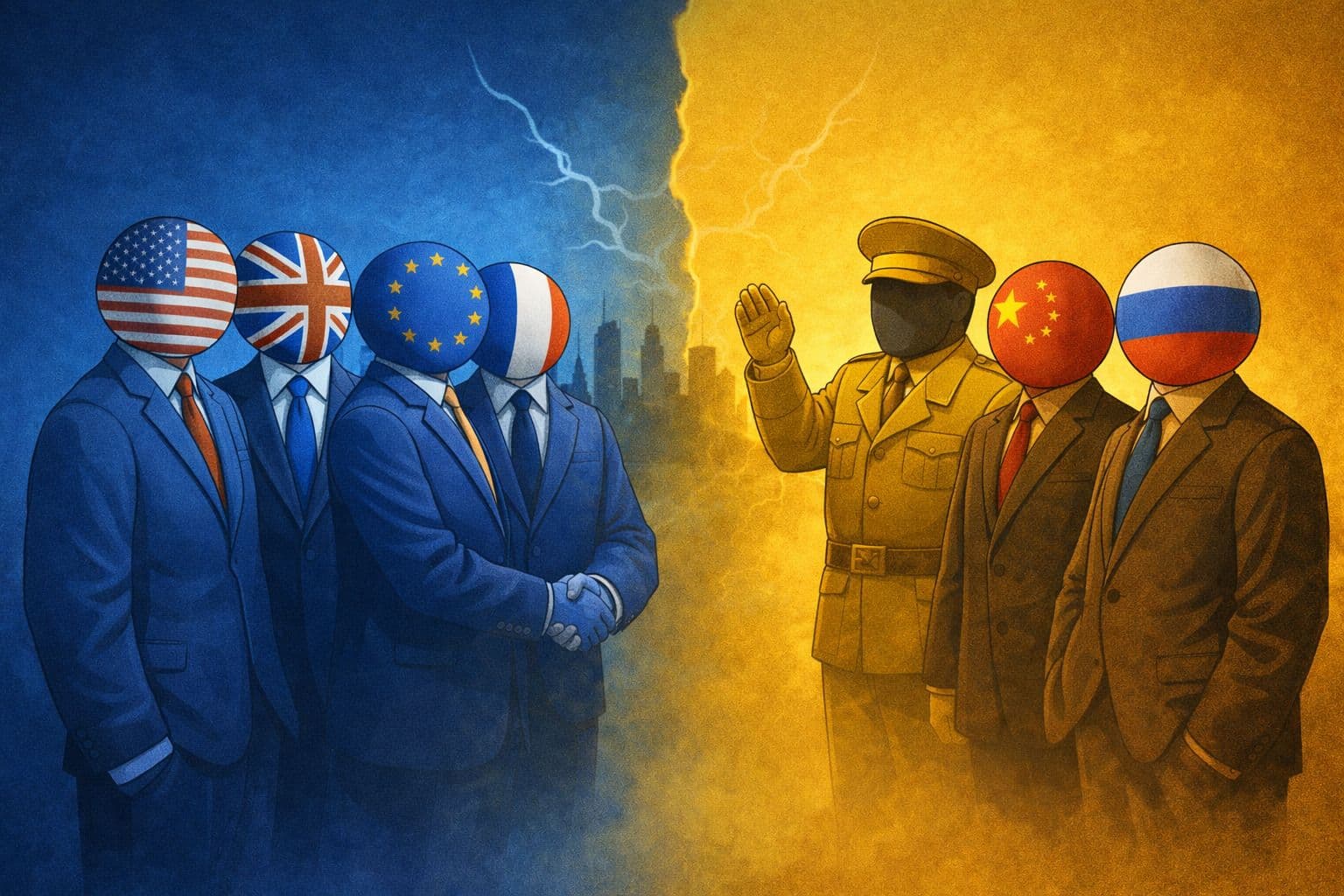
The significance of geopolitics has intensified in recent years, particularly due to rising geopolitical tensions and fragmentation in the global landscape. According to a recent IMF Blog, concerns about global economic and financial fragmentation have escalated, driven by strained U.S.-China relations and Russia's invasion of Ukraine. This fragmentation affects cross-border investment, international payment systems, and asset prices, leading to increased funding costs, reduced lending, and disrupted supply chains.
The World Economic Forum's Global Risks Report 2026 highlights that the multilateral system is under pressure, with declining trust and rising protectionism. Geoeconomic confrontation is identified as a top risk likely to trigger a material global crisis, alongside state-based armed conflict. This illustrates that geopolitical rivalry is not just a theoretical concern; it has real implications for global stability and economic health.
Furthermore, today's geopolitical environment is shaped by geopolitical shocks, rapid technological change, climate instability, and economic uncertainty. These factors interact in complex ways, affecting everything from inflation to energy prices and job security. For example, the energy disruptions resulting from geopolitical tensions can lead to significant fluctuations in commodity markets, impacting everyday consumers.
How Can Someone Get Into It?
For those interested in pursuing a career in geopolitics, there are multiple pathways to consider:
Beginner Route
A casual approach to learning about geopolitics can begin with reading quality international news sources, following maps, and studying history and economics. Engaging with current events and understanding their geopolitical context can provide a solid foundation.
Academic Route
For a more structured approach, pursuing a degree in international relations, political science, economics, or security studies is advisable. There are plenty of universities around the world for this that provide high quality education.
Career Route
Professionally, there are numerous opportunities in think tanks, journalism, policy analysis, finance, consulting, and government roles. The Council on Foreign Relations emphasizes the importance of professional development in this field, offering resources for language instruction and tuition reimbursement. Careers in geopolitics can lead to impactful roles in NGOs, the UN, NATO, and various consultancy firms.
Conclusion
In conclusion, geopolitics serves as a vital framework for understanding how the world operates. It encompasses a wide range of issues, from military conflicts to economic policies, and it is increasingly relevant in today's fragmented global landscape. For those looking to delve into this field, starting with current events, pursuing formal education, and exploring career opportunities can provide a pathway into the dynamic world of geopolitics.
How to Start This Week
- Read a reputable international news source daily.
- Follow a map and learn about current geopolitical events.
- Explore online courses in international relations or related fields.
- Attend local lectures or webinars on global issues.