Geopolitics for Investors: Why Global Power Politics Moves Markets
Investors often describe geopolitics as “headline noise” — dramatic, unpredictable, and difficult to trade. That view is understandable, but incomplete. In practice, geopolitics is not a side story to markets. It is one of the deepest forces shaping oil prices, commodity cycles, inflation, corporate earnings, capital flows, and risk sentiment.
When trade routes are disrupted, tariffs are imposed, sanctions tighten, or military tensions rise, markets do not simply react to the news itself. They react to what that news implies: higher input costs, weaker growth, tighter financial conditions, lower margins, and a different path for policy. That is why geopolitics matters. It changes the operating environment in which companies earn money and in which investors price risk.
From an investor’s perspective, geopolitics is best understood as the link between global power politics and market outcomes. It is the study of how wars, alliances, trade conflicts, sanctions, resource competition, and strategic rivalry change prices, valuations, and portfolio risk.
What Geopolitics Means for Investors
In simple terms, geopolitics is the way power struggles between countries affect markets, trade, and capital. For investors, that means understanding how political decisions and international tensions feed into earnings, inflation, and asset prices.
This is not just a theoretical point. BlackRock’s Investment Institute explicitly frames geopolitical risk as a portfolio issue, stating that geopolitical risks are rising and can have meaningful effects on the global economy, financial markets, and investment portfolios. It also notes that these effects are hard to quantify, which is precisely why investors need a framework for monitoring them rather than dismissing them as random noise.
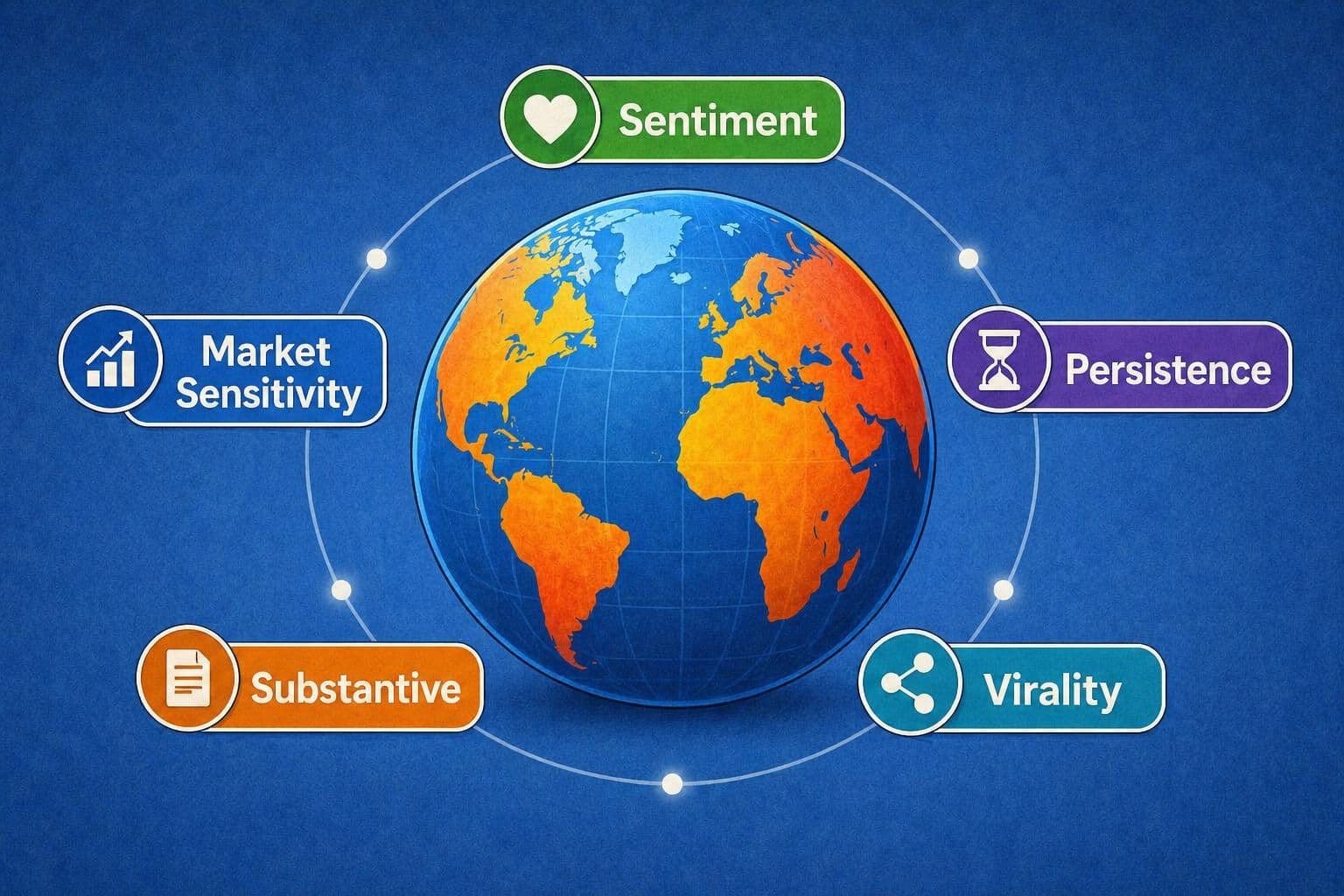
That framing matters because it shifts the question from “Will this geopolitical event make headlines?” to “Through what transmission channels will this event affect markets?” Sometimes the answer is immediate, such as an oil shock. Other times it is indirect: a tariff raises costs, which compresses margins, which lowers earnings expectations, which then affects equity valuations.
BlackRock also describes today’s geopolitical backdrop as a broad reordering of political and economic relationships, marked by trade protectionism, more active government intervention, rising competition, regional conflicts, and an intensifying race in advanced technologies. For investors, that means geopolitics is not episodic. It is structural. It influences which sectors win, which supply chains survive, and which risks deserve a higher premium. See BlackRock’s geopolitical risk framework and its Geopolitical Risk Dashboard.
Why It Matters More Now
The old assumption of a relatively smooth, rules-based globalization is weaker than it used to be. Investors now operate in an environment defined by fragmentation, strategic competition, and more visible state intervention.
The World Economic Forum’s Global Risks Report 2026 describes a “new competitive order” in which alliances are being reshaped, markets are being tested, and protectionism, strategic industrial policy, and government influence over critical supply chains are making the world more intensely competitive. It also reports that 68% of respondents expect the next decade to look like a multipolar or fragmented order where middle and great powers increasingly contest regional rules and norms.
That matters because it means politics is moving closer to the center of economic and market pricing. The same WEF report identifies geoeconomic confrontation as the top risk most likely to trigger a material global crisis in 2026, followed by state-based armed conflict. In other words, the world’s risk outlook is no longer dominated by purely financial imbalances; it is increasingly shaped by rivalry between states.
The IMF’s World Economic Outlook from April 2025 makes the same point from a macroeconomic angle. It says global growth is expected to weaken, with downside risks intensifying amid escalating trade tensions and financial market adjustments. It warns that sharply changing policy positions and worsening sentiment could tighten global financial conditions further, while a deepening trade war and policy uncertainty could damage both short- and long-term growth.
For investors, this is the crucial takeaway: geopolitics now matters more because it increasingly determines the macro backdrop itself. It influences growth, inflation, rates, and confidence — the very variables that shape asset allocation.
Oil Price Shocks Are Often Geopolitical Before They Are Economic
Oil is one of the clearest examples of why geopolitical thinking is indispensable for investors.
Markets do not wait for a physical supply disruption to price oil higher. They begin repricing as soon as the probability of disruption rises. That is what makes oil uniquely sensitive to conflict, sanctions, regional instability, and shipping risk.
Reuters reported on February 27, 2026, that analysts raised their oil price forecasts because of ongoing geopolitical tensions. In that survey, Brent crude was projected to average $63.85 per barrel in 2026, while WTI was projected at $60.38. Reuters also noted that analysts estimated a geopolitical risk premium of roughly $4 to $10 per barrel, linked in part to concerns that a potential U.S.-Iran conflict could affect supplies.
That is the investor lesson in one sentence: even the risk of geopolitical disruption can move prices materially before any barrels are actually lost.
And oil shocks do not stay confined to energy stocks. The IMF’s 2025 working paper, The Energy Origins of the Global Inflation Surge, notes that oil price shocks function like negative supply shocks. That means higher energy prices can lift transportation and production costs across the economy, squeeze consumer purchasing power, pressure margins, and complicate central bank decisions.
This is why a geopolitical oil move can affect far more than energy. It can weigh on industrials, airlines, consumer-facing firms, and rate-sensitive assets — while simultaneously shifting inflation expectations and bond market pricing.
Commodity Markets Also Price War, Fragmentation, and Fear
Oil gets the most attention, but the same logic extends to commodity markets more broadly.
The World Bank’s commodity markets research hub notes that global commodity markets are being reshaped in lasting ways by COVID-19, the war in Ukraine, and climate change, with potentially profound consequences for developing economies over time. That framing is important because it shows commodity volatility is no longer just about cyclical supply and demand. It is increasingly tied to structural shocks, geopolitical fragmentation, and policy shifts.
From an investor’s perspective, this matters in several ways.
First, wars and sanctions can disrupt trade flows and production. Second, export controls and protectionist measures can tighten availability in metals, agriculture, and energy. Third, periods of geopolitical stress often trigger safe-haven demand, pushing investors toward stores of value and defensive exposures.
That means commodity prices often reflect not just physical scarcity, but political risk, logistics risk, and fear itself. A commodity rally may therefore be telling you less about immediate end demand and more about the market’s expectation of future instability.
How Trade Politics Hits Company Earnings
If oil is the cleanest example of geopolitics affecting prices, tariffs are the clearest example of geopolitics affecting earnings.
Trade policy changes can hit companies through multiple channels at once: higher import costs, higher input prices, supply-chain restructuring, pricing pressure, lower demand, delayed capex, and weaker guidance. The effect is rarely isolated. It flows through the entire income statement and often into management’s forward outlook.
Reuters’ tariff tracker makes that painfully concrete. As of February 17, it said 369 companies worldwide had reacted in some way to the tariff threat it was tracking. Reuters also reported that through the end of May, hundreds of firms said tariffs would hurt earnings, putting the global hit to profits at more than $34 billion. During second-quarter earnings season, companies reported a combined hit of $16.2 billion to $17.9 billion for the full year, plus nearly $15 billion for 2026. Toyota alone estimated the impact at nearly $10 billion for the fiscal year ending March 2026.
This is why geopolitics belongs in earnings analysis. A tariff announcement is not merely a political event. It is a potential margin event, capex event, guidance event, and valuation event.
For equity investors, the key is to think in second-order effects. Which companies can pass costs on? Which industries are most exposed to imported components? Which firms have the balance sheet and operational flexibility to reroute supply chains, and which do not?
How Investors Should Use Geopolitical Thinking
The point of geopolitical analysis is not to predict every conflict or political decision perfectly. That is unrealistic. The real advantage comes from understanding transmission channels.
A disciplined geopolitical investor asks:
- Could this event create a supply shock?
- Will it raise inflation pressure?
- Does it threaten margins or earnings guidance?
- Which sectors benefit, and which sectors absorb the cost?
- Will it push capital into safe havens?
- Could it change the policy path for central banks or governments?
This mindset is more useful than reacting emotionally to headlines. It turns geopolitics from a source of noise into a framework for scenario analysis.
In practical terms, that means following trade policy, sanctions, shipping chokepoints, energy markets, election outcomes, and shifts in alliance structures — not because every event is immediately tradable, but because together they shape the regime in which markets operate.
Conclusion
Geopolitics is not separate from investing. It is one of the fundamental forces that moves the variables investors care about most: oil, commodities, inflation, trade, earnings, and risk.
When investors ignore geopolitics, they often misread the forces driving price action. They treat market moves as isolated when they are actually connected. But when they understand how political power, conflict, trade, and strategic rivalry flow into real economic outcomes, they gain a sharper framework for interpreting markets.
The most useful shift is simple: stop seeing geopolitics as background drama and start seeing it as a core macro driver. Because in today’s market environment, it is.
How to Start Thinking Like a Geopolitical Investor
- Track major geopolitical risks as potential market transmission channels, not just headlines.
- Watch oil, shipping, and commodity markets for early signs of stress pricing.
- Read earnings guidance for mentions of tariffs, supply chains, and input costs.
- Pay attention to whether a shock is temporary sentiment or a structural policy shift.
- Focus on scenario analysis: what changes if tensions escalate, persist, or fade?