Key Developments
On 7 April 2026, the UK said a UN Security Council resolution on the Strait of Hormuz failed, citing Iran’s restrictions on shipping and a drop to 9 transits in 24 hours, and pledged intensified diplomacy to reopen the route, according to HM Government. The move came amid AP News reporting that the Council had considered a diluted text on safe passage.
Key Statistics
- 150 average daily vessel transits through the Strait in normal conditions, according to HM Government
- 9 vessels passed in the last 24 hours, per HM Government
- 45,000,000 additional people potentially pushed into extreme hunger if disruption persists, the UK said via HM Government
- Over 40 countries joined a UK-led meeting to address the closure, historical baseline, according to HM Government
Main Body
On 7 April 2026, the UK delivered an explanation of vote at the UN Security Council after a resolution on maritime access through the Strait of Hormuz did not pass, calling the outcome deeply regrettable, according to HM Government. The UK said Iran’s actions had restricted maritime transit, reducing ship movements to 9 in the previous 24 hours from a normal 150 per day, and warned that prolonged disruption could push up to 45 million more people into extreme hunger, the government statement noted. The UK added that it would continue diplomatic efforts to reopen the strait and uphold international law. The development came amid AP News reporting that the Council had considered a diluted text on safe passage.
Outlining its position, the UK emphasized the need to secure freedom of navigation and deter actions that endanger global shipping, according to HM Government. The government linked the collapse from roughly 150 average daily transits to just 9 in a 24 hour period with knock-on risks for energy and food markets, and flagged the possibility that tens of millions more people could face extreme hunger if maritime flows are not restored, the government statement said. The UK stated that its immediate priority remained coordinated diplomacy to reopen the route and reinforce adherence to international maritime law, as set out by HM Government.
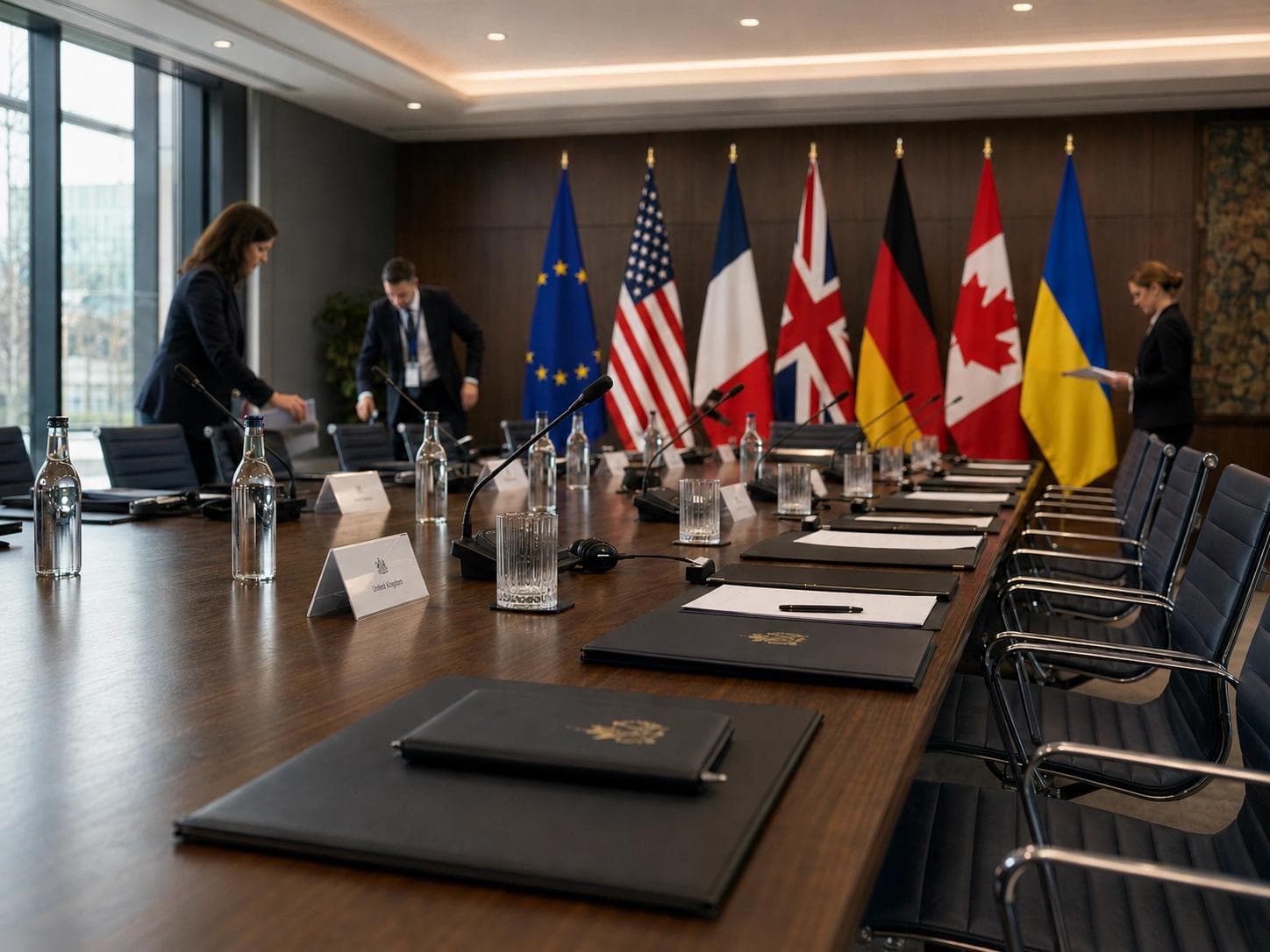
The statement followed earlier multilateral engagement. On 2 April 2026, the UK Foreign Secretary led a meeting with over 40 countries to address what the UK described as the closure of the Strait of Hormuz by Iran, which posed a significant threat to global trade and energy supplies, according to a chair’s statement. Participants discussed potential diplomatic and economic measures to pressure Iran to reopen the passage and reaffirmed their determination to secure freedom of navigation, the HM Government readout said. Related European concerns had been registered in Parliament. On 26 March 2026, Members of the European Parliament asked the Commission about possible fertiliser shortages stemming from Strait of Hormuz disruptions and contingency planning, as recorded by the European Parliament. On 30 March 2026, MEPs also queried the Commission on the Middle East crisis’ impact on EU farmers, input costs and food supply chains, the European Parliament noted.
The UK’s stance highlighted the strategic stakes associated with restricted transit through the Strait of Hormuz. The UK characterized the situation as a significant threat to global trade and energy supplies, underscoring wider security and economic risks if restrictions persist, the HM Government said. European parliamentary interventions pointed to vulnerabilities in fertiliser supply and farm input costs that could intensify if maritime flows remain curtailed, as reflected in questions from the European Parliament and the European Parliament. The failed Security Council action, paired with ongoing diplomacy, framed the immediate policy challenge as restoring safe passage while limiting humanitarian and economic harm, the HM Government indicated, amid AP News reporting on the Council’s consideration of a diluted text.