Key Developments
On 27 October 2026, the European Commission announced that it would host an implementation dialogue on the Trans-Caspian Transport Corridor, bringing EU officials, financial institutions and private sector representatives together to discuss investment and connectivity.
Key Statistics
- Historical context: 8% proposed cut to the EU budget package flagged by the European Parliament
- Historical context: 12.8% proposed cut to competitiveness funding flagged by the European Parliament
- Historical context: 17.4% proposed cut to external action funding flagged by the European Parliament
Main Body
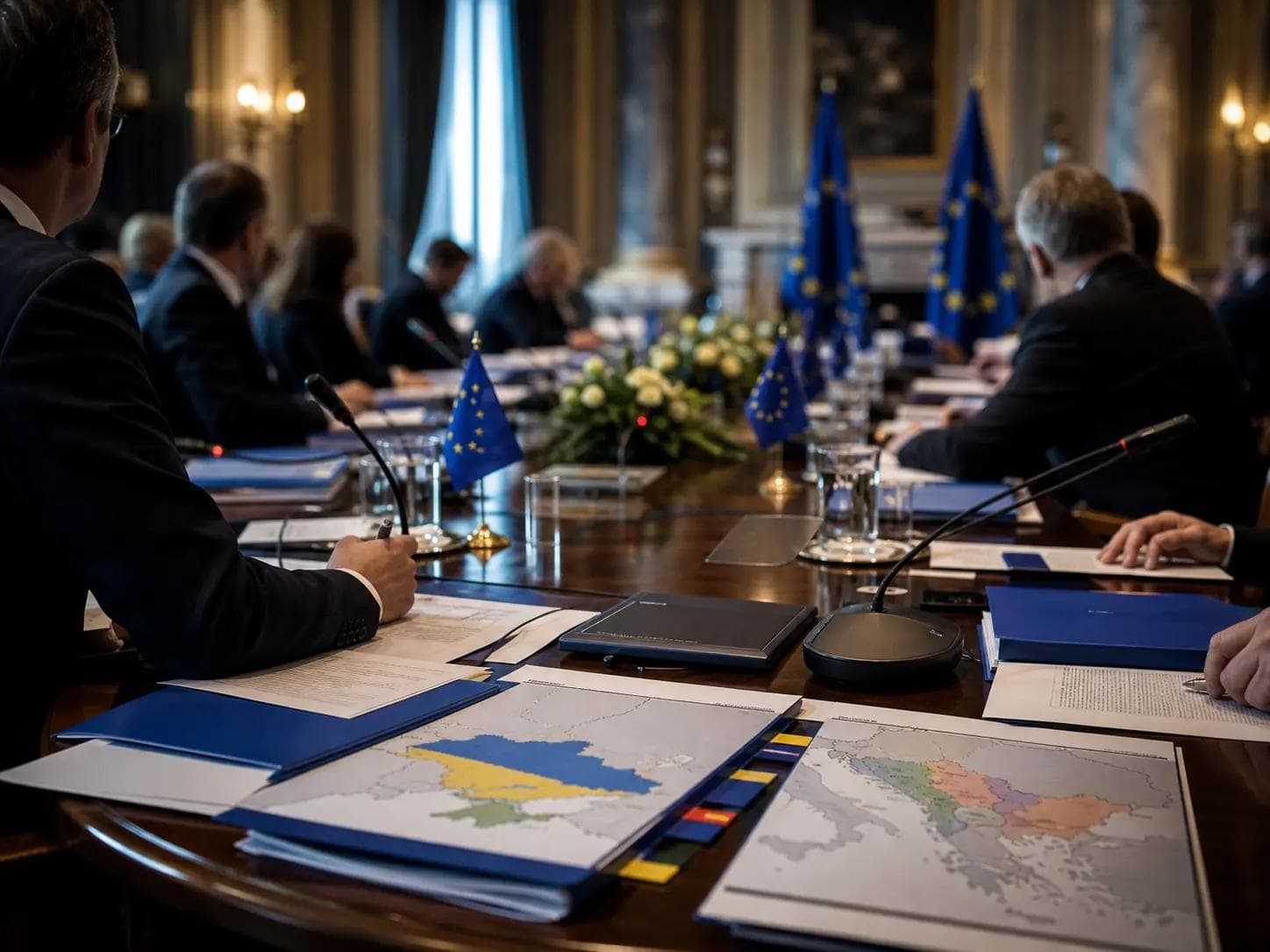
On 27 October 2026, the European Commission announced that it would host a Joint Implementation Dialogue focused on improving the competitiveness of the Trans-Caspian Transport Corridor. The Commission said the meeting would bring together private sector representatives, international financial institutions and EU officials to discuss how to strengthen transport links across the corridor.
The European Commission said the dialogue would address strategic investment and cooperation opportunities linked to regional connectivity. In practical terms, the meeting was designed to align public policy, private capital and development finance around transport infrastructure priorities.
The announcement followed wider EU discussions on competitiveness and external policy financing. On 15 October 2026, the European Parliament said EU leaders were preparing to examine the long-term EU budget, competitiveness, Ukraine, defence, migration and enlargement. The Finnish Government also said Prime Minister Petteri Orpo would press for changes to the proposed long-term budget during those talks.
The corridor initiative mattered because transport connectivity is part of the EU’s broader effort to link economic competitiveness with external partnerships. By convening investors, lenders and EU policymakers, the European Commission sought to make the route more commercially viable and to support regional links that could affect trade, logistics and EU engagement beyond its borders.