Key Developments
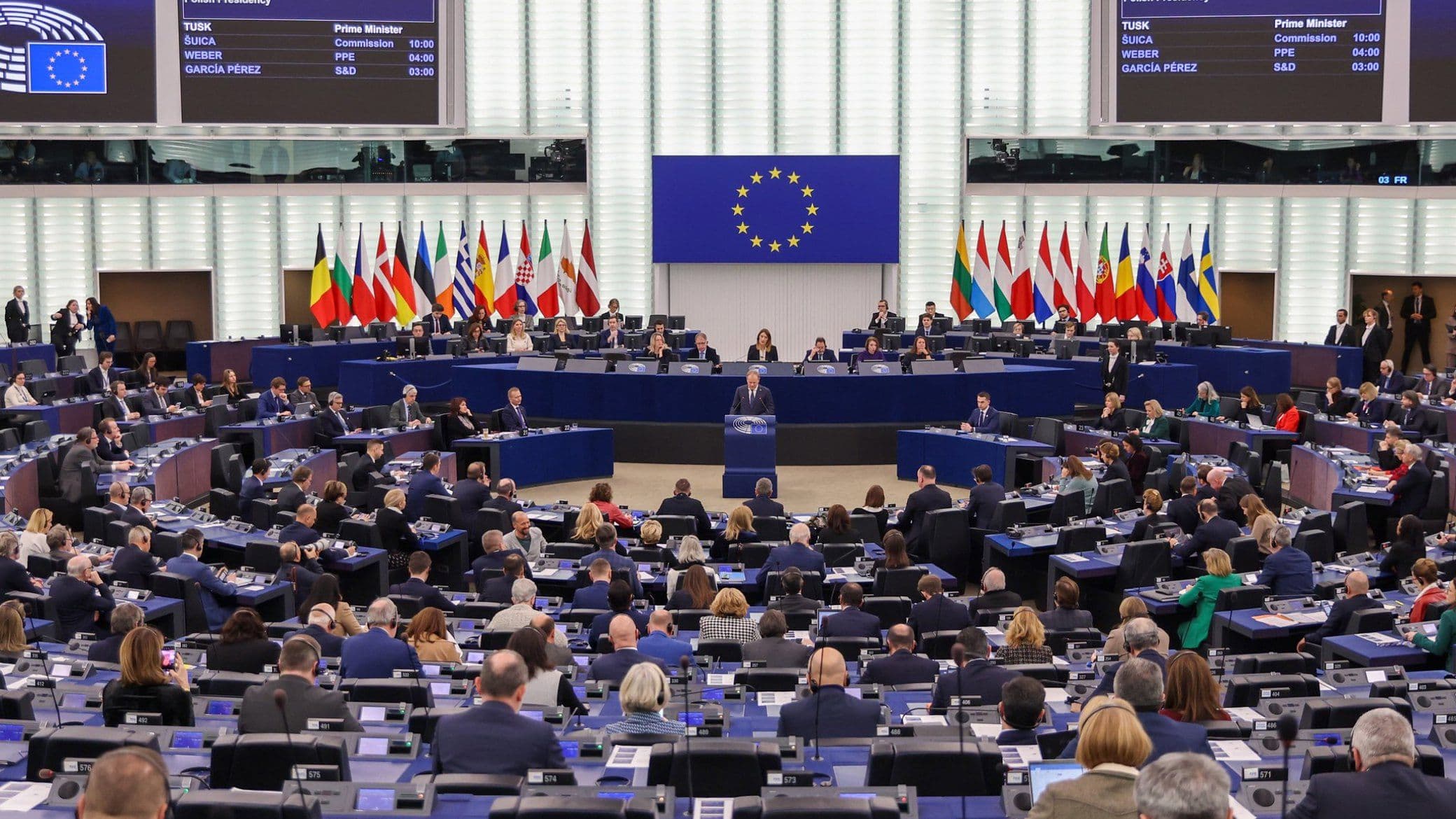
On 20 April 2026, the European Commission proposed fully resuming the EU-Syria Cooperation Agreement, including about €620 million for humanitarian aid and recovery. The step drew on ongoing parliamentary scrutiny of Syria funding and came alongside the EU’s same-day engagement on the Middle East peace track, according to the European Parliament and the European Commission.
Key Statistics
- €620 million proposed EU support for Syria humanitarian aid and recovery
- €1.6 billion EU programme for Palestinian Authority support and reforms
- €22 billion increase in EU fossil fuel import costs over 44 days
- 10 percent of EU strategic imports reliant on the Strait of Hormuz
Main Body
On 20 April 2026, the European Commission proposed the full resumption of the EU-Syria Cooperation Agreement. The Commission said the initiative aimed to enhance EU-Syria relations and support a peaceful transition, and it included approximately €620 million for humanitarian assistance and recovery. The proposal followed the lifting of economic sanctions, according to the Commission’s announcement.
The European Commission outlined that the financial package targeted urgent needs and early recovery priorities. The proposal framed cooperation as a means to stabilize conditions on the ground while advancing governance and reconstruction objectives under EU oversight. The Commission positioned the move as part of a broader policy to address regional crises and maintain engagement with Syrian stakeholders through EU instruments.
Parliamentary oversight had intensified ahead of the proposal. On 15 April 2026, Members of the European Parliament asked the Commission to detail transparency safeguards for the €620 million Syria funding for 2026 and 2027, including support for independent media, civil society, and local initiatives. Separately, on 10 April 2026, an European Parliament question highlighted that over 10 percent of EU strategic imports depend on the Strait of Hormuz, underscoring wider regional exposure.
The move came amid concurrent regional diplomacy and economic pressures. On 20 April 2026, the European Commission hosted high-level discussions on the Two-State Solution and EU support for the Palestinian Authority, referencing a €1.6 billion programme. On 13 April 2026, President von der Leyen said Middle East turmoil had added over €22 billion to the EU fossil fuel import bill in 44 days. In parallel, on 20 April 2026 the Ministry of Foreign Affairs of the PRC reported a call between President Xi Jinping and Saudi Arabia’s Crown Prince that urged a ceasefire and stability in the Strait of Hormuz, signaling broader international attention to regional stability that also affects EU interests.