Key Developments
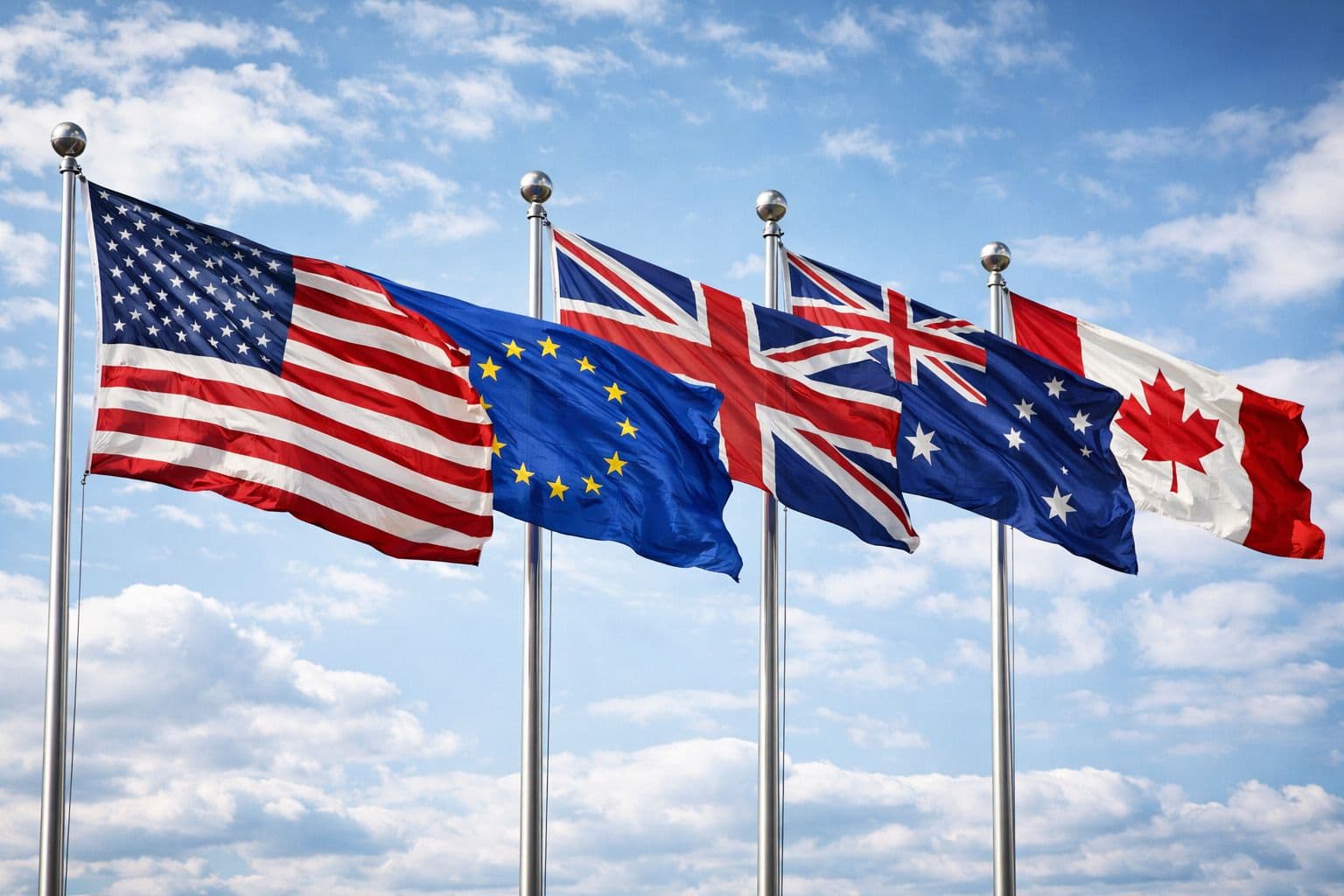
Official announcements in week 30 showed allied governments tightening defence readiness and sanctions while expanding Indo-Pacific partnerships, with HM Government announcing a £298 billion Defence Investment Plan and the Netherlands Ministry of Foreign Affairs detailing new EU measures against Russia. The Australian Foreign Minister also announced additional support for the Philippine Coast Guard, reinforcing the maritime-security focus.
Key Statistics
- £298 billion in UK Defence Investment Plan funding
- £400 million in UK investment for Tekever AR5 spy drones
- 24 Tekever AR5 drones planned for British forces
- €4.5 million in Dutch defence funding for quantum technology research
- €91 billion in estimated export losses linked to EU sanctions against Russia
- 8,500 soldier accommodations targeted under Germany’s SIPGO programme
- A$10 million in additional Australian drone technology and training support for the Philippine Coast Guard
Main Body
Official releases published from 21 to 26 July 2026 placed defence readiness, sanctions enforcement and Indo-Pacific maritime cooperation at the centre of government messaging, as HM Government announced a major defence investment plan, the Netherlands Ministry of Foreign Affairs described new EU sanctions against Russia, and the Australian Foreign Minister set out new support for the Philippine Coast Guard. The practical effect was a policy week focused on converting strategic commitments into procurement, regulatory pressure, partner capacity and military readiness.
European Union
On 23 July 2026, the European Parliament recorded a written question from MEP Katri Kulmuni asking the European Commission about reducing administrative burdens and improving legal clarity in implementation of the EU Deforestation Regulation. On 23 July 2026, the European Parliament also recorded a written question from MEP Moritz Körner on security of energy supply. On 24 July 2026, the European Parliament recorded a question on human-rights due diligence in Global Gateway projects after findings in the Berta Cáceres case. These questions mattered because Commission responses could shape compliance costs, energy-risk planning and development-finance safeguards.
France
On 23 July 2026, the Ministry for Europe and Foreign Affairs condemned what it described as deliberate intimidation of French agents by Iranian security services. On 23 July 2026, Jean-Noël Barrot said in an interview published by the Ministry for Europe and Foreign Affairs that two French diplomats had returned to Paris after being detained for four hours in Tehran. On 24 July 2026, the Ministry for Europe and Foreign Affairs published a France-Iceland road map for stronger bilateral cooperation. On 22 July 2026, the Ministry for Europe and Foreign Affairs said Barrot met ICC Deputy Prosecutor Mame Mandiaye Niang and reaffirmed support for the Court.
Germany
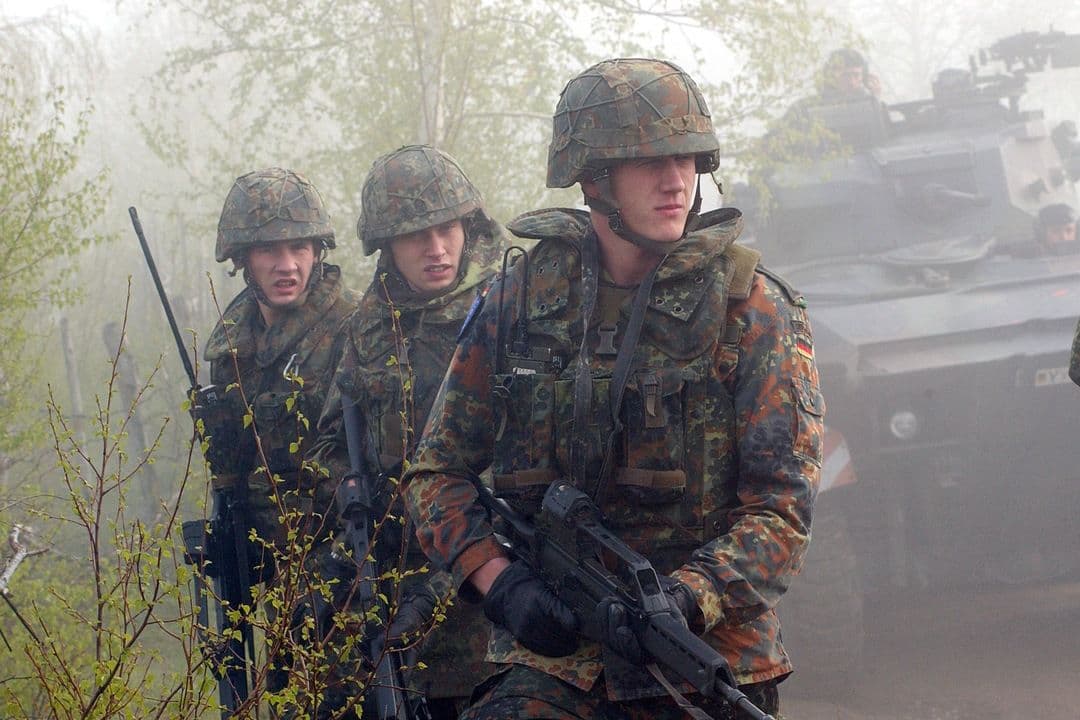
On 23 July 2026, the Bundeswehr said about 45 participants took part in Digital Corvus 1 training on adapting civilian drones and linking them to military command information systems. On 24 July 2026, the Bundeswehr said German engineering troops were supporting Poland’s Eastern Shield border-fortification effort, including work relevant to the Suwalki Corridor. On 22 July 2026, the Bundeswehr said SIPGO aimed to create 8,500 soldier accommodations using about 4,800 containers at 31 locations. These measures addressed practical readiness gaps in drones, infrastructure and NATO border resilience.
United Kingdom
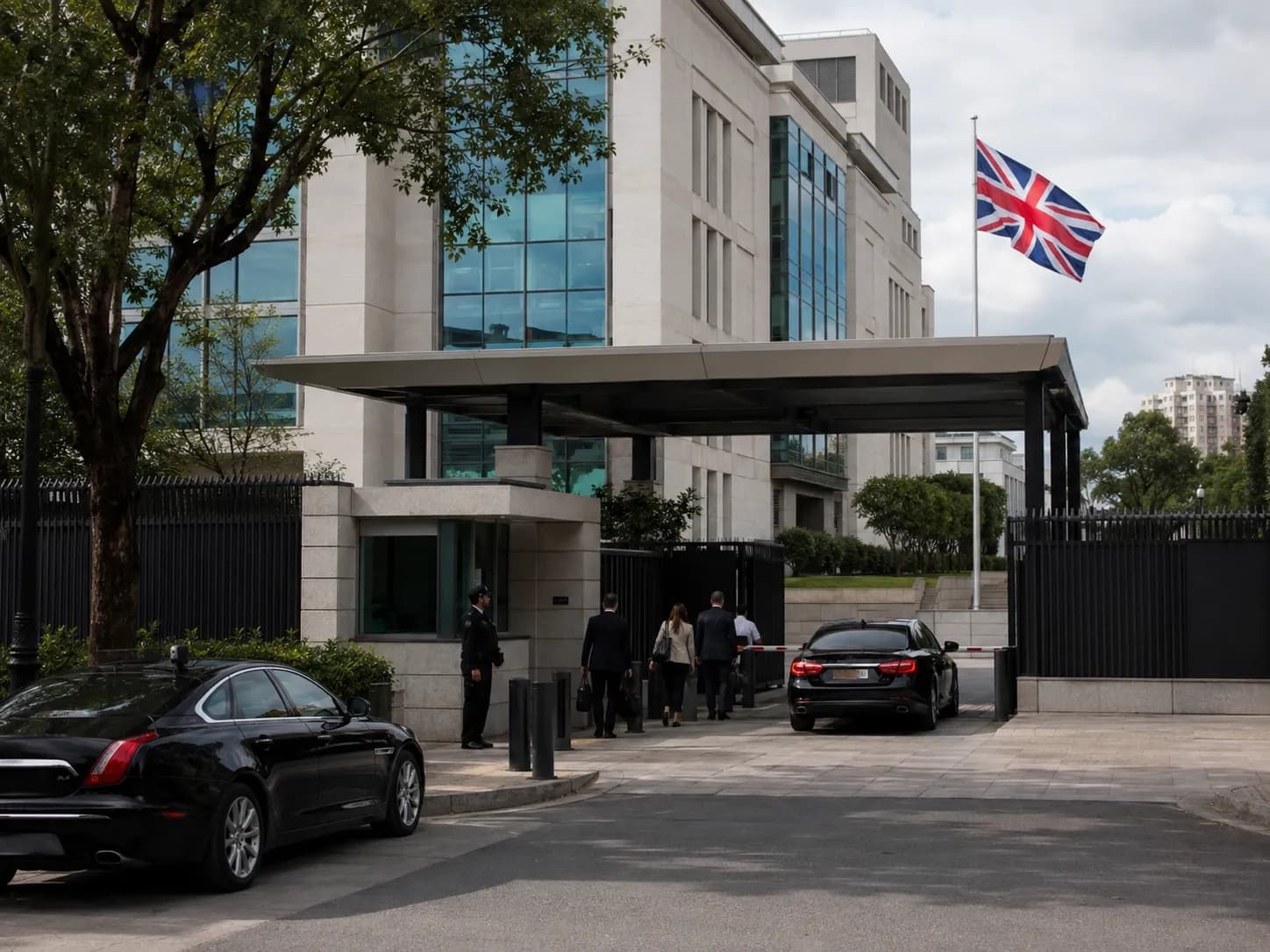
On 21 July 2026, HM Government said Defence Minister Luke Pollard set out a £298 billion Defence Investment Plan, including £31 billion for the Royal Air Force. On 25 July 2026, HM Government announced a £400 million investment in Tekever AR5 spy drones, with an initial order of six and plans for up to 24 aircraft. On 22 July 2026, HM Government said Russia had launched 125 drones and 41 missiles in attacks on Ukraine, raising wider escalation risks. The announcements linked industrial policy with battlefield surveillance and European security.
Netherlands
On 23 July 2026, the Netherlands Ministry of Defence invited scientists and consortia to submit quantum-technology research proposals, with about €4.5 million available. On 24 July 2026, the Netherlands Ministry of Foreign Affairs said the EU adopted a new Russia sanctions package targeting oil revenues, shadow-fleet activity and sanctions circumvention. On 23 July 2026, the European Commission said the Greater North Sea Basin Initiative involved seven countries in coordinated maritime spatial planning. The Dutch announcements pointed to resilience in digital security, sanctions implementation and maritime governance.
United States
On 23 July 2026, NATO said Special Representative Javier Colomina visited Allied Command Transformation in Norfolk, Virginia, to discuss Istanbul Cooperation Initiative flagship projects with Gulf partners. On 23 July 2026, the Department of State announced sanctions designations against nine entities and two individuals linked to the Cuban regime. On 24 July 2026, the Department of War said a multinational medical team integrated aboard the USS Essex. The U.S.-linked items combined alliance transformation, coercive financial tools and operational medical readiness.
Australia
On 26 July 2026, DFAT ministers said an Australian ministerial visit to Vietnam and Cambodia would focus on shared security, prosperity and resilience. On 25 July 2026, the Minister for Defence said he would travel to the United States for AUKUS-related meetings, including shipyard and training-unit engagements. On 23 July 2026, the Foreign Minister emphasized the UN Convention on the Law of the Sea and ASEAN-centred regional processes at De La Salle University. On 21 July 2026, the Foreign Minister announced A$10 million in additional drone technology and training support for the Philippine Coast Guard.
For policymakers, the week’s announcements showed governments pairing long-term strategy with implementable tools: procurement contracts, research grants, sanctions listings, infrastructure programmes and partner training. The broader practical significance was that allied capitals were using national budgets, EU regulatory channels, NATO mechanisms and Indo-Pacific partnerships to harden resilience while keeping diplomatic and legal frameworks central to security policy.