Quick Brief
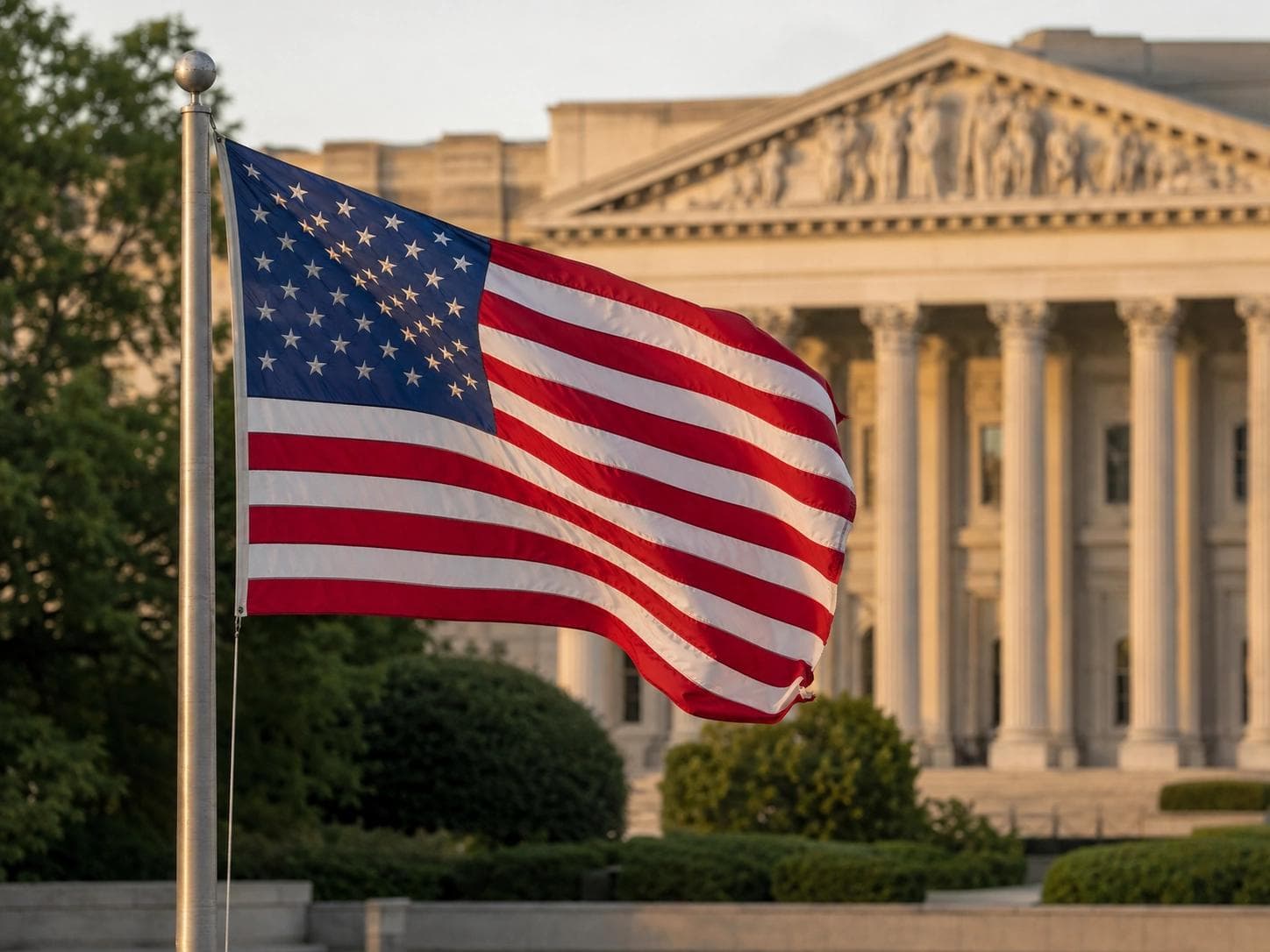
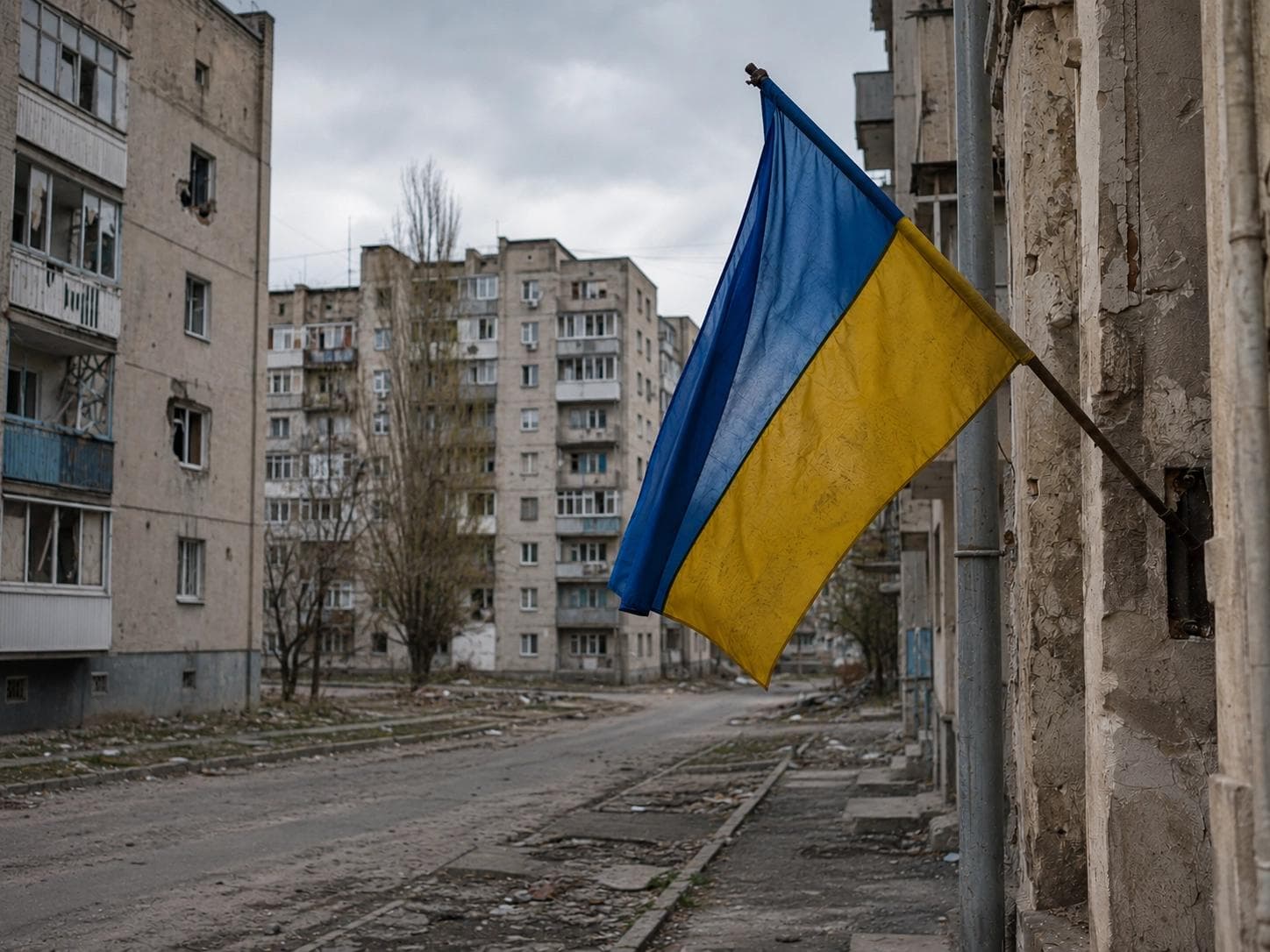
This week in politics, European leaders convened to address mounting pressures from Russia, China, and uncertainties linked to U.S. policy shifts, signaling a push for greater European strategic autonomy. Concurrently, the U.S. faces a potential Department of Homeland Security (DHS) shutdown as bipartisan negotiations over immigration enforcement and funding falter. Meanwhile, Ukraine’s President Zelenskyy intensifies calls for increased U.S. pressure on Russia to end the war by summer, amid concerns over diplomatic expectations and the influence of U.S. domestic politics on foreign policy. These developments collectively highlight the interplay between international diplomacy, alliance dynamics, and domestic political challenges.
Europe’s Strategic Recalibration Amid Transatlantic Uncertainty
European leaders gathered in Belgium and at the Munich Security Conference to confront growing geopolitical pressures from Russia and China, alongside apprehensions about potential shifts in U.S. foreign policy under former President Donald Trump. The summit and conference discussions emphasized the need for European unity and strategic autonomy across security, economic, and diplomatic domains.
-
The EU summit focused on coordinating responses to external pressures, aiming to strengthen cohesion and resilience against challenges posed by Russia’s assertiveness, China’s global ambitions, and unpredictable U.S. policy signals s1.
-
At the Munich Security Conference, transatlantic tensions were a central theme, with U.S. Senator Marco Rubio adopting a warmer tone toward allies despite concerns about disruptions to NATO and European security frameworks. The gathering underscored the importance of alliance cohesion and deterrence amid diplomatic uncertainties s2.
-
European officials pushed back against alarmist U.S. rhetoric describing Europe as facing “civilizational erasure,” advocating for cooperative and fact-based approaches to migration and demographic challenges to preserve transatlantic relations s3.
-
French President Emmanuel Macron called for a unified European diplomatic approach toward Russia, emphasizing collective dialogue without premature concessions. He also urged the EU to seize a “Greenland moment” to accelerate reforms and assert itself as a global power, particularly in defense and economic policy s4, s5.
-
Discussions on nuclear weapons policy gained traction following a U.S. “reality check” on the limits of American security guarantees, prompting European leaders to reassess deterrence strategies and nuclear sharing arrangements in light of evolving threats s6.
Why it matters: Europe’s push for strategic autonomy reflects growing skepticism about the reliability of traditional alliances, particularly with the U.S., amid shifting political landscapes. This recalibration could reshape global security architectures, economic partnerships, and diplomatic alignments, influencing the balance of power in a multipolar world.
U.S. Immigration Deadlock Threatens Department of Homeland Security Operations
In the United States, bipartisan efforts to preserve health subsidies recently collapsed, and similar cross-party negotiations over Immigration and Customs Enforcement (ICE) reform and DHS funding are faltering as a critical deadline approaches.
-
The DHS faces a shutdown after Senate Democrats blocked Republican-backed short-term funding extensions, reflecting deep partisan divides over immigration enforcement and oversight s8.
-
Congressional hearings spotlighted stark disagreements between Republicans and Democrats on enforcement tactics, border security, and agency accountability, with limited signs of compromise s9, s11.
-
Lawmakers are under pressure to find common ground before the funding deadline to avoid operational disruptions that could affect border security and immigration services s10, s12.
-
The failure of bipartisan efforts to save health subsidies casts doubt on the prospects for meaningful ICE reform, suggesting entrenched political and procedural hurdles remain formidable s7.
Why it matters: The DHS funding impasse exemplifies the challenges of bipartisan governance in a polarized environment, with significant implications for national security, immigration policy, and public services. A shutdown could disrupt critical operations and exacerbate political tensions ahead of upcoming elections.
Ukraine’s Diplomatic Crossroads: Calls for Balanced Pressure and Swift Resolution
Amid ongoing conflict, Ukrainian President Volodymyr Zelenskyy intensified appeals for increased U.S. pressure on Russia to end the war by summer, while also critiquing perceived imbalances in diplomatic expectations.
-
Zelenskyy urged Washington to apply stronger diplomatic and political measures on Moscow to expedite conflict resolution within a defined timeline s13.
-
He expressed concern that the U.S. often asks Ukraine, rather than Russia, to make concessions, calling for more balanced pressure on all parties involved s14.
-
Reports indicate that U.S. domestic political considerations, including the upcoming midterm elections, are influencing diplomatic pressure on Ukraine to pursue a deal, a dynamic Kyiv has acknowledged s15.
-
Senator Marco Rubio met with Zelenskyy ahead of critical Geneva talks, framing former President Trump’s position as favoring a solution that “ends the bloodshed,” signaling bipartisan U.S. interest in a negotiated settlement s16.
-
Trump publicly urged Zelenskyy to “get moving” on peace talks, warning of a missed “golden opportunity” if delays continue, adding pressure to accelerate diplomatic efforts s17.
-
NATO’s U.S. envoy highlighted China’s potential leverage over Russia, stating Beijing could call Putin and end the war “tomorrow,” underscoring international expectations for China to engage more actively in conflict resolution s18.
Why it matters: Ukraine’s diplomatic position is increasingly influenced by the interplay of international pressure, domestic political timelines in the U.S., and broader geopolitical considerations involving China and NATO. The push for a timely resolution reflects urgency to stabilize the region, but also reveals the complexities of balancing national sovereignty, alliance expectations, and global power dynamics.
Conclusion
This week’s political developments reveal a world in flux, where traditional alliances are tested, domestic political gridlocks threaten governance continuity, and conflict resolution efforts are shaped by multifaceted pressures. Europe’s pursuit of strategic autonomy signals a recalibration of global power relations, while the U.S. grapples with internal divisions that risk operational shutdowns affecting national security. Simultaneously, Ukraine stands at a diplomatic crossroads, navigating external pressures and internal imperatives amid a protracted conflict. Together, these narratives illustrate the intricate interdependencies of international diplomacy, domestic politics, and security concerns shaping the contemporary political landscape.