Quick Brief
This week’s defence landscape was marked by severe conflict escalations and consequential humanitarian impacts in Sudan, Syria, and Ukraine. Concurrently, the Munich Security Conference spotlighted transatlantic tensions and European strategic recalibrations amid uncertainties in U.S. foreign policy. Diplomatic efforts intensified around the Russia-Ukraine war, with Ukrainian leadership urging increased U.S. pressure on Moscow and navigating complex negotiation dynamics influenced by U.S. domestic politics.
Humanitarian Toll and Military Actions in Conflict Zones
The past week revealed harrowing developments in multiple conflict zones, underscoring the persistent volatility and humanitarian crises that continue to challenge international security frameworks.
-
In Sudan’s Darfur region, the United Nations reported that over 6,000 people were killed within three days during a late-October offensive by the Rapid Support Forces (RSF) targeting el-Fasher. This wave of violence inflicted severe humanitarian consequences, including mass displacement and civilian suffering, highlighting the ongoing instability in Sudan and the urgent need for international attention and aid coordination UN Report on Sudan Violence.
-
The U.S. military conducted a series of airstrikes against Islamic State (ISIS) targets in Syria, described as retaliation for a December ambush that resulted in the deaths of two U.S. soldiers and an American civilian interpreter. While operational details remain limited, these strikes represent continued U.S. counterterrorism efforts aimed at degrading ISIS capabilities in the region U.S. Airstrikes in Syria.
-
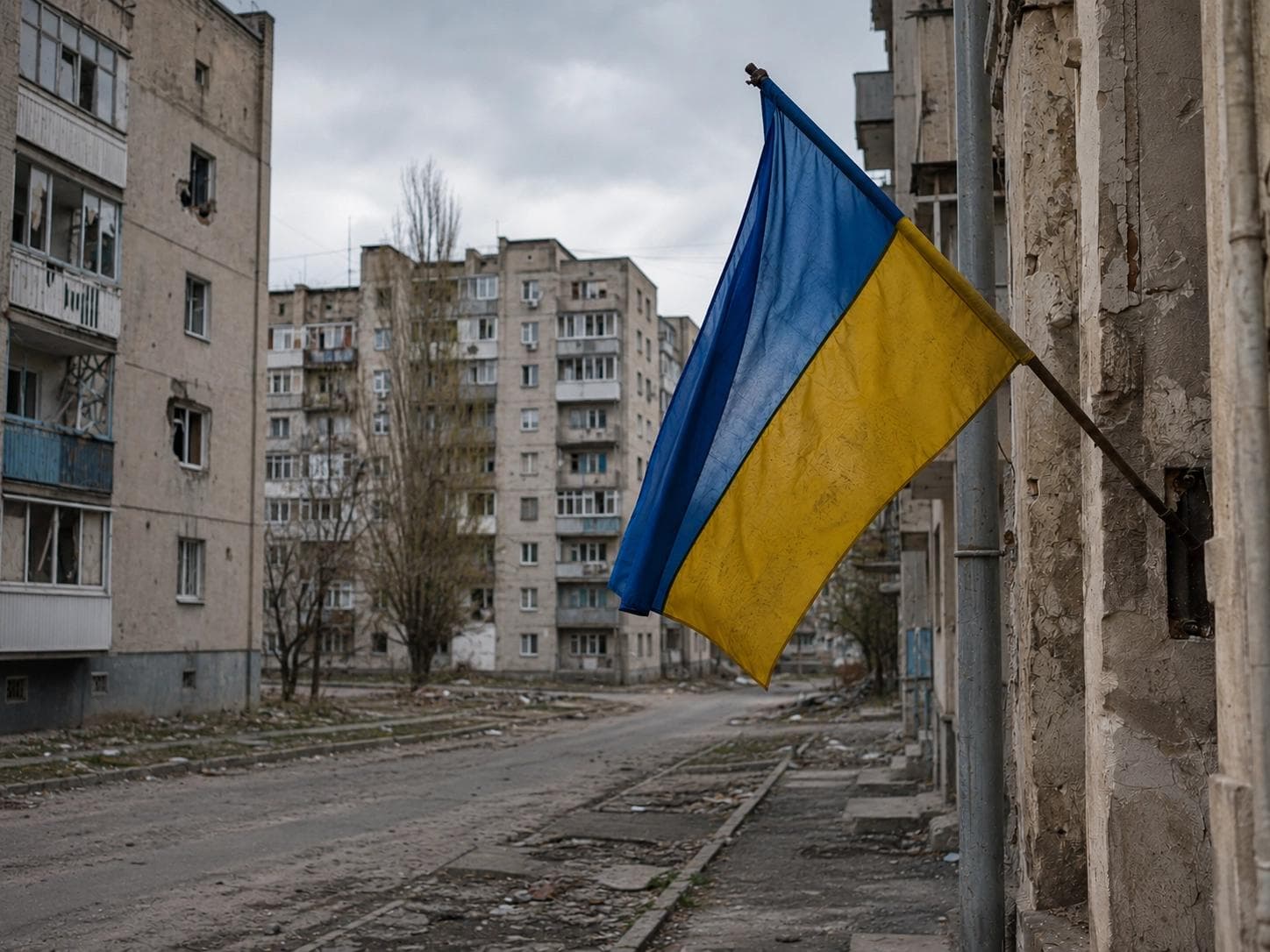
The Russia-Ukraine conflict saw renewed violence with Russian drone and missile strikes targeting civilian areas in Kharkiv. These attacks resulted in the deaths of at least four civilians, including children, and serious injuries to a pregnant woman. The strikes damaged critical infrastructure, including power plants, exacerbating humanitarian challenges and underscoring the war’s toll on non-combatants and essential services Russian Drone Attack in Kharkiv, Russian Strikes Kill Civilians, Damage to Ukrainian Power Plants.
Why it matters: These developments highlight the persistent and multifaceted nature of modern conflicts, where military operations directly impact civilian populations and infrastructure, complicating humanitarian responses and international diplomatic efforts. The sustained violence in Sudan and Ukraine, alongside counterterrorism actions in Syria, reflect ongoing global security challenges requiring coordinated defence and humanitarian strategies.
Transatlantic Relations Under Scrutiny at Munich Security Conference
The annual Munich Security Conference served as a focal point for assessing the state of transatlantic relations amid evolving U.S. foreign policy and rising geopolitical pressures.
-
U.S. Senator Marco Rubio delivered a notably warmer tone toward European allies, seeking to reassure partners after a period marked by President Donald Trump’s often contentious rhetoric. Rubio emphasized continued U.S. commitment to NATO and European security, aiming to stabilize alliance cohesion despite uncertainties Rubio’s Munich Speech, Munich Conference Overview.
-
European Union leaders convened in Belgium to coordinate responses to external pressures from Russia and China, as well as potential shifts in U.S. policy. The summit underscored efforts to strengthen unity across security, economic, and diplomatic domains to safeguard European interests amid a complex international environment EU Leaders Meeting.
-
Discussions at Munich also highlighted concerns about the rise of Europe’s far-right movements and intelligence challenges, particularly in regions like Georgia, signaling increased instability and the need for vigilant security cooperation Munich Security Report.
-
European debates on nuclear weapons policy intensified following a U.S. 'reality check' on the limits of American security guarantees. This has prompted considerations of deterrence strategies and potential shifts in national defence postures within Europe Europe Nuclear Weapons Debate.
-
Germany’s defence minister called for a predictable and stable partnership with the United States, emphasizing the importance of reliability for effective planning and coordination between allies German Defence Minister Statement.
Why it matters: The conference illuminated the fragile state of transatlantic alliances amid geopolitical competition and shifting U.S. policies. Reassurances from U.S. officials and coordinated European responses aim to preserve NATO’s deterrence capabilities and collective security, which are critical in the face of Russian aggression and broader global challenges.
Diplomatic Pressures and Peace Prospects in the Russia-Ukraine Conflict
Diplomatic activity intensified this week as Ukraine’s leadership called for increased U.S. pressure on Russia and navigated complex negotiation dynamics influenced by both international and domestic political factors.
-
Ukrainian President Volodymyr Zelenskyy urged the United States to escalate diplomatic and political pressure on Russia with the goal of ending the war by summer. He emphasized the need for stronger measures to compel Moscow toward a resolution Zelenskyy Calls for U.S. Pressure.
-
Zelenskyy criticized the U.S. approach of frequently asking Ukraine to make concessions rather than applying balanced pressure on Russia, highlighting concerns about negotiation fairness and burden-sharing among allies Zelenskyy on Concessions.
-
Reports indicate that U.S. diplomatic pressure on Ukraine to pursue a deal has increased as the U.S. midterm elections approach, suggesting that domestic political timelines are influencing foreign policy and peace negotiations U.S. Pressure Linked to Midterms.
-
Senator Marco Rubio met with Zelenskyy ahead of critical Geneva talks, framing former President Donald Trump’s interest in a negotiated solution aimed at ending the bloodshed. Rubio’s engagement signals ongoing U.S. political involvement in shaping conflict resolution pathways Rubio Meets Zelenskyy.
-
Former President Trump publicly urged Zelenskyy to accelerate peace talks, warning of a missed "golden opportunity" if negotiations are delayed. This adds pressure on Kyiv amid competing narratives about the timing and approach to peace efforts Trump’s Call for Swift Talks.
-
Zelenskyy also highlighted the extensive damage to Ukraine’s energy infrastructure caused by Russian strikes, framing Russian President Vladimir Putin as a "slave to war," which underscores the ongoing humanitarian and strategic challenges facing Kyiv Zelenskyy on Infrastructure Damage.
Why it matters: The diplomatic developments reflect the complex interplay between military realities, international political pressures, and domestic electoral considerations shaping the trajectory of the Russia-Ukraine conflict. Ukraine’s calls for balanced pressure and swift negotiations highlight the urgency of resolving the war while managing alliance dynamics and humanitarian imperatives.
Conclusion
This week’s defence sector developments reveal a world grappling with persistent conflict, shifting alliances, and the delicate balance of diplomacy and military action. The humanitarian crises in Sudan and Ukraine emphasize the urgent need for coordinated international responses. Meanwhile, the Munich Security Conference and related diplomatic engagements underscore the importance of maintaining alliance cohesion and strategic clarity amid geopolitical uncertainties. Finally, the evolving diplomatic pressures surrounding the Russia-Ukraine war illustrate how domestic politics and international diplomacy intersect in efforts to achieve peace. Together, these threads illustrate the multifaceted challenges and critical decisions shaping global defence and security in the near term.