Key Developments
The UK Foreign Secretary informed Parliament of ongoing Iranian missile and drone attacks in the Middle East, underscoring UK defensive measures and diplomatic efforts. Concurrently, the UK led a joint UN statement with 30 countries urging global resistance to setbacks in women’s rights.
Key Statistics
- 3,000 drones fired across the Middle East region attributed to Iranian forces
- 900 missiles launched impacting regional security
- 4 UK military assets deployed for defense operations
- 100,000 British nationals returned safely from the conflict zone
- 31 countries joined the UK-led joint statement at the UN Commission on the Status of Women
- 30 years since the Beijing Declaration on women’s rights
- UK aims to halve violence against women within a decade as part of ongoing policy goals
Main Body
On March 17, 2026, the UK Foreign Secretary addressed Parliament regarding escalating conflict in the Middle East characterized by extensive Iranian missile and drone strikes. The statement detailed that approximately 3,000 drones and 900 missiles had been launched across the region, prompting deployment of four British military assets to support defensive operations. The government emphasized its commitment to protecting British nationals, successfully facilitating the return of around 100,000 citizens from affected areas. Diplomatic efforts remain focused on achieving a negotiated resolution that addresses Iran’s aggressive actions and prevents future threats.
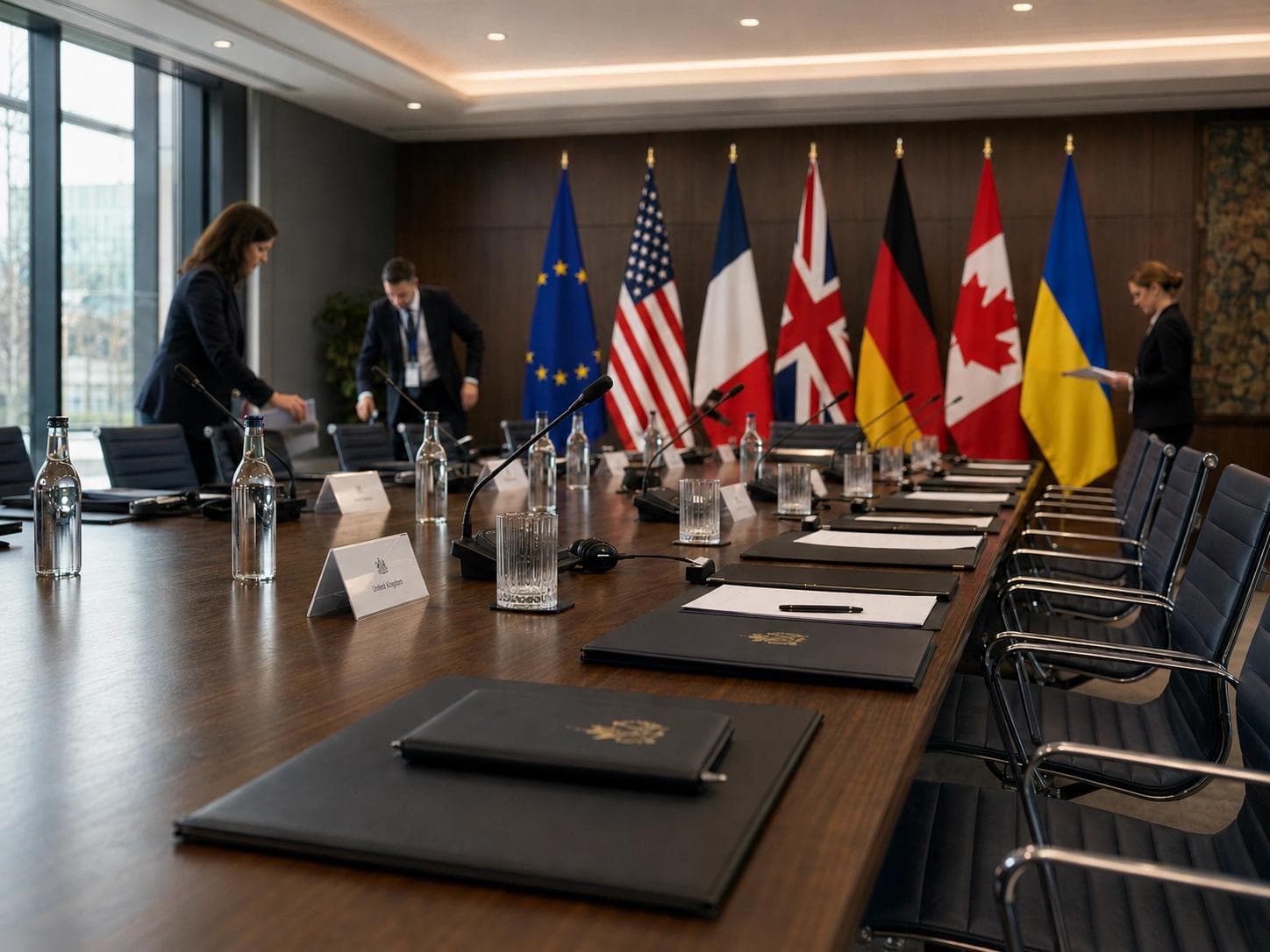
Simultaneously, at the United Nations Commission on the Status of Women, Ambassador James Kariuki delivered a UK-led joint statement endorsed by 31 countries. This declaration called for global resistance against rollbacks in women’s rights progress made over three decades since the Beijing Declaration. It highlighted critical issues including increased political participation for women and combating violence against women and girls—both offline and online—including conflict-related sexual violence. This aligns with longstanding UK policy commitments aiming to halve rates of violence against women within ten years.
These announcements fit within a broader historical context where the UK has consistently condemned Iran's destabilizing activities through multiple forums including recent UN Security Council resolutions denouncing Iran's attacks on Gulf States and Jordan. The UK's position has emphasized strict enforcement of sanctions related to Iran's nuclear program—specifically concerning its stockpile of approximately 400 kilograms of highly enriched uranium—and called for accountability regarding human rights abuses inside Iran documented at UN Human Rights Council sessions.
The dual focus on regional security in the Middle East alongside advancing human rights globally reflects an integrated approach by the UK government toward international stability. Addressing Iranian aggression is critical not only for protecting British nationals but also for maintaining broader Gulf security vital to global energy markets and diplomatic relations. Meanwhile, championing women's rights internationally supports governance reforms and social stability essential for sustainable development worldwide. These developments come amid shifting geopolitical dynamics where European partners have shown varied responses to US-led initiatives in Gulf security operations.