Key Developments
According to HM Government, the Defence Secretary on 9 April 2026 reported UK forces had tracked Russian submarine activity in the Atlantic, dedicated significant assets to protect undersea infrastructure, and announced a £100 million defence investment increase, amid AP News reporting of UK-Norway deterrence patrols.
Key Statistics
- 450 flight hours logged by UK P-8 aircraft for maritime patrol
- 500 military personnel deployed to the Atlantic operation
- £100,000,000 increase in UK defence investment announced
- £270,000,000,000 UK defence budget, historical context
- £3,000,000,000 in annual UK military support to Ukraine, historical context
Main Body
On 9 April 2026, the Defence Secretary provided an operational update on Russian military activity in the Atlantic and outlined the United Kingdom’s response to risks against undersea infrastructure, according to HM Government. The update said UK forces had tracked Russian submarines and dedicated significant resources to monitoring and deterrence. The statement also confirmed a £100 million increase in defence investment to strengthen capabilities. The development came amid AP News reporting that the United Kingdom and Norway led a coordinated operation in the North Atlantic intended to deter Russian submarine activity.
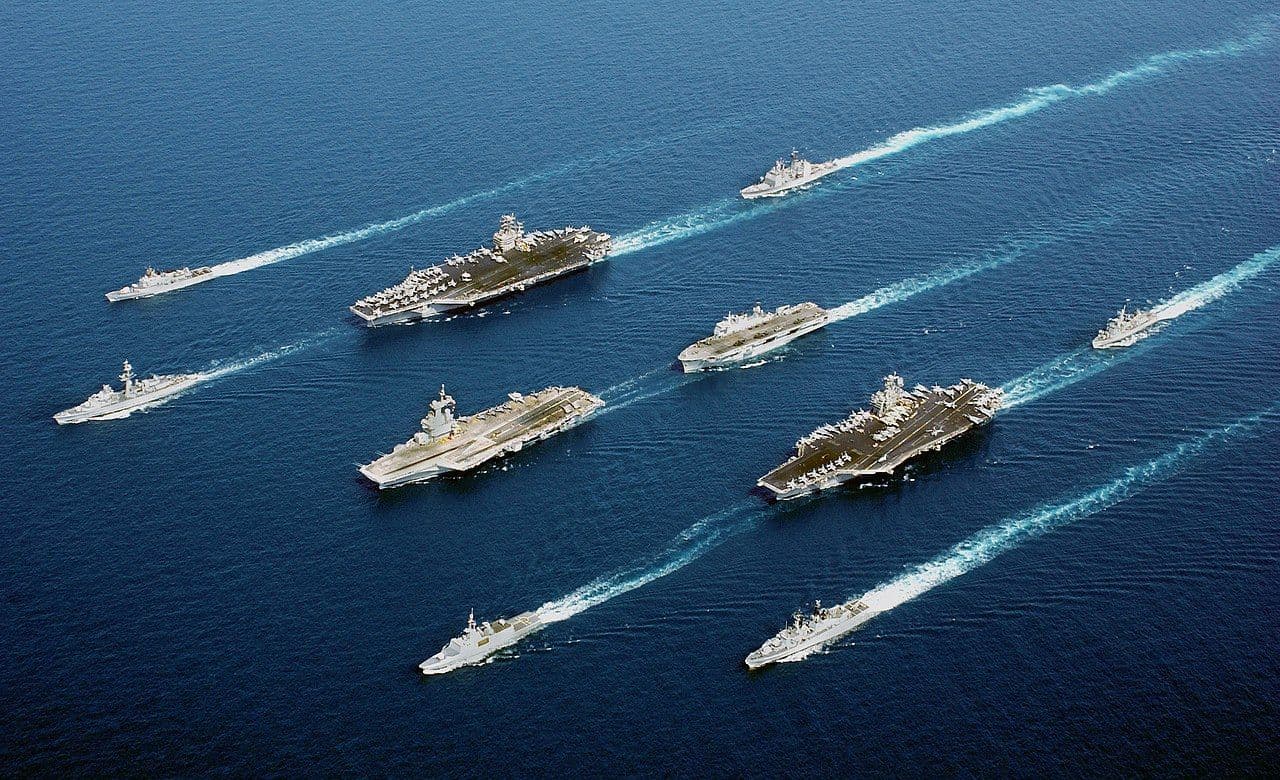
Operationally, the UK response relied on maritime patrol aircraft and surface escorts. UK P-8 aircraft flew 450 hours to search, classify and track contacts, and Royal Navy frigates covered thousands of nautical miles to maintain presence along key routes and around critical infrastructure, the HM Government update stated. The government said 500 personnel were deployed to the effort, spanning aircrew, surface ship companies and supporting intelligence and logistics teams. The Defence Secretary’s remarks framed these deployments as part of a broader push to harden the resilience of subsea assets and to signal deterrence against interference with cables and energy links, according to the HM Government statement.
The announcement was consistent with recent UK measures to strengthen defence cooperation and readiness. On 31 March 2026, the United Kingdom and Belgium signed a multi-year Mission Data partnership to enhance allied operational effectiveness, with UK firm QinetiQ leading the work, according to HM Government. That initiative was presented alongside a UK defence budget of £270 billion and a defence spending level of 2.6 percent of GDP, providing fiscal underpinning for data-driven maritime surveillance and air-sea integration, as HM Government noted. Separately, on 27 March 2026, the United Kingdom committed an additional £100 million for Ukraine’s air defence, bringing recent air defence commitments to £600 million and maintaining £3 billion in annual military support, according to HM Government. Together, these actions indicated sustained UK emphasis on countering Russian military pressure across multiple domains.
The wider significance lay in the security of Europe’s critical connectivity and energy flows. The UK update explicitly linked operations to safeguarding undersea infrastructure, a core economic and national security interest, according to HM Government. The activity also aligned with allied efforts to integrate commercial innovation and strengthen resilience, as NATO Allied Command Transformation highlighted in its engagement with commercial space partners to enhance operational capabilities and interoperability. At the European level, the Commission’s adoption of a €1.5 billion work programme under the European Defence Industry Programme aimed to increase production capacity and support collaborative defence projects, according to the European Commission. In practical terms, the UK’s Atlantic posture, allied coordination, and industrial investments pointed to a concerted drive to deter hostile undersea activity, protect critical infrastructure, and sustain operational readiness across the Euro-Atlantic area.