Key Developments
U.S. forces conducted extensive strikes on over 15,000 Iranian targets during Operation Epic Fury, degrading Iran’s defense industrial base. Concurrently, the UK convened defence industry leaders to bolster support for Gulf partners facing Iranian attacks.
Key Statistics
- Over 15,000 Iranian targets struck by U.S. and Israeli forces since Feb. 28
- More than 50,000 service members involved in Operation Epic Fury
- About 6,000 targets struck as reported by CENTCOM
- Over 60 ships and 30 minelayers damaged or destroyed in operations against Iran
- Six narco-terrorists eliminated by Joint Task Force Southern Spear on March 8
- Four of six crew members deceased in KC-135 tanker crash in western Iraq
- Thirteen UK-based defence companies engaged to support Gulf partners against Iran-related threats
Main Body
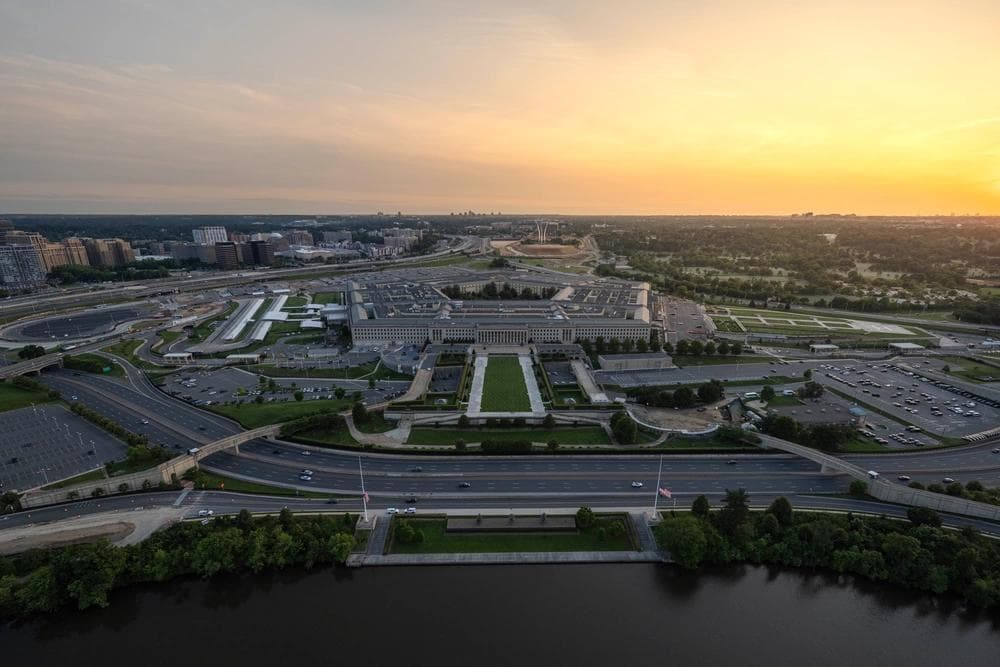
In March 2026, U.S. military forces intensified their campaign against Iranian military infrastructure under Operation Epic Fury, striking over 15,000 identified targets since the operation began on February 28. This included damage to more than 60 ships and the destruction of approximately 30 minelayers, significantly impairing Iran’s naval capabilities. The operation involved over 50,000 U.S. service members who established control over air and sea domains to degrade Iran’s active combat forces and defense industrial base.
Operational details revealed that CENTCOM reported striking about 6,000 targets directly impacting Iran’s missile production and drone attack capabilities, which have reportedly decreased by approximately 90% and 95%, respectively. The campaign also included homeland security measures such as activating the Army’s 260th Special Purpose Brigade on March 7 and conducting lethal strikes against narco-terrorists near the southern border.
This development follows prior government announcements emphasizing sustained pressure on Iran's military infrastructure and highlights a coordinated effort with Israeli forces to dismantle Tehran's offensive capabilities comprehensively. Secretary of War Pete Hegseth noted that Iran's defense industrial base was nearing complete destruction due to these combined efforts.
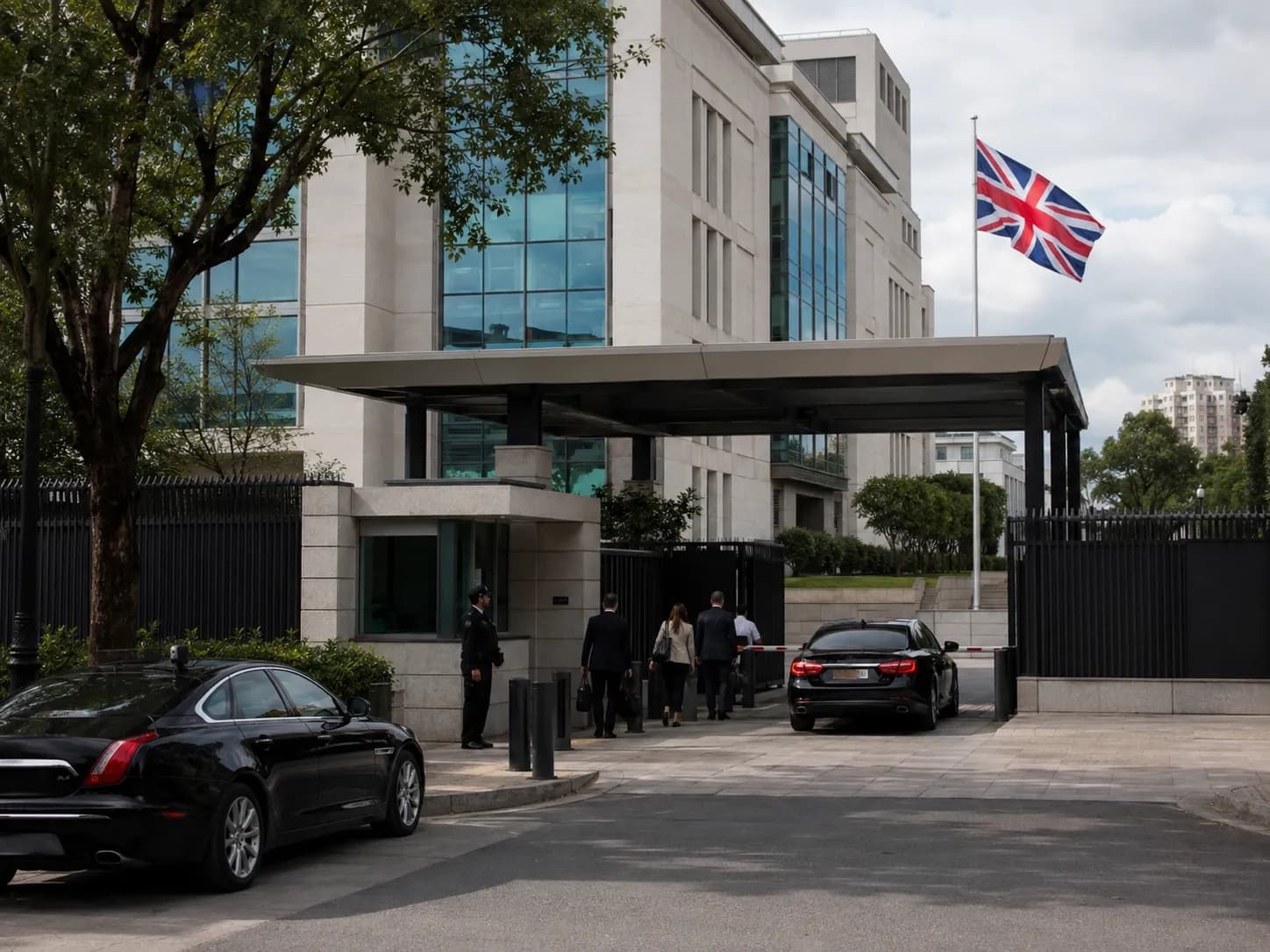
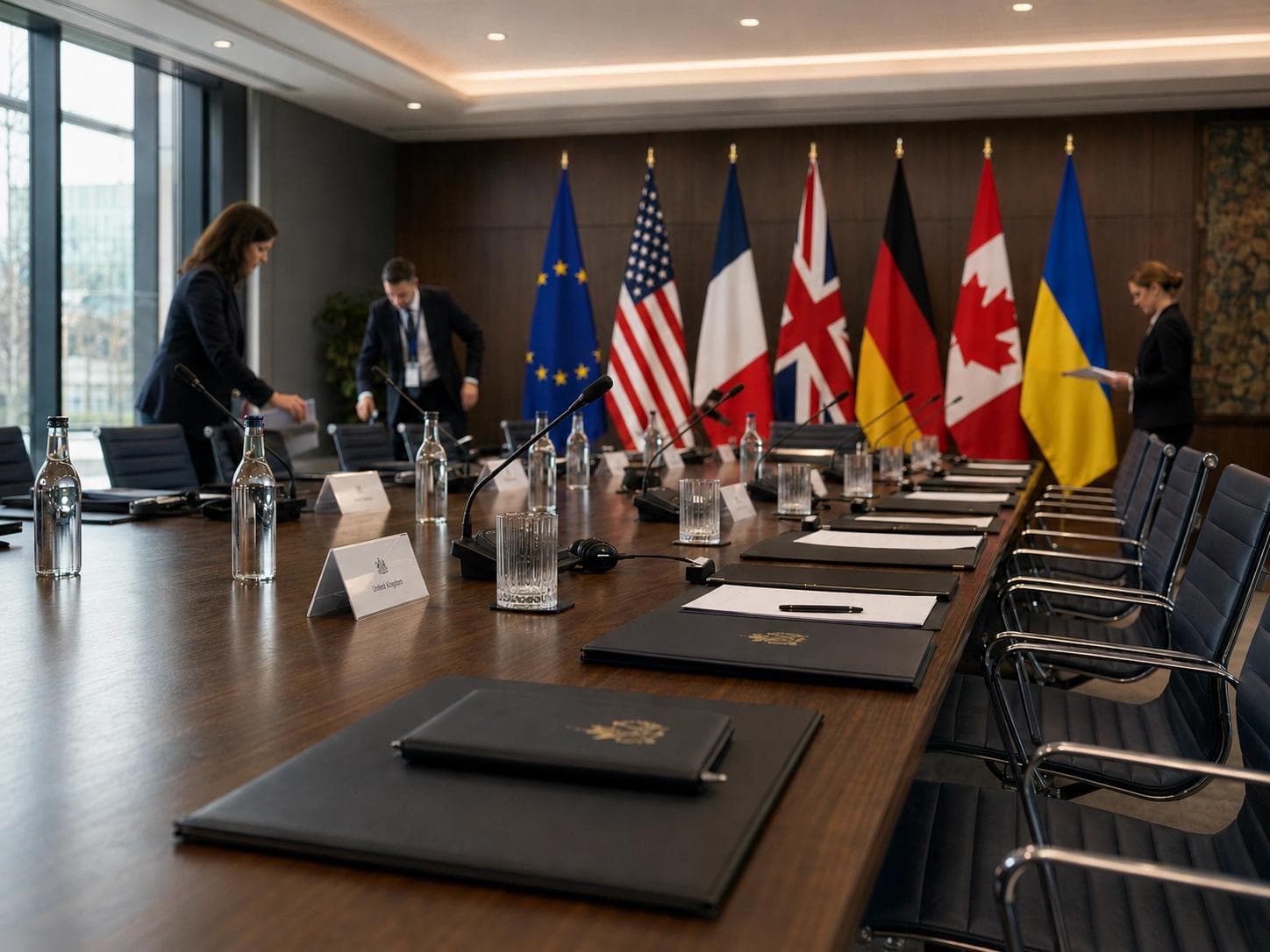
Simultaneously, the United Kingdom increased its defence cooperation with Gulf partners vulnerable to Iranian attacks by convening a meeting involving representatives from thirteen UK-based defence companies. The meeting focused on enhancing defensive equipment provision and technology transfer to regional allies while planning additional purchases of Lightweight Multirole Missiles for both UK forces and partner nations.
These developments fit within broader strategic themes of maintaining regional stability amid escalating tensions with Iran while supporting allied nations through enhanced military collaboration and capability development. The ongoing conflict in Iran has drawn international attention away from other global hotspots such as Ukraine but underscores the importance of sustained multinational efforts to counter destabilizing actors.
The degradation of Iran’s military assets through Operation Epic Fury reduces immediate threats posed by missile launches and drone attacks against U.S., allied forces, and commercial shipping lanes in critical regions like the Persian Gulf. Meanwhile, increased UK support strengthens Gulf states’ resilience against asymmetric threats from Tehran-backed groups.
Together these actions demonstrate a comprehensive approach combining direct military pressure with diplomatic engagement and industrial cooperation aimed at preserving security architecture across multiple theatres.