Key Developments
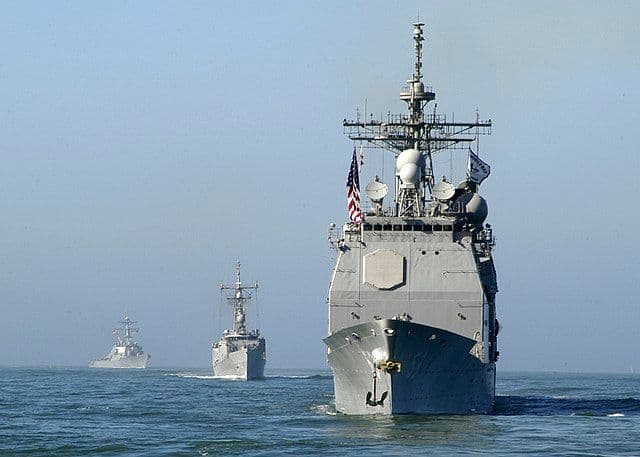
On 2 November 2026, the European Commission said the EU had advanced implementation of its Maritime Security Strategy through naval operations, stronger maritime domain awareness and cooperation with partners. The European Commission said the work included vessel monitoring, vessel protection and sanctions activity.
Key Statistics
- 2,000 merchant vessels were monitored under EU maritime security implementation, according to the European Commission.
- 800 merchant vessels were protected under the same EU maritime security work, according to the European Commission.
- 700 vessels were covered by sanctions activity cited by the European Commission.
- 100 enablers were sanctioned as part of the implementation record cited by the European Commission.
- Historical context: 21 sanctions packages were cited in France’s Black Sea security remarks, according to the Ministry for Europe and Foreign Affairs.
Main Body
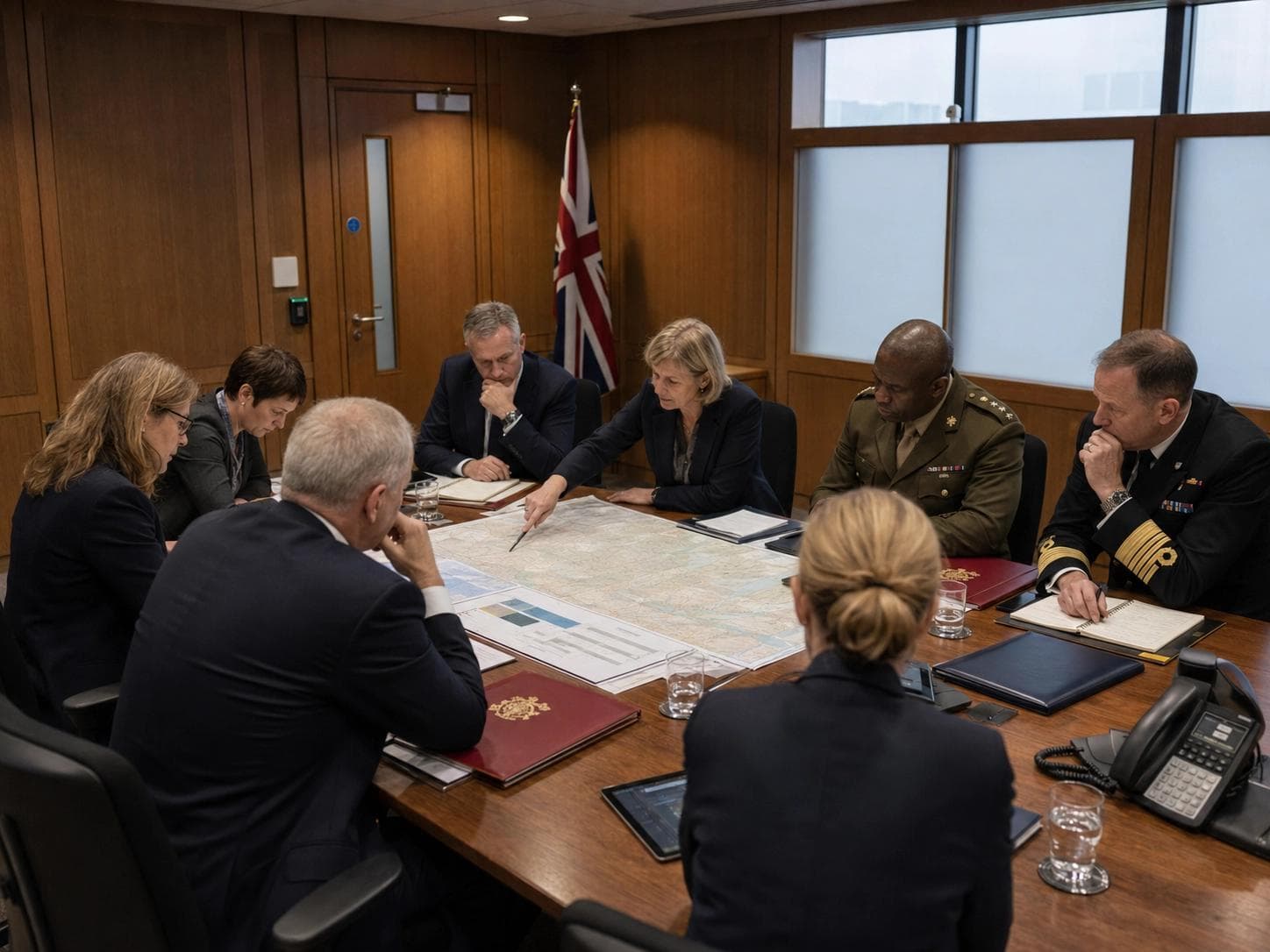
On 2 November 2026, the European Commission said it and the High Representative had released the first joint implementation report on the EU Maritime Security Strategy since the strategy was revised in 2023. The European Commission said the report showed progress in responding to maritime threats and improving cooperation among EU member states and international partners.
The European Commission said implementation included new naval operations, stronger maritime domain awareness and new political arrangements with partner countries. According to the European Commission, the work included monitoring 2,000 merchant vessels, protecting 800 merchant vessels, sanctions activity covering 700 vessels and sanctions on 100 enablers.
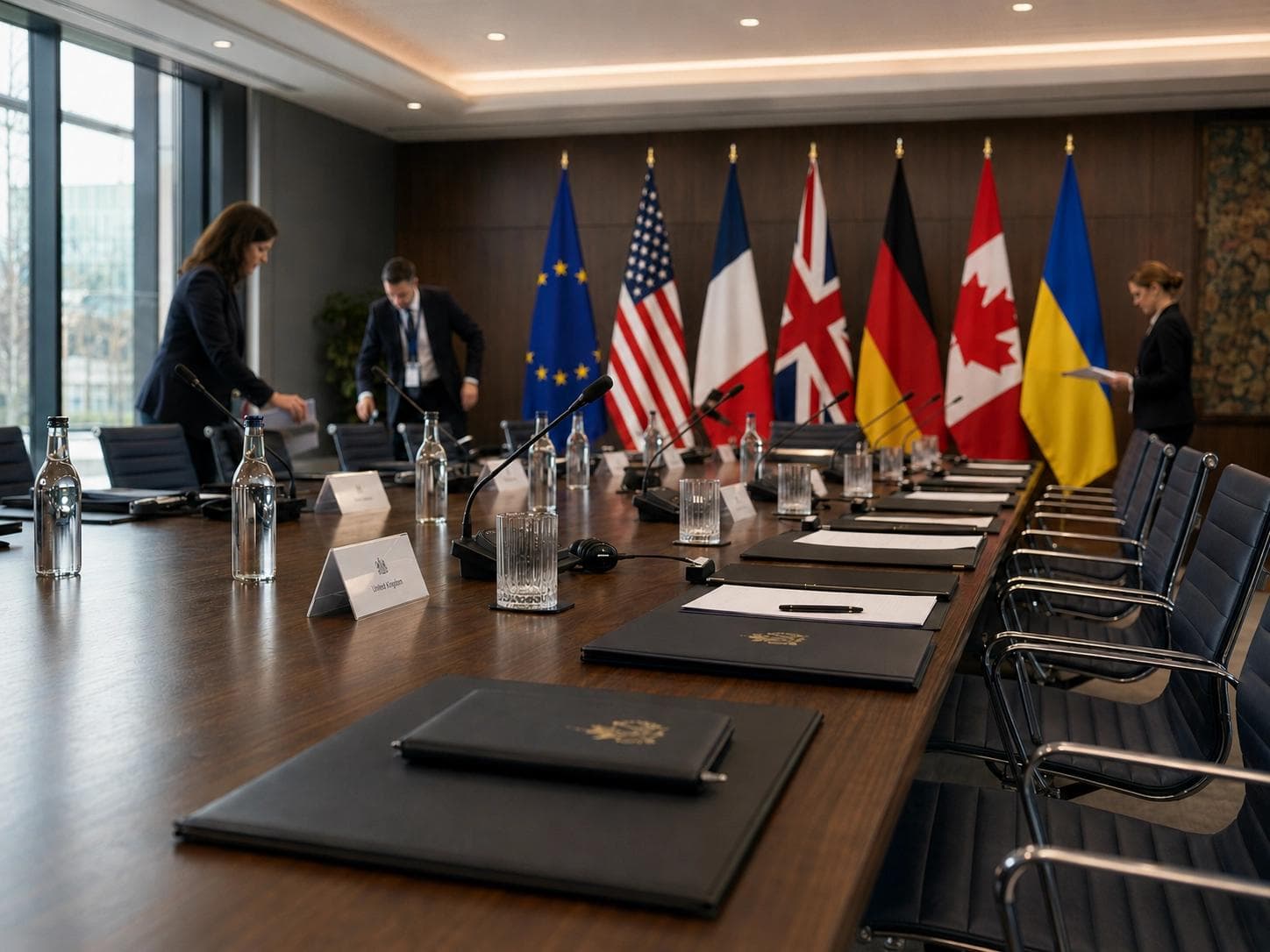
The EU review followed related European government activity on maritime security near Ukraine and the Black Sea. On 24 October 2026, the Ministry for Europe and Foreign Affairs said French Foreign Minister Jean-Noël Barrot visited Bulgaria’s Black Sea coast after recent drone attacks on civilian ships. A separate Ministry for Europe and Foreign Affairs statement said France had deployed one maritime patrol vessel and cited 21 sanctions packages, while NATO said allied discussions in Paris covered support for Ukraine, European security and protection of global trade routes.
The development mattered because the European Commission presented maritime security as a policy area linking naval activity, sanctions, information sharing and external partnerships. In practical terms, those measures supported trade-route protection, crisis response and coordination with allies, including Black Sea security concerns described by the Ministry for Europe and Foreign Affairs and Ukraine-related security discussions outlined by NATO.