Key Developments
Official announcements this week showed governments linking security, resilience and trade policy. On 28 October 2026, the Netherlands Ministry of Foreign Affairs announced a €1.2 billion Ukraine support package, while on 30 October 2026 the Minister for Foreign Affairs said Quad partners would provide more than $85 million for trusted technology access. On 27 October 2026, Australia’s Minister for Defence introduced legislation to protect bases and accelerate capability.
Key Statistics
- 6.6% cohesion policy error level cited in European Parliament scrutiny of EU fund controls
- €212 million in additional French State aid approved for agricultural and aquaculture companies
- 100 Bundeswehr medical personnel planned for Indo-Pacific deployment activity in Japan
- 90% of UK bilateral overseas development assistance planned to focus on gender equality
- €1.2 billion Dutch support package announced for Ukraine over 3 years
- 19 Western Hemisphere nations involved in the anti-cartel campaign planning forum
- 260 Australian companies expected to be represented at the China International Import Expo
Main Body
Official announcements during the week pointed to a policy agenda centered on Ukraine support, maritime and regional security, economic resilience, and regulatory control. On 28 October 2026, the Netherlands Ministry of Foreign Affairs announced a multi-year package for Ukraine, and on 30 October 2026 the Minister for Foreign Affairs said Quad ministers had agreed economic security measures in the Indo-Pacific.
European Union
On 30 October 2026, the European Parliament recorded a written question stating that the cohesion policy error level had risen to 6.6%, with the question focusing on control-system failures and consequences for EU funds. On 28 October 2026, another European Parliament question sought clarification from the European Commission on outstanding national obligations under the AI Act. These items mattered because they placed budget assurance and digital-rule implementation on the Commission’s scrutiny agenda.
France
On 29 October 2026, the European Commission approved an additional €212 million in French State aid for agricultural and aquaculture companies facing higher fuel prices, raising the scheme’s total budget to €424 million. On 31 October 2026, the Ministry for Europe and Foreign Affairs said Jean-Noël Barrot met Polish Foreign Minister Radislaw Sikorski at the G20 foreign ministers’ meeting in Atlanta to discuss defence, energy and support for Ukraine. On 1 November 2026, the Ministry for Europe and Foreign Affairs said Barrot met Canadian Foreign Minister Anita Anand to discuss energy cooperation, the Middle East and Haiti.
Germany
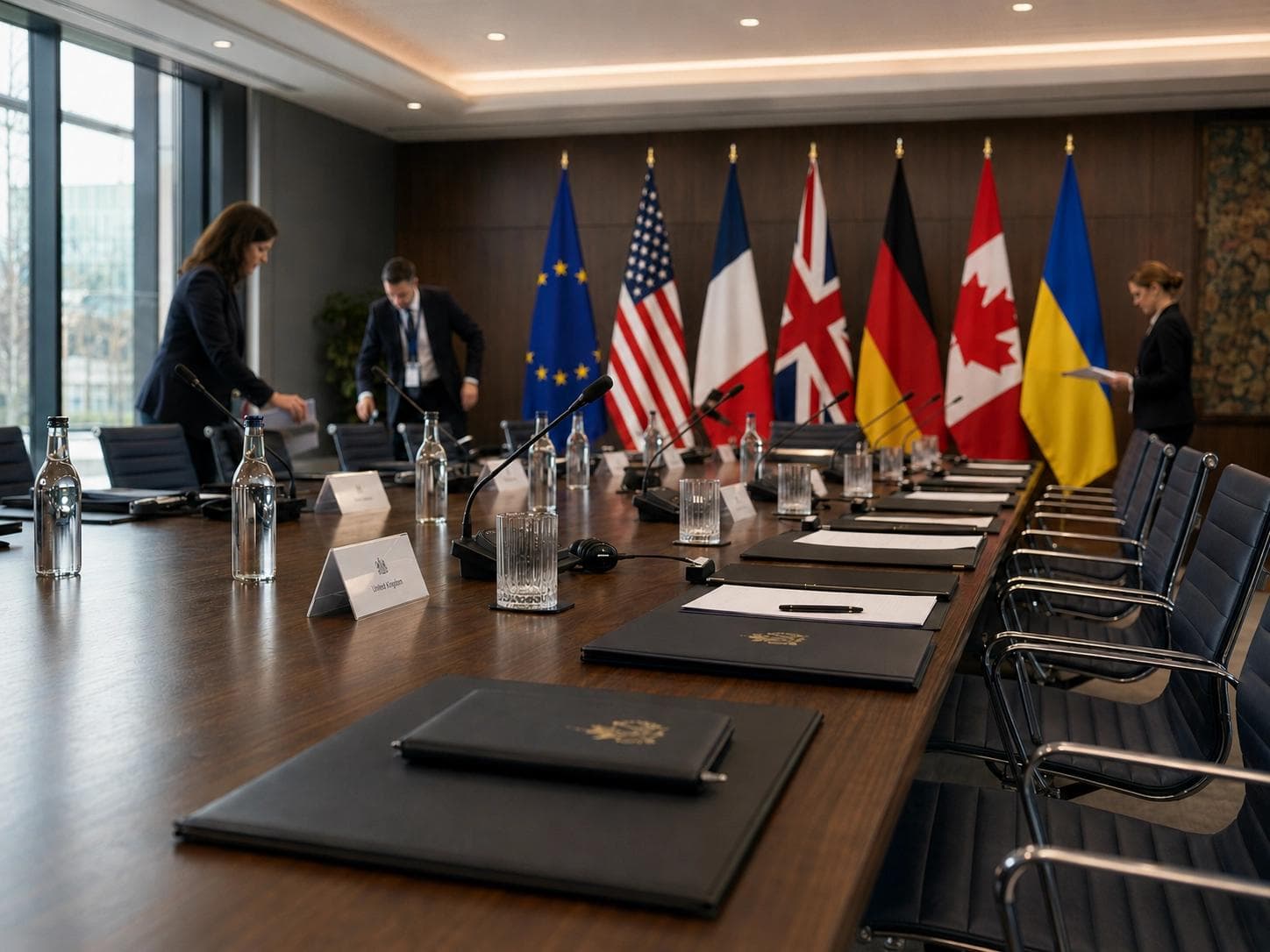
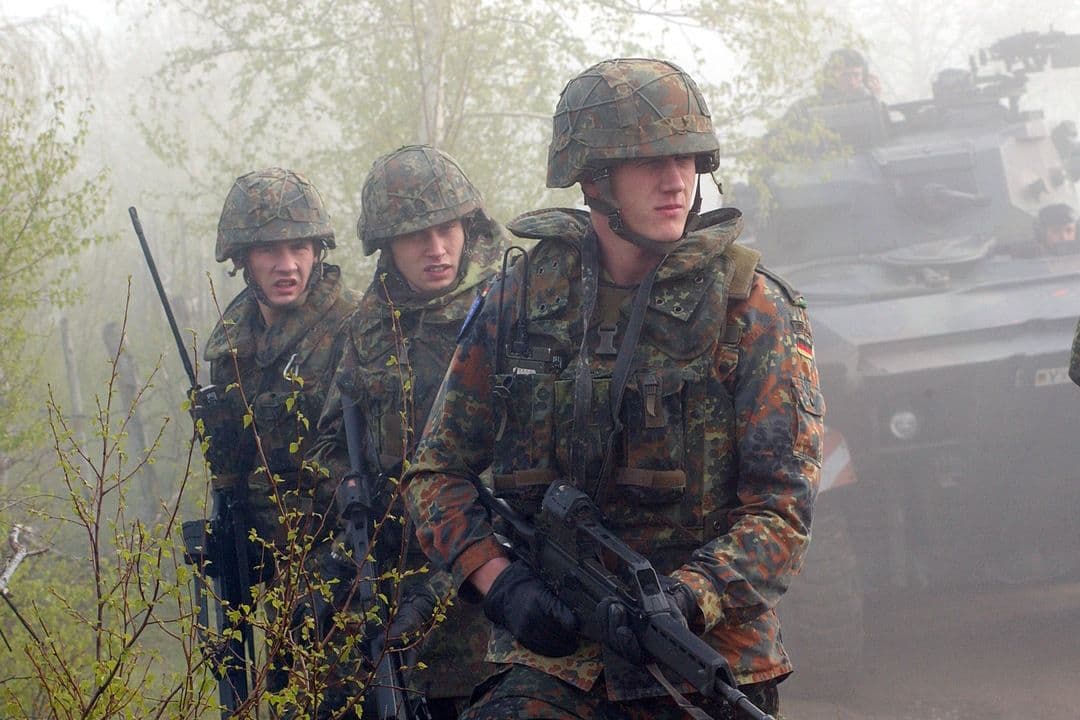
On 29 October 2026, the Bundeswehr said Germany’s medical service would take part in Indo-Pacific activity in Japan with 100 personnel and exercises involving 5 countries, focused on logistics and casualty evacuation. On 30 October 2026, China’s Ministry of Foreign Affairs said Zhao Leji met German President Frank-Walter Steinmeier in Beijing to discuss China-Germany relations and legislative exchanges. On 27 October 2026, the Ministry for Europe and Foreign Affairs said France, Germany and Poland used the Weimar Triangle format to address Russia-related security threats and support for Ukraine.
United Kingdom
On 30 October 2026, HM Government said the UK supported Bosnia and Herzegovina’s Euro-Atlantic ambitions and the continued role of EUFOR in peace and security. On 28 October 2026, HM Government said Russia’s war against Ukraine was delivering limited gains while citing an average advance of 200 kilometres per month, a budget deficit of 3.2% of GDP and a National Wealth Fund level of 1.6% of GDP. On 27 October 2026, HM Government said 90% of UK bilateral overseas development assistance would focus on gender equality by 2030 and announced $6 million for survivors of sexual and gender-based violence in Sudan.
Netherlands
On 28 October 2026, the Netherlands Ministry of Foreign Affairs said Minister Sjoerdsma announced €1.2 billion for Ukraine over three years during a visit to Kyiv. The Netherlands Ministry of Foreign Affairs said the package included €40 million for energy infrastructure repairs, €55 million in in-kind energy support and €136 million for a partnership facility. On 29 October 2026, De Nederlandsche Bank said it imposed a €27,000 administrative fine on an investment fund manager for late reporting.
United States
On 29 October 2026, the Department of State said it imposed visa restrictions on more than 15 people linked to organizing or facilitating illegal immigration caravans to the United States. On 29 October 2026, the Department of War said defence and security leaders from 19 Western Hemisphere nations met in the Dominican Republic to develop an anti-cartel campaign plan. On 30 October 2026, the Minister for Foreign Affairs said Quad ministers from Australia, the United States, India and Japan agreed measures on supply chains, economic coercion and trusted technology access.
Australia
On 27 October 2026, the Minister for Defence said the Albanese Government introduced defence legislation to protect bases, counter uncrewed systems over sensitive sites and accelerate capability development. On 1 November 2026, Ministers and Assistant Ministers at DFAT said an Australian minister would visit China to support businesses at the China International Import Expo, where more than 260 Australian companies would be represented. The DFAT ministerial release said two-way trade with China was valued at A$326 billion in 2025.
Taken together, the announcements showed governments using fiscal support, defence legislation, diplomatic formats and enforcement tools to manage overlapping security and economic risks. The practical policy significance was that Ukraine assistance, Indo-Pacific supply-chain planning, base protection and financial controls were being treated as linked elements of national and regional resilience rather than separate policy tracks.