Key Developments
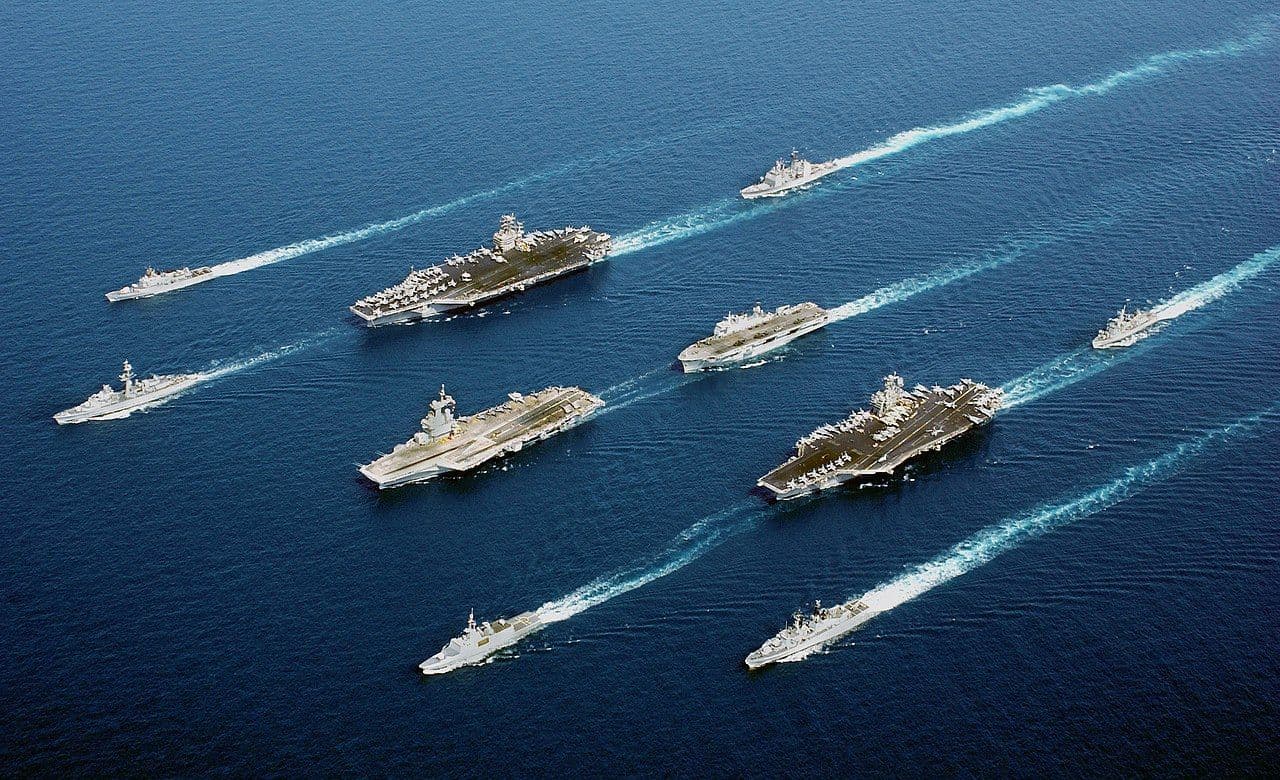
On 28 July 2026, the Department of War said U.S., Philippine and Japanese forces conducted a multilateral maritime cooperative activity inside the Philippines’ exclusive economic zone. The department framed the activity as part of the three countries’ effort to strengthen maritime security and regional cooperation.
Key Statistics
- 3 military organizations participated in the maritime activity: the U.S. Navy, the Armed Forces of the Philippines and the Japan Maritime Self-Defense Force, according to the Department of War.
- 3 defence exercises were cited as part of Australia-Singapore defence cooperation in related historical regional context, according to the Minister for Foreign Affairs.
- 200 military personnel were cited in those Australia-Singapore defence exercises in related historical regional context, according to the Minister for Foreign Affairs.
Main Body
On 28 July 2026, the Department of War said the U.S. Navy, the Armed Forces of the Philippines and the Japan Maritime Self-Defense Force conducted a multilateral maritime cooperative activity inside the Philippines’ exclusive economic zone. The department said the activity demonstrated the participants’ commitment to maritime security and cooperation.
The Department of War identified the main operational detail as a three-party naval activity conducted within the Philippines’ EEZ. In practical terms, the statement presented the event as a coordination measure among U.S., Philippine and Japanese forces operating together at sea.
The activity sat within a broader pattern of Indo-Pacific defence and resilience cooperation. On 27 July 2026, the Minister for Foreign Affairs said Australia and Singapore had strengthened defence ties through joint military exercises and had signed arrangements covering economic resilience and essential supplies. A related ministerial release said the protocol supported energy security and critical supply chains.
The development mattered because the Department of War linked the activity to maritime security in a key Southeast Asian waterway. The Minister for Foreign Affairs also described regional cooperation as a way to support stability and trust, while the ministerial release tied resilience measures to keeping essential supplies moving during disruptions.