Key Developments
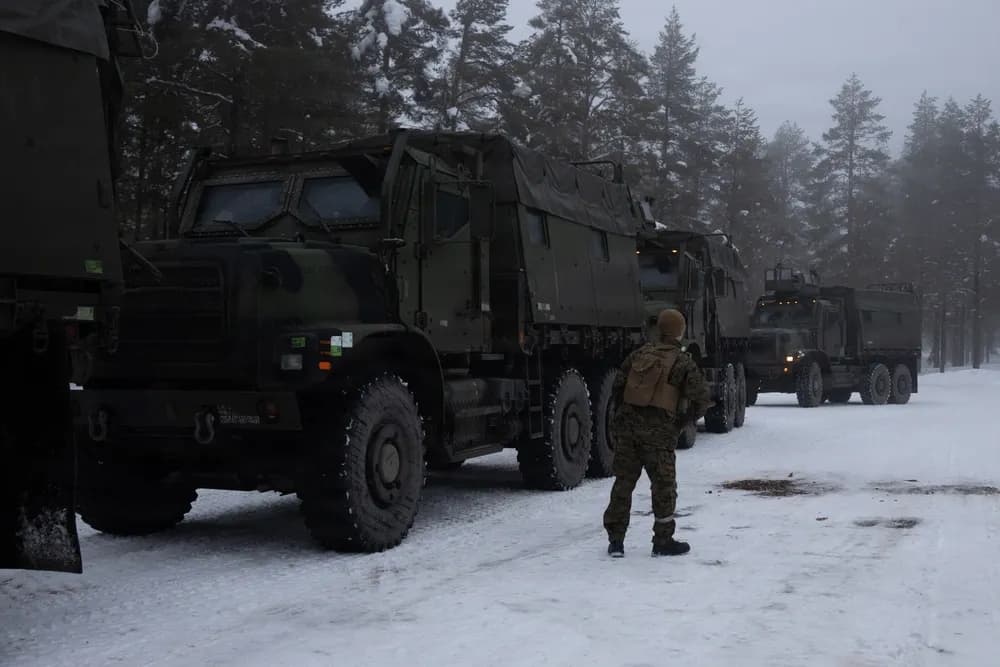
On 14 September 2026, the Danish Armed Forces said more than 400 soldiers from 11 NATO countries trained rescue operations in Greenland during Arctic Shield, with the exercise focused on medical evacuation and cooperation in difficult Arctic terrain.
Key Statistics
- More than 400 soldiers took part in the Greenland rescue training, according to the Danish Armed Forces
- 11 NATO countries participated in the Arctic Shield rescue exercise, according to the Danish Armed Forces
- 8 hours were used for the critical rescue operation training, according to the Danish Armed Forces
Main Body
On 14 September 2026, the Danish Armed Forces said more than 400 soldiers from 11 NATO countries had practised critical rescue operations in Greenland as part of Arctic Shield. The training focused on operating in demanding Arctic terrain and improving allied readiness for rescue and medical evacuation tasks.
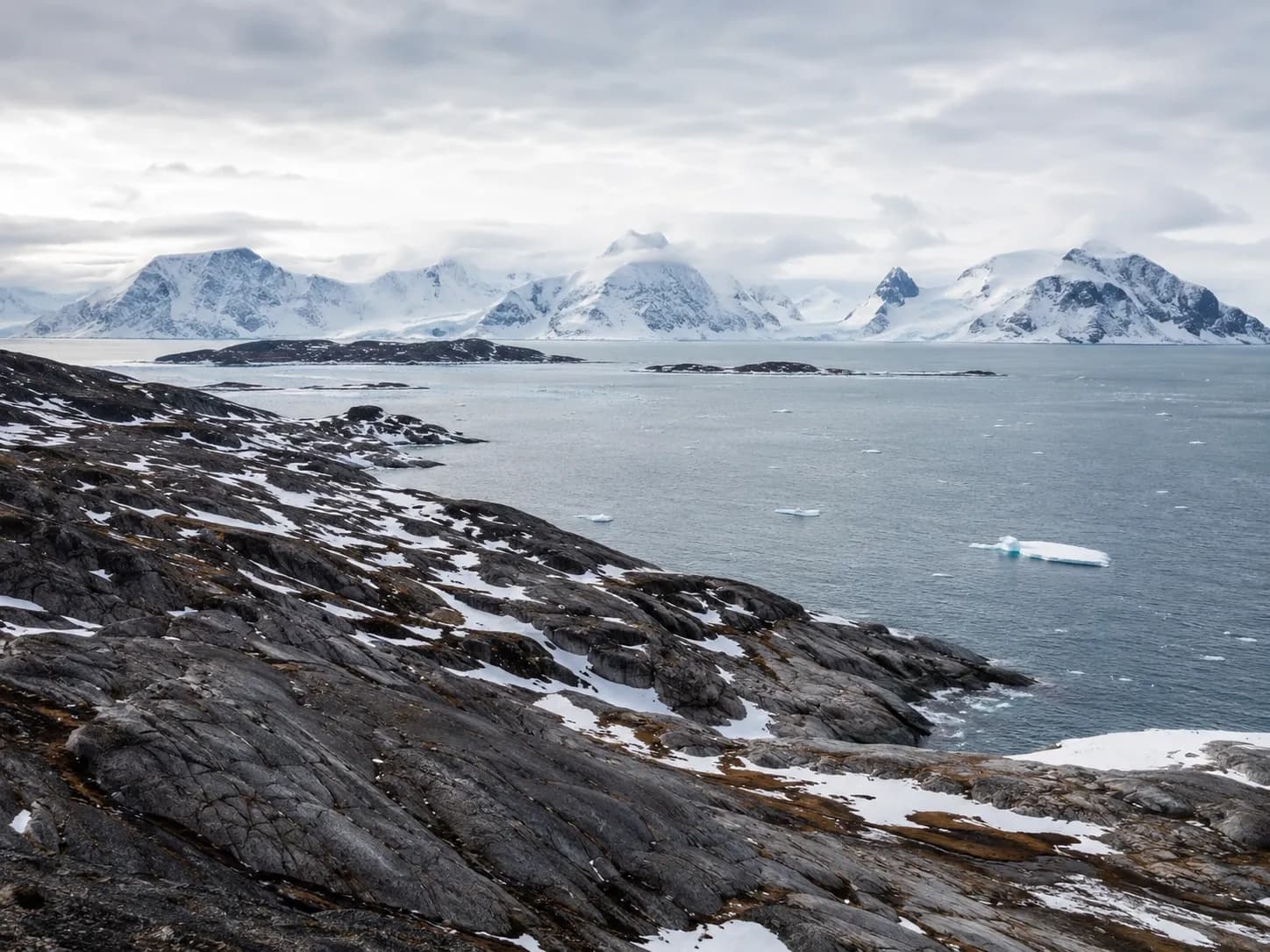
The Danish Armed Forces said the exercise gave participating forces an opportunity to rehearse cooperation under realistic conditions, including medical evacuation scenarios. The activity took place in Greenland, where climate, distance and terrain make rescue planning and command coordination central operational requirements.
The drill followed earlier Arctic Shield preparations announced on 1 September 2026, when the Danish Armed Forces said around 400 soldiers from 10 nations were preparing to train in southern Greenland and around Kangerlussuaq. On 10 September 2026, the Danish Armed Forces said the exercise was under way near Narsarsuaq with more than 400 soldiers from 11 NATO nations.
The Danish Armed Forces presented Arctic Shield as part of efforts to strengthen NATO activity in the Arctic and High North. In practical terms, the rescue training mattered because it tested allied coordination in a region where harsh conditions can complicate military movement, emergency response and support to future operations.