Key Developments
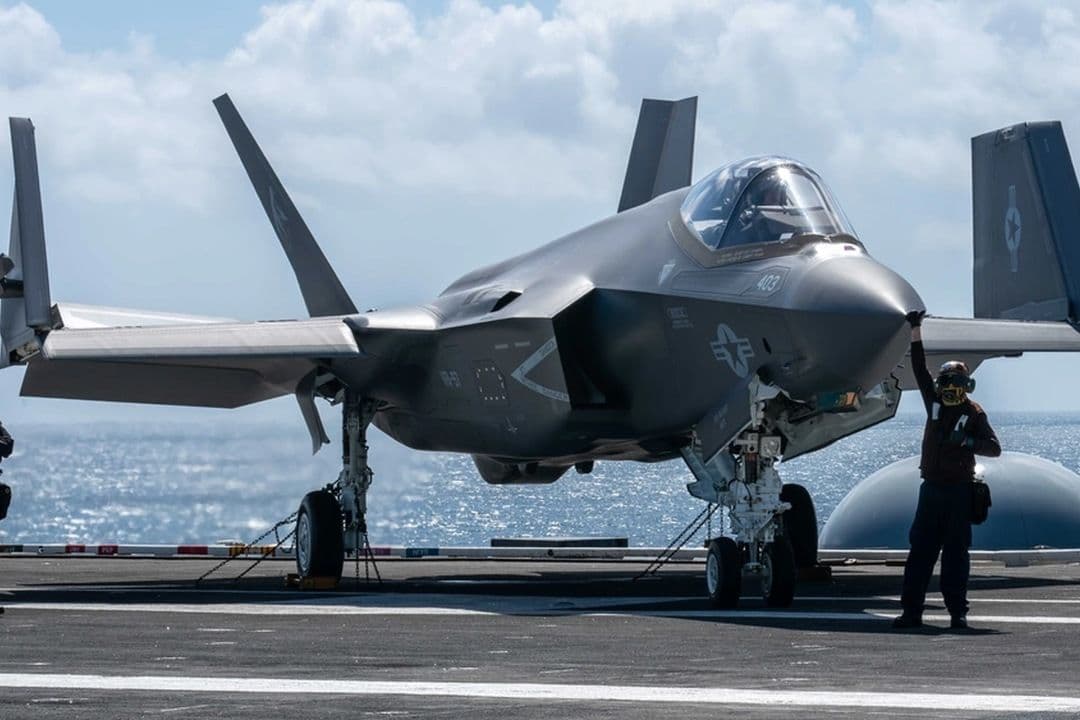
On 18 September 2026, the Netherlands Ministry of Defence said four F-35 users proved cross-border resource sharing, while the Swedish Armed Forces reported a German-Swedish reinforcement operation on Gotland. The Finnish Government, HM Government and the Netherlands Ministry of Defence also advanced personnel, housing and logistics measures linked to readiness.
Key Statistics
- £9.2 billion in Defence Housing Strategy investment was cited by HM Government
- 30 company representatives joined Dutch logistics resilience discussions, according to the Netherlands Ministry of Defence
- 200 days was the maximum training duration addressed in Finland’s draft cooperation bill, according to the Finnish Government
- 3 Nordic countries were covered by the expanded command-and-control procurement cooperation, according to the Finnish Defence Forces
- 2 framework agreements supported that Nordic command-and-control cooperation, according to the Finnish Defence Forces
Main Body
On 18 September 2026, European defence authorities announced a set of readiness measures spanning air power, Baltic reinforcement, logistics, military housing and personnel law. The Netherlands Ministry of Defence said Belgium, Denmark, the Netherlands and Norway had tested F-35 resource sharing during the Weapons Instructor Course, and the Swedish Armed Forces said German and Swedish units had begun a reinforcement operation on Gotland.
The Netherlands Ministry of Defence said the Capacity on Call arrangement covered aircraft, munitions and technical support, giving participating air forces more flexible access to available F-35 capability. The Finnish Government opened consultation on a draft bill to clarify the status of Finnish Defence Forces personnel in international tasks, including NATO-linked service. HM Government announced family housing reforms, and the Netherlands Ministry of Defence said it had discussed a less vulnerable logistics system with industry.
The measures followed related government action earlier in September. On 11 September 2026, the Netherlands Ministry of Defence said it was developing a new service model for future threats. On 10 September 2026, the Finnish Defence Forces said Denmark had joined Nordic cooperation on command-and-control systems with Finland and Sweden.
The practical significance was that governments were addressing both combat deployment and the support systems needed to sustain it. The Swedish Armed Forces said the Gotland operation involved securing Visby port and protecting sea and air transport, key tasks for Baltic defence planning. The housing, logistics and legal measures mattered because they targeted personnel retention, supply resilience and deployability, according to the issuing governments.