Key Developments
On 6 October 2026, the European Commission adopted pre-enlargement policy reviews to prepare the EU for future accessions, while a related European Commission Q&A linked the work to security, prosperity and Russia's war against Ukraine.
Key Statistics
- 6 enlargement partners were identified in the European Commission pre-enlargement review material.
- €157 million in historical Growth Plan funding for Moldova was announced by the European Commission.
- €661 million in total historical Growth Plan funding for Moldova was cited by the European Commission.
- 5 actions were included in the European Commission migration reform plan referenced in the enlargement policy context.
Main Body
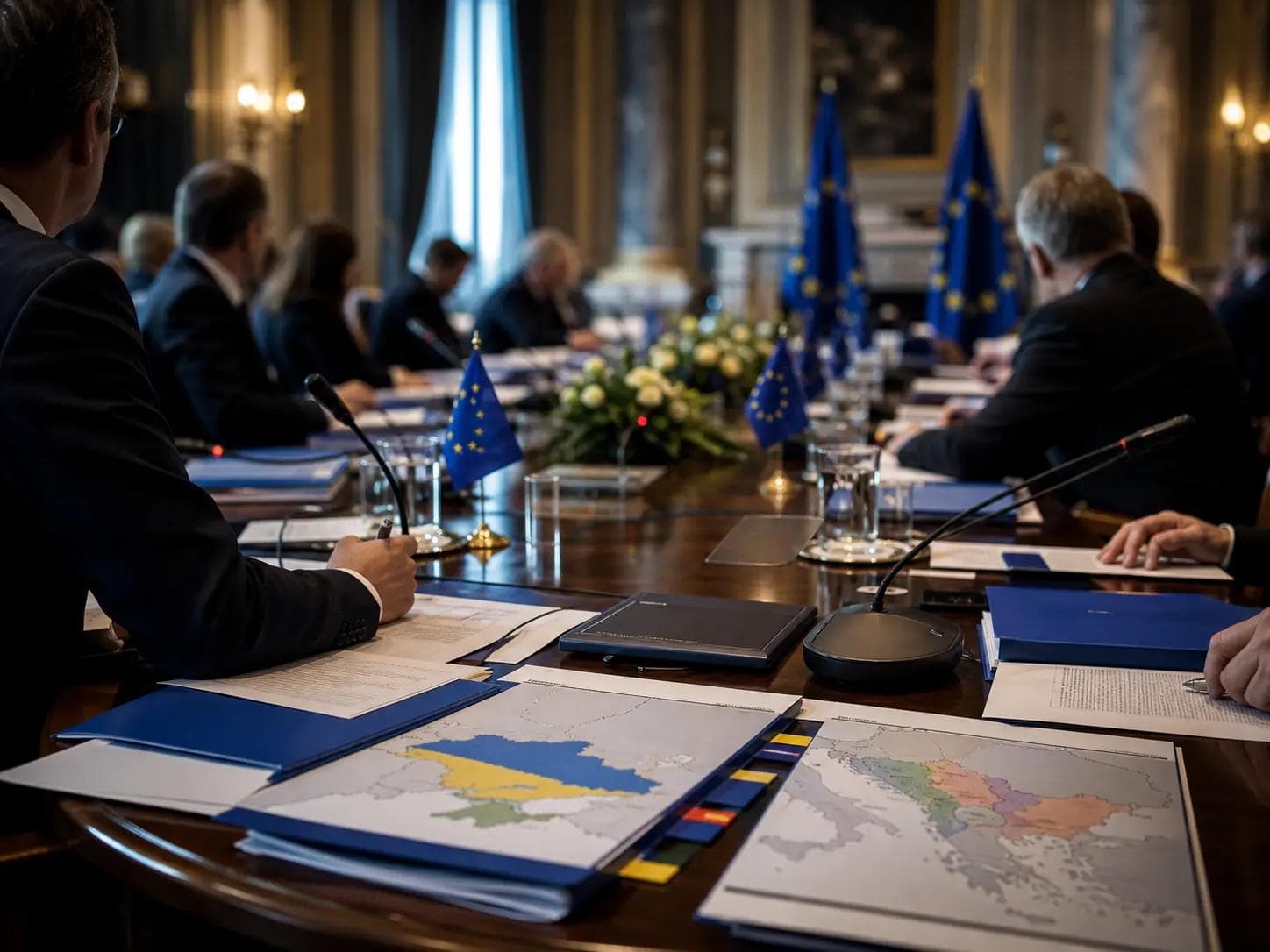
On 6 October 2026, the European Commission adopted a package of pre-enlargement policy reviews intended to prepare the European Union for future members. In a separate Q&A, the European Commission said enlargement remained tied to the EU's peace, security and prosperity agenda, particularly after Russia's aggression against Ukraine.
The European Commission said the package set policy orientations for governance, Union values, sector policies and budgetary arrangements. The same European Commission announcement said the work also focused on administrative capacity and implementation readiness inside the EU and in candidate countries, with pre-accession support linked to Global Europe.
The move followed recent institutional scrutiny of enlargement costs and security implications. On 28 September 2026, the European Parliament recorded a written question on the budgetary and financial consequences of enlargement. On 25 September 2026, the European Parliament recorded a separate written question on migration, border and security implications. On 5 October 2026, the European Commission announced €157 million for Moldova under Growth Plan funding.
The practical significance was institutional and geopolitical. The European Commission framed enlargement preparation as a way to strengthen the Union while ensuring new members upheld EU rules and values. The European Commission package therefore gave EU institutions and candidate countries a policy framework for managing accession without separating security, budgeting and governance questions from the enlargement process.