Key Developments
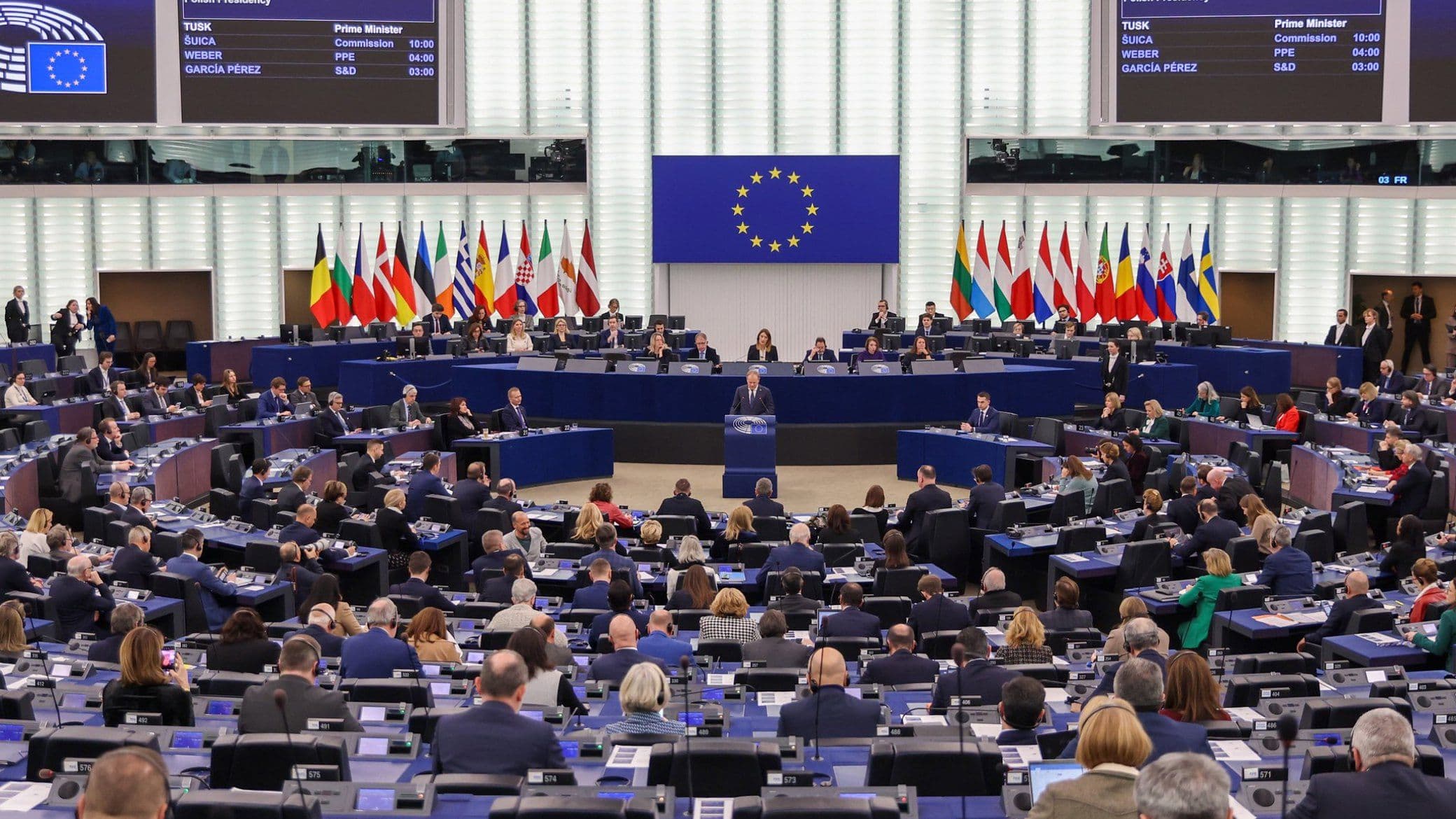
On 10 June 2026, European Parliament and Council negotiators reached an agreement to strengthen EU defence readiness by streamlining intra-EU transfers and procurement and backing up to €800 billion in investment, according to the European Parliament.
Key Statistics
- €800 billion in defence investment supported over 4 years
- 42 days for intra-EU defence transfer permit decisions
- 60 days maximum extension for complex permit cases
- 102 days maximum total permit processing time when extended
Main Body
On 10 June 2026, the European Parliament said Parliament and Council negotiators had agreed measures to strengthen Europe’s defence readiness. The agreement aimed to accelerate defence investment, simplify procurement, and facilitate intra-EU transfers of defence-related products. The Parliament said the package was expected to support up to €800 billion in defence investment over the next four years.
The Parliament detailed new administrative timelines intended to speed cross-border transfers. National authorities would decide on transfer permits within 42 days, with a possible extension of up to 60 days in complex cases, setting a maximum of 102 days when extended, according to the European Parliament. The measures were designed to ease movement of defence items within the single market and improve responsiveness to security challenges.
Recent EU and allied discussions provided policy continuity. A high-level meeting hosted by the European Commission on 28 May 2026 highlighted integrating climate resilience into defence planning and procurement. The NATO Parliamentary Assembly also underscored increased defence investment and critical infrastructure protection, and its declaration called for sustained resources to strengthen deterrence, according to the NATO Parliamentary Assembly.
By setting clear permit deadlines and simplifying intra-EU transfers, the Parliament indicated the agreement was intended to reduce bottlenecks and speed delivery of military equipment within the Union, according to the European Parliament. The focus on industrial coordination and procurement aligned with allied calls for stronger collective defence and resilience outlined by the NATO Parliamentary Assembly and the European Commission.