Key Developments
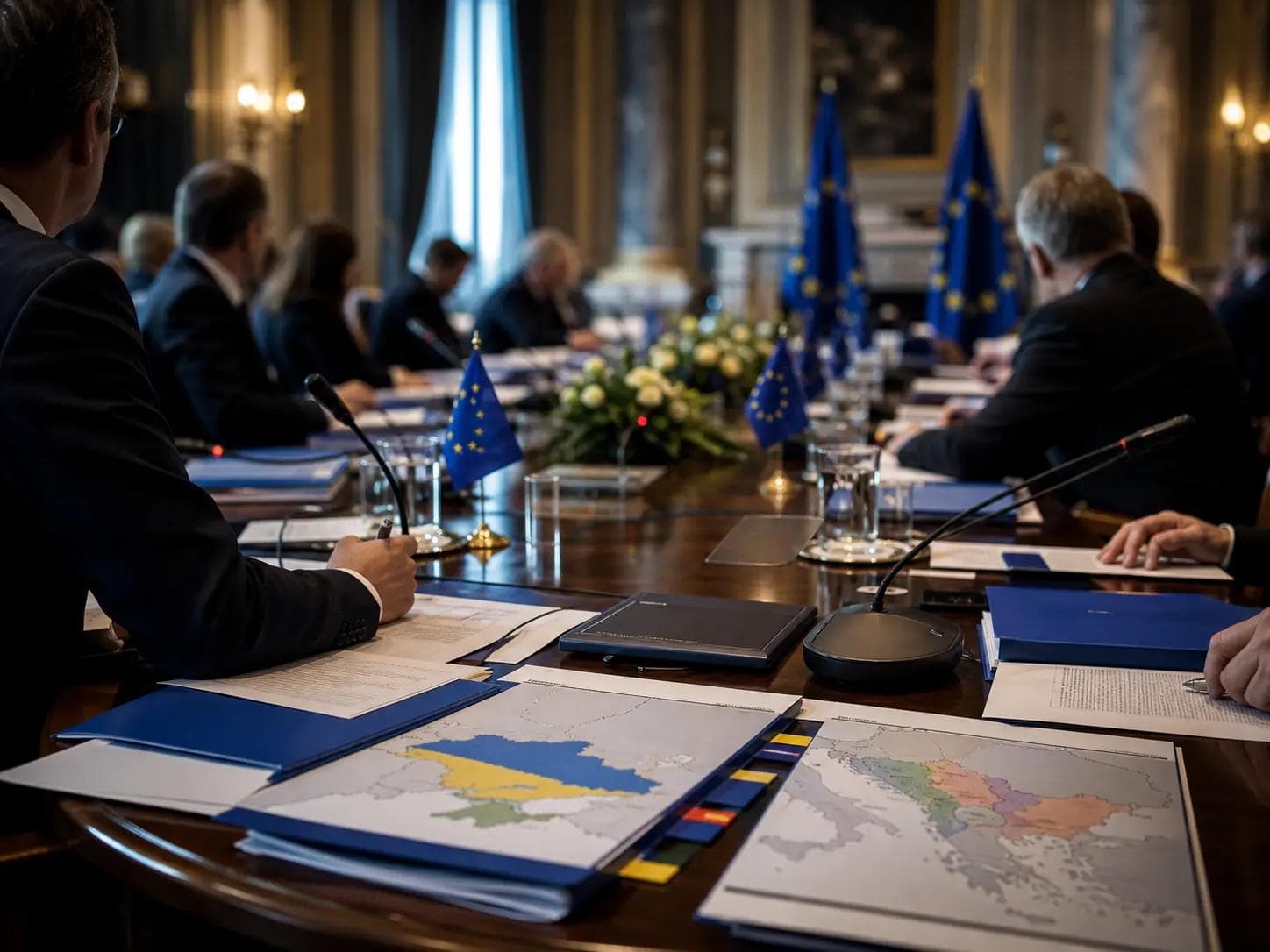
On 24 July 2026, the Netherlands Ministry of Foreign Affairs said the EU had adopted a new Russia sanctions package targeting oil revenue, shadow-fleet activity, military personnel and sanctions evasion. The ministry said the measures were intended to increase pressure on Russia over its war against Ukraine.
Key Statistics
- €91 billion in estimated Russian export losses was cited by the Netherlands Ministry of Foreign Affairs
- €300 billion in Russian assets was described as frozen under EU measures
- $44.10 was set as the oil price cap level referenced in the sanctions package
- 216 sanctioned targets were listed in connection with the new measures
- €28 billion in private assets was identified as frozen under related sanctions
- 37 countries were cited historically by France as part of the Coalition of Volunteers supporting Ukraine
- €90 billion in EU support for Ukraine was cited historically by France
Main Body
On 24 July 2026, the Netherlands Ministry of Foreign Affairs said the European Union had adopted its latest sanctions package against Russia, with measures aimed at reducing Russian oil revenue, disrupting shadow-fleet activity and closing routes used to bypass existing restrictions. The ministry linked the decision to Russia’s continued aggression against Ukraine.
The Netherlands Ministry of Foreign Affairs said the package froze the oil price cap until July 2027, imposed visa bans on Russian military personnel and added sanctions against nearly 100 Russian banks and companies. The ministry also said the measures targeted entities involved in sanctions circumvention, making enforcement and financial isolation central parts of the package.
The decision followed earlier European policy activity focused on sanctions enforcement and Ukraine support. On 13 July 2026, the European Parliament recorded a written question on enforcing EU sanctions against financial networks linked to the Iranian regime. On 17 July 2026, France’s Ministry for Europe and Foreign Affairs described a 37-country Coalition of Volunteers supporting Ukraine.
The sanctions mattered because the Netherlands Ministry of Foreign Affairs presented them as a way to constrain revenue, mobility and financial access tied to Russia’s war effort. In practical terms, the package reinforced the EU’s use of economic pressure alongside military and diplomatic support for Ukraine, while keeping sanctions evasion and oil-market enforcement at the center of European foreign policy.