Quick Brief
This week saw significant developments in drone warfare and defense diplomacy. Russian and Ukrainian drone strikes targeted critical infrastructure and healthcare facilities, causing civilian casualties and disrupting logistics. In Sudan, a devastating drone attack on a hospital marked a severe escalation in violence against healthcare. Meanwhile, the conflict involving Iran, the US, and Israel entered its second month, with insurgent tactics and regional spillover raising global security concerns. Against this backdrop, Ukraine expanded defense cooperation with Gulf Arab states, and the EU-Australia trade deal underscored the growing strategic importance of defense-industrial partnerships.
Drone Strikes Amplify Civilian and Infrastructure Toll in Conflict Zones
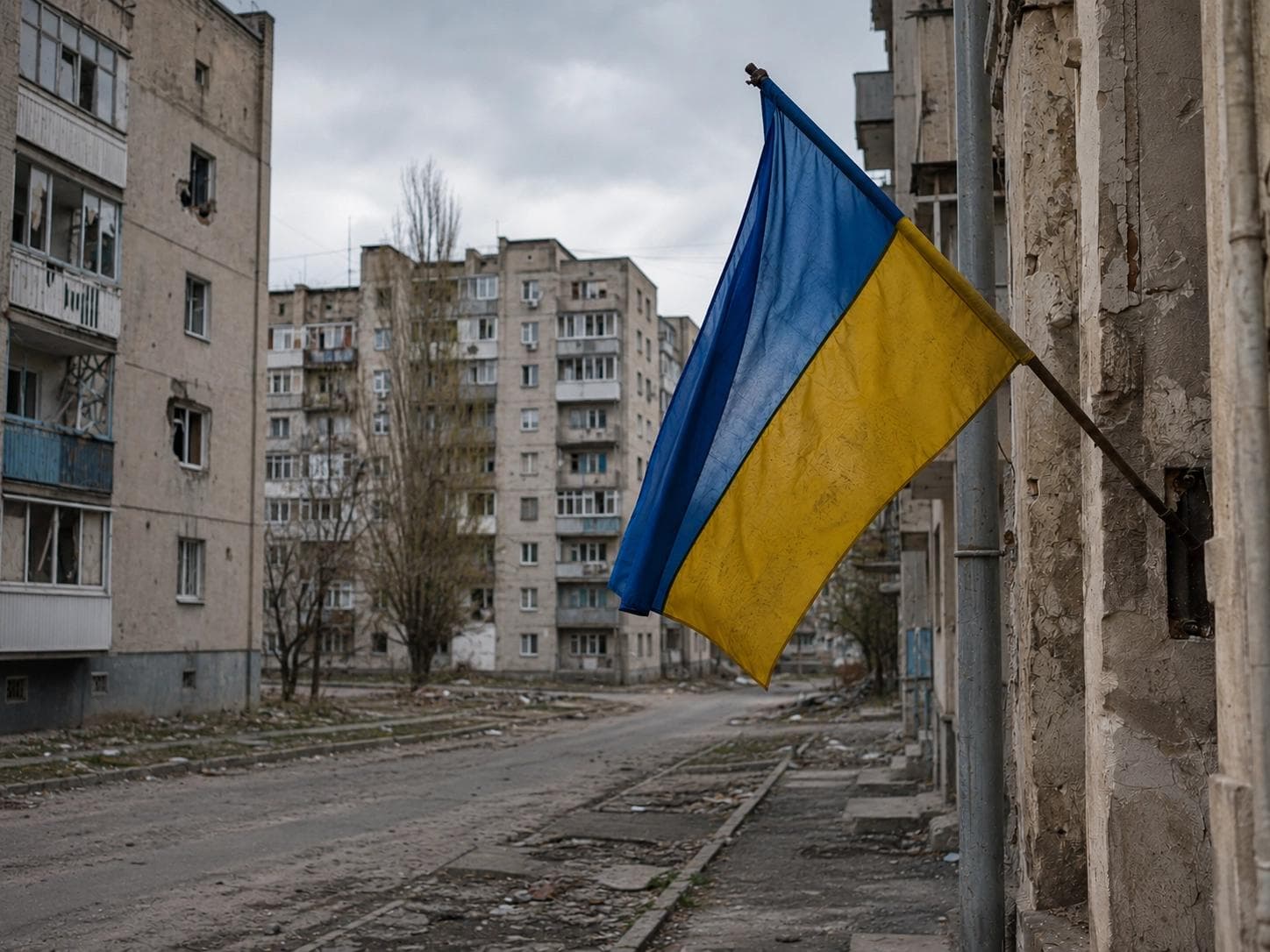
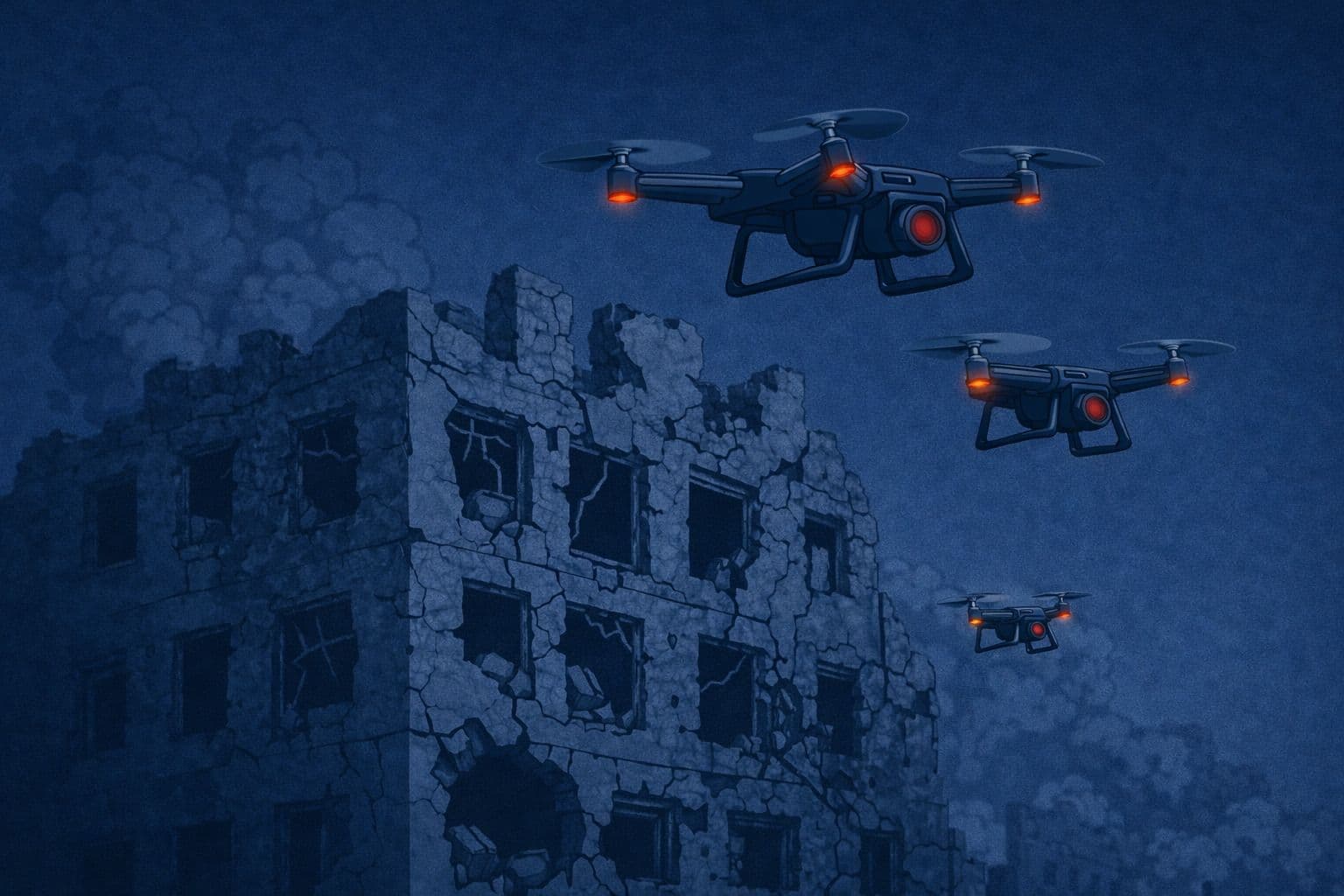
This week, drone warfare intensified in multiple conflict zones, underscoring the growing role of unmanned systems in modern warfare and their impact on civilian infrastructure. According to Reuters, Russian drone strikes in Ukraine killed four people and damaged critical infrastructure, including a port facility and a maternity hospital. These attacks not only inflicted civilian casualties but also disrupted essential transport and healthcare services, highlighting the humanitarian cost of drone-enabled assaults.
Simultaneously, Ukrainian forces launched drone attacks on Russia’s Ust-Luga port, as reported by Reuters. The strikes produced thick smoke and forced a halt to cargo loadings, potentially affecting Russia’s export flows and regional shipping activities. This demonstrates how drone capabilities are increasingly used to target economic and logistical nodes, aiming to degrade adversaries’ operational capacities beyond the battlefield.
In Sudan, the use of drones took a particularly tragic turn. A drone strike on Ed Dain Teaching Hospital in East Darfur killed at least 64 people, including children and medical staff, and injured nearly 90, according to the Sudan INGO Forum. The hospital was the only functioning public medical facility in the area, and its destruction has cut off lifesaving services for hundreds of thousands. This attack represents a grave escalation in the targeting of healthcare infrastructure amid an already strained health system and raises serious concerns about violations of international humanitarian law.
The intensification of drone strikes in these diverse theaters reflects a broader trend where unmanned systems are reshaping conflict dynamics, increasing risks to civilians and critical infrastructure, and complicating humanitarian responses.
Iran Conflict’s Regional Ripple Effects Heighten Security and Economic Risks
One month into the conflict involving Iran, the US, and Israel, the war’s effects have expanded well beyond direct combat zones, impacting regional security, trade, and daily life across the Middle East. A detailed analysis by NPR highlights how tensions around the Strait of Hormuz and threats to energy infrastructure have disrupted shipping and trade routes vital to global markets.
The conflict has seen Iran adopt insurgent-style tactics, including proxy operations and asymmetric attacks, complicating direct military responses and blurring attribution, according to AP News. These actions have heightened risks to global energy supplies and increased volatility in financial markets, effectively holding parts of the world economy hostage.
On the ground, Iranians are grappling with lost livelihoods, bombings, and uncertainty about the future, as reported by AP News. Heightened security measures and economic strain are affecting families and businesses, underscoring the human cost of the conflict.
The regional dimension of the war was further underscored when an Iranian strike on a Saudi air base wounded several U.S. service members, and Israel intercepted a missile launched from Yemen, according to NPR. These incidents illustrate the widening scope of hostilities and the increasing risk of broader regional escalation.
The ongoing conflict’s multifaceted impact on security, energy, and economies across the Middle East demands careful strategic management by involved and neighboring states to prevent further destabilization.
Ukraine Strengthens Defense Ties with Gulf States Amid Ongoing Conflict
In a notable diplomatic and defense development, Ukrainian President Volodymyr Zelenskyy secured agreements to deepen cooperation with Gulf Arab states, signaling Kyiv’s efforts to broaden its international support base amid the protracted conflict with Russia. As reported by Ground News, Ukraine and the United Arab Emirates agreed to collaborate on defense matters, reflecting growing security ties between Kyiv and Abu Dhabi.
Zelenskyy’s visit to Saudi Arabia, detailed by Ground News, focused on sharing Ukraine’s expertise in drone technology and exploring avenues for bilateral cooperation. This outreach to Gulf states represents a strategic pivot to engage influential regional players beyond Europe, potentially enhancing Ukraine’s military capabilities and diplomatic leverage.
However, the geopolitical complexities of Ukraine’s security situation remain evident. A dispute arose when Senator Marco Rubio denied Ukrainian claims that the US had requested Ukraine to cede territory in the Donbas region to Russia as part of a security deal, according to AP News. This disagreement highlights ongoing debates over Ukraine’s negotiation positions and the intricacies of international support amid the conflict.
These developments underscore Ukraine’s proactive diplomacy to diversify its defense partnerships and the continuing challenges in securing a favorable resolution to the war.
EU-Australia Trade Deal Signals New Strategic Defense and Economic Partnerships
Beyond immediate conflict zones, strategic partnerships are evolving to address broader security and economic challenges. The European Council on Foreign Relations reported that the recently concluded EU-Australia free trade agreement includes provisions for agricultural market access, Australian associate membership in the Horizon Europe research program, and notably, a new bilateral security and defense partnership.
This agreement lays a foundation for enhanced cooperation but requires rapid advancement in critical areas such as critical minerals, defense-industrial collaboration, and joint efforts to counter hybrid and grey-zone threats. These steps are part of Europe’s broader strategy to diversify partnerships amid concerns about US leadership reliability and increasing Chinese coercion.
The EU-Australia deal exemplifies how trade agreements are increasingly intertwined with strategic defense considerations, reflecting the interconnected nature of economic and security policies in a complex global environment.
Conclusion
This week’s defense landscape was marked by the intensification of drone warfare, with devastating impacts on civilians and infrastructure in Ukraine and Sudan, highlighting the evolving nature of modern conflict and humanitarian challenges. The Iran-US-Israel conflict’s regional spillover continues to disrupt security and economic stability across the Middle East, raising the stakes for global energy markets and regional diplomacy.
Meanwhile, Ukraine’s outreach to Gulf states for defense cooperation and the EU-Australia trade and security partnership illustrate shifting alliances and the growing importance of diversified strategic partnerships. These developments collectively underscore the dynamic and interconnected nature of contemporary defense challenges, where technology, diplomacy, and economic interests converge amid ongoing geopolitical tensions.