Lead Summary
The European Parliament is emphasizing the protection of the European Research Council's (ERC) independence in negotiations for the next Horizon Europe research funding programme. Concurrently, EU foreign ministers are discussing the possible extension and reinforcement of a naval mission in the Strait of Hormuz to safeguard commercial shipping amid heightened tensions involving Iran. Germany has voiced scepticism about expanding this mission, reflecting divisions within the EU. Additionally, France has threatened to block climate-related funds to India over perceived inaction.
Key Developments
-
The European Parliament, through draft reports by parliamentary rapporteurs, insists on maintaining the ERC’s researcher-driven mandate and strong independence from the European Commission’s proposals for Horizon Europe 2028-2034. This push aims to safeguard bottom-up, investigator-led research funding and peer-driven selection processes, reinforcing the role of independent experts in programme governance sciencebusiness.net sciencebusiness.net.
-
An internal European Commission memo reveals plans to update the Horizon Europe 2026-27 work programme with new large-scale, policy-driven calls targeting cross-cutting issues such as AI and decarbonisation, channeling significant funding to strategic priorities sciencebusiness.net.
-
EU foreign ministers are set to discuss extending and strengthening the Middle East naval mission 'EUOperation Aspides' in the Strait of Hormuz to protect shipping lanes and deter attacks amid regional instability linked to Iran. The discussion includes defining the mission’s mandate, timeline, and scope ground.news.
-
Germany has expressed reservations about expanding the naval mission, cautioning that it could escalate tensions and entangle EU forces in regional conflicts. This stance highlights differing views within the EU on security and diplomatic approaches to the Gulf region ground.news.
-
France has issued a warning that it may block climate finance funds to India, citing insufficient climate action. This move underscores ongoing tensions over international climate funding and may influence broader bilateral and multilateral relations ground.news.
What to Watch Next
- The outcome of Horizon Europe negotiations will be pivotal in shaping the future of EU research funding, particularly regarding the balance between independent scientific governance and Commission oversight.
- Decisions on the naval mission in the Strait of Hormuz will affect EU engagement in Middle Eastern security and energy route protection, with potential implications for relations with Iran and Gulf states.
- France’s stance on climate finance to India may impact international climate diplomacy and funding mechanisms ahead of upcoming global environmental summits.
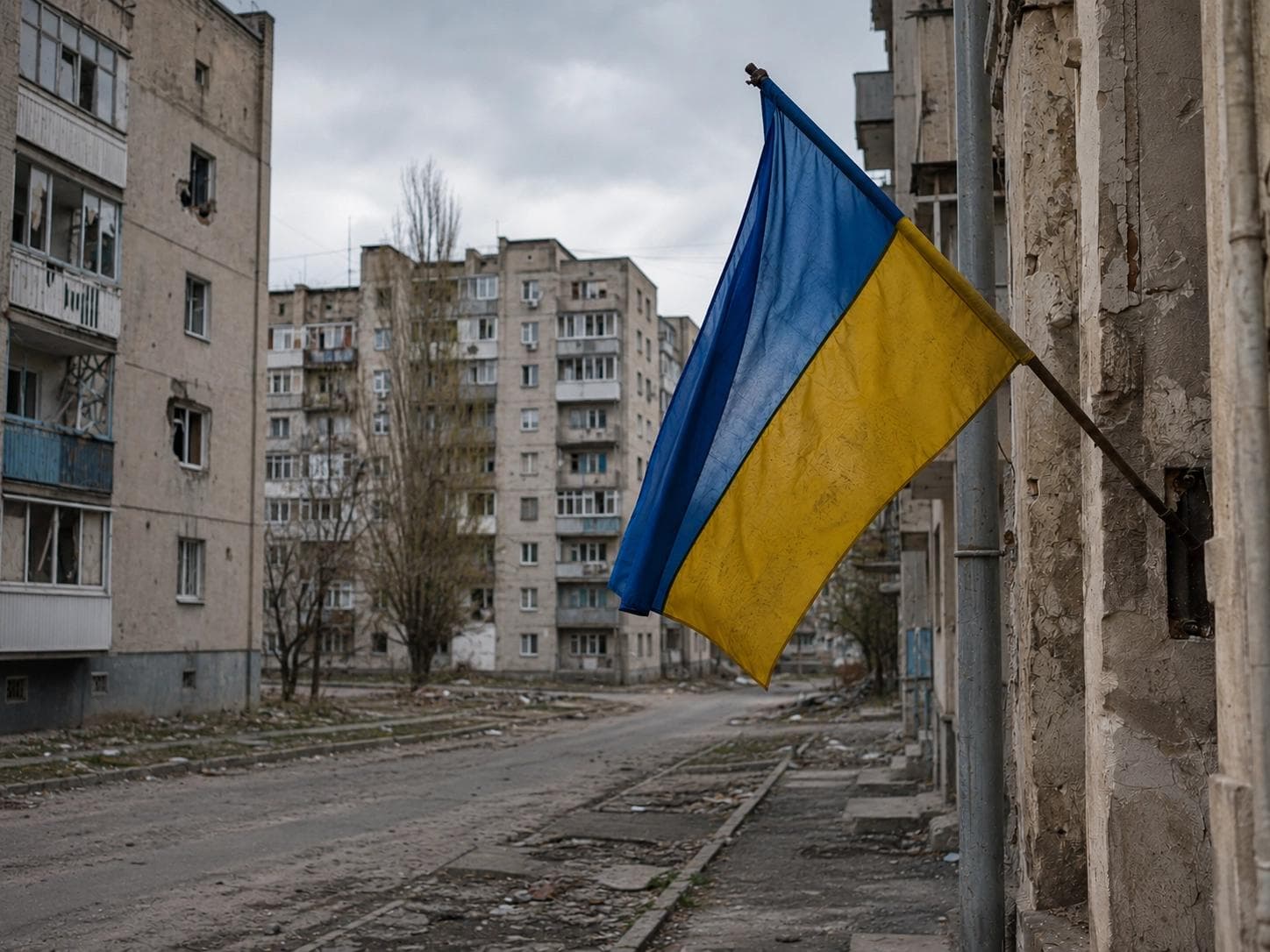
This briefing integrates ongoing developments from recent days, including European allies’ talks with Iran on safe passage through Hormuz and the EU’s extension of sanctions related to Russia’s war on Ukraine, reflecting the complex geopolitical environment influencing EU policy decisions ground.news ground.news.