How to Think Like a Geopolitical Analyst
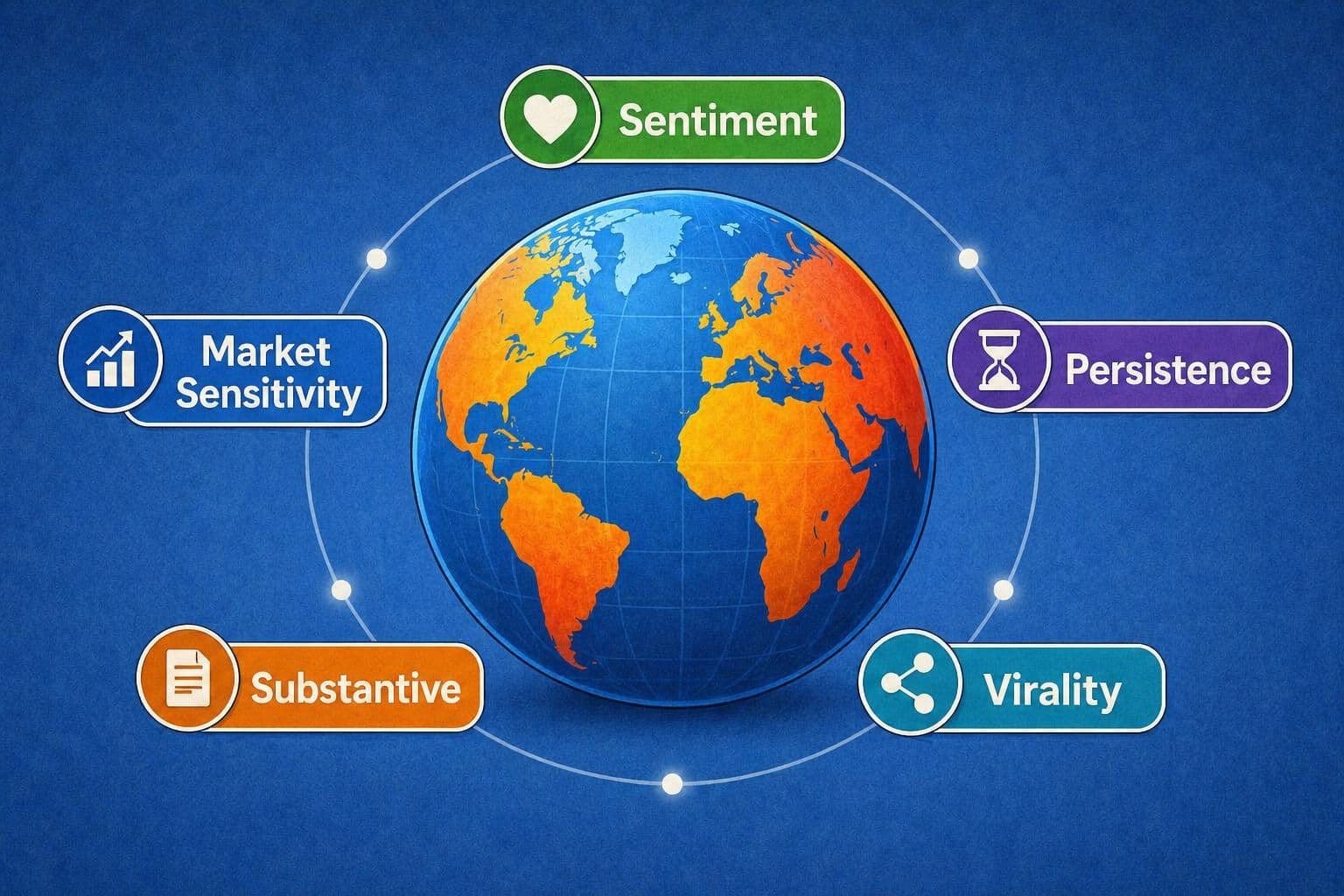
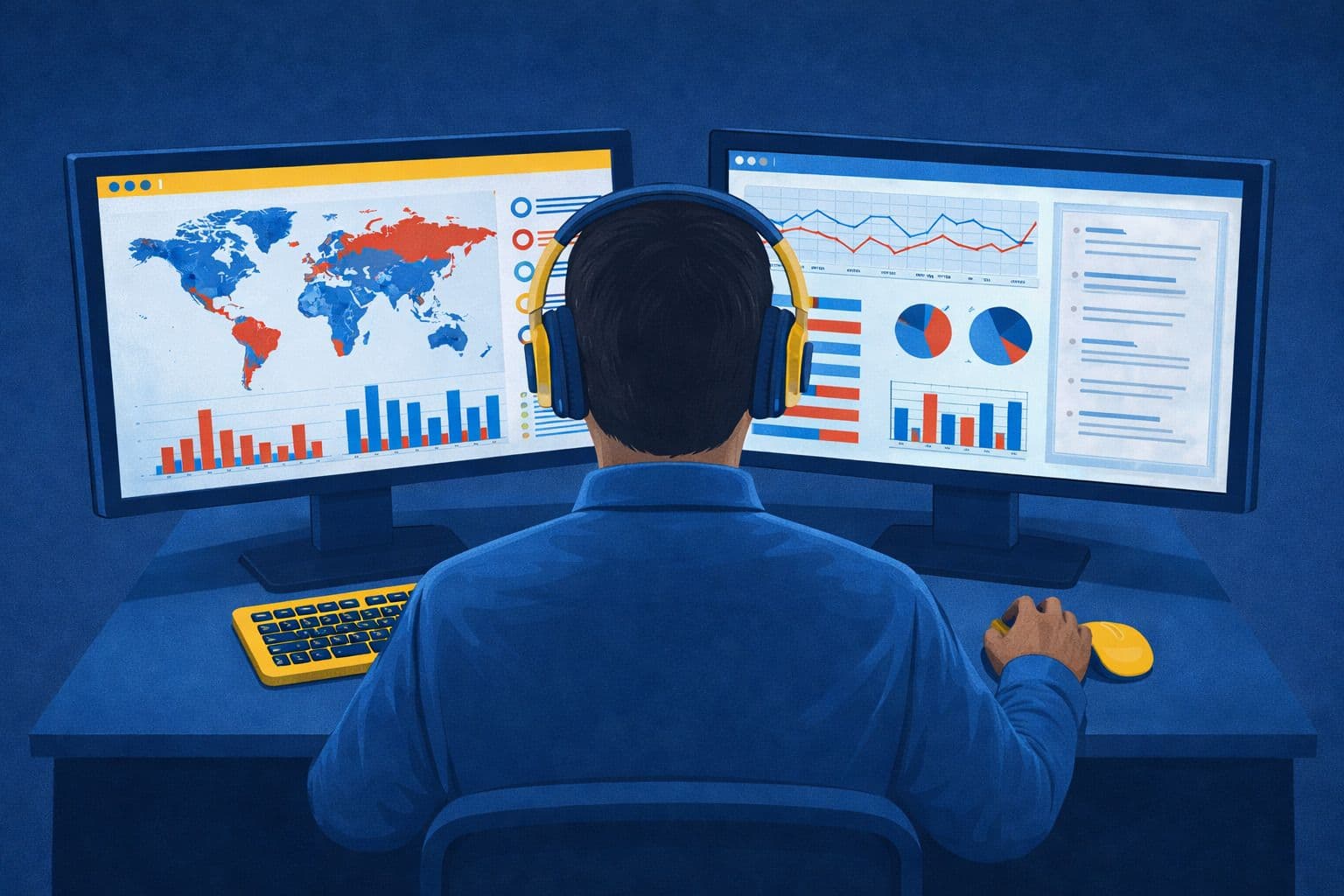
Understanding global events is not just about consuming news, it is about developing a structured way of thinking. Professional geopolitical analysts approach the world differently from casual observers. They focus on incentives, constraints, systems, and evidence rather than headlines alone.
For readers interested in geopolitics, learning this mindset can dramatically improve how conflicts, elections, and international developments are interpreted.
How Analysts Think
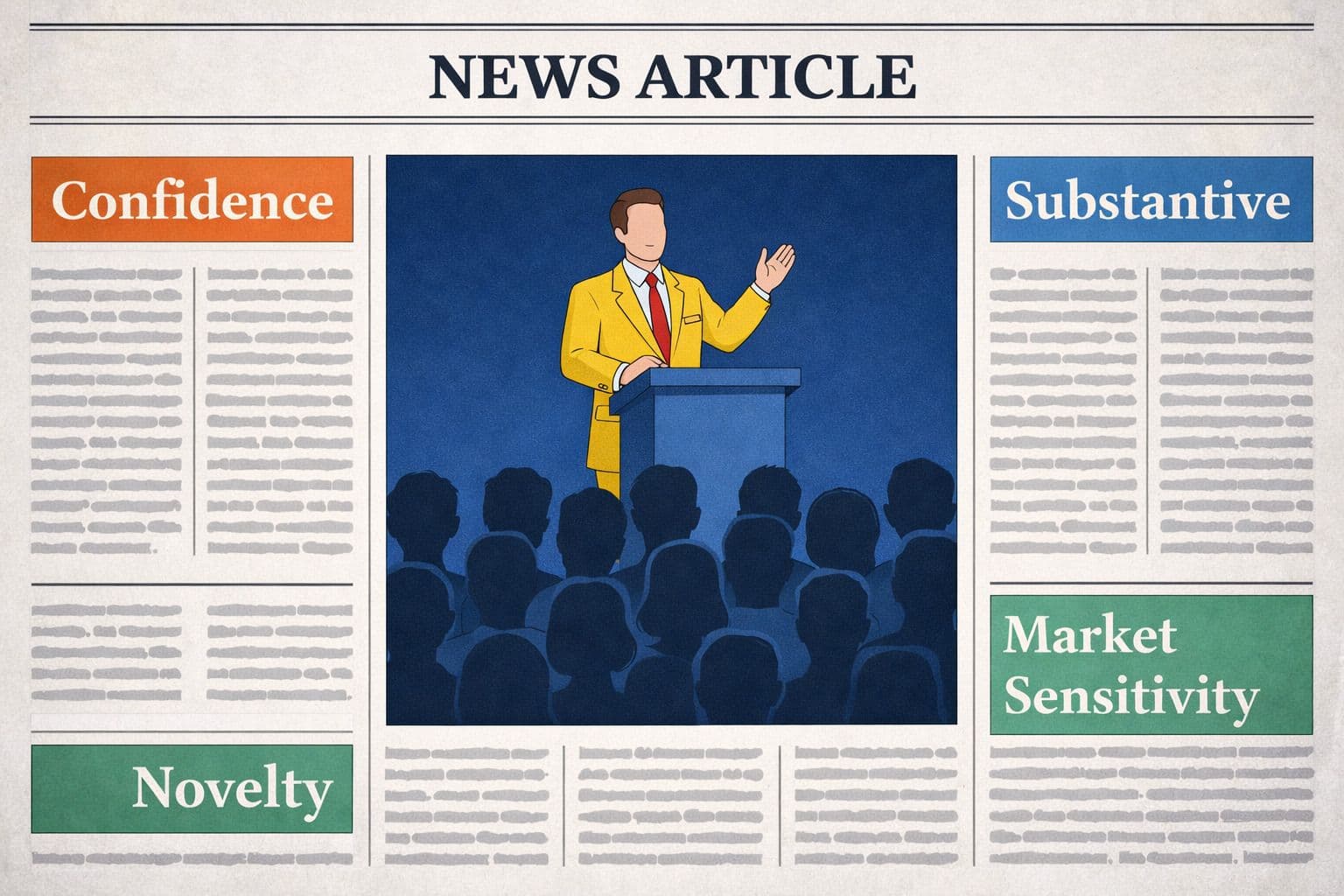
At its core, geopolitical analysis is about organizing information into explanations.
Rather than asking only what happened, analysts ask:
- Why did this happen?
- What forces made it likely?
- Who benefits?
- What constraints exist?
- What might happen next?
This shift from events to causes is essential. One methodological definition of geopolitics describes it as an analytical approach that places factual data at the center of inquiry to better understand global dynamics. (Geopolitique.eu)
Analysts are less interested in immediate reactions and more focused on patterns, incentives, and structural forces.
Methods Backed by Research
Professional analysis also relies on structured thinking tools.
Intelligence research emphasizes that analysts must examine how they reach conclusions, not just the conclusions themselves. Cognitive biases — such as confirmation bias or anchoring — can distort judgment if analysts are not aware of them. (CIA Tradecraft Primer)
To reduce errors, analysts often:
- consider multiple hypotheses
- evaluate competing explanations
- assess confidence levels
- separate evidence from assumptions
These methods are designed to improve accuracy in uncertain environments — a constant feature of geopolitics.
Why Discussion Improves Analysis
Another important but often overlooked factor is collaboration.
Analytical quality tends to improve when ideas are tested against alternative perspectives. Exposure to different viewpoints helps identify blind spots and challenge assumptions — a principle widely recognized in intelligence and research environments.
No single analyst has perfect information. Collective reasoning often produces better conclusions than isolated thinking.
Where Communities Fit In
For readers outside government or academic institutions, accessing collaborative analytical environments can be difficult. This is where public platforms and communities dedicated to geopolitical discussion can play a useful role.
Communities focused on global analysis — including initiatives like Global Political Spotlight (GPS) — aim to provide spaces where perspectives can be compared, frameworks can be learned, and geopolitical thinking can be practiced more openly.
The goal is not to replace professional analysis, but to make analytical thinking more accessible.
Taking the Next Step
If you want to apply these ideas in practice, a deeper guide is available here:
👉 How to Think Like a Geopolitical Analyst
Conclusion
Thinking like a geopolitical analyst does not require predicting the future perfectly. It requires understanding incentives, constraints, systems, and evidence well enough to interpret events intelligently.
As global politics becomes more complex and interconnected, developing these analytical habits becomes increasingly valuable — not only for professionals, but for anyone trying to understand the world more clearly.