Key Developments
On 3 July 2026, HM Government announced a 4.6 billion pound trilateral contract with Italy and Japan to advance Global Combat Air Programme fighter design. The deal formed part of an 8.6 billion pound four-year UK investment, targeted service by 2035, and support for 4,500 jobs and about 600 suppliers, according to HM Government.
Key Statistics
- £4.6 billion value of the UK-Italy-Japan GCAP design contract, per HM Government
- £8.6 billion UK commitment to GCAP-related work over 4 years, per HM Government
- 4,500 UK jobs supported by the programme, per HM Government
- 600 UK supply chain organisations engaged in GCAP activity, per HM Government
- Comparative: £298 billion total UK defence investment planned over the next 4 years, per an HM Government oral statement
Main Body
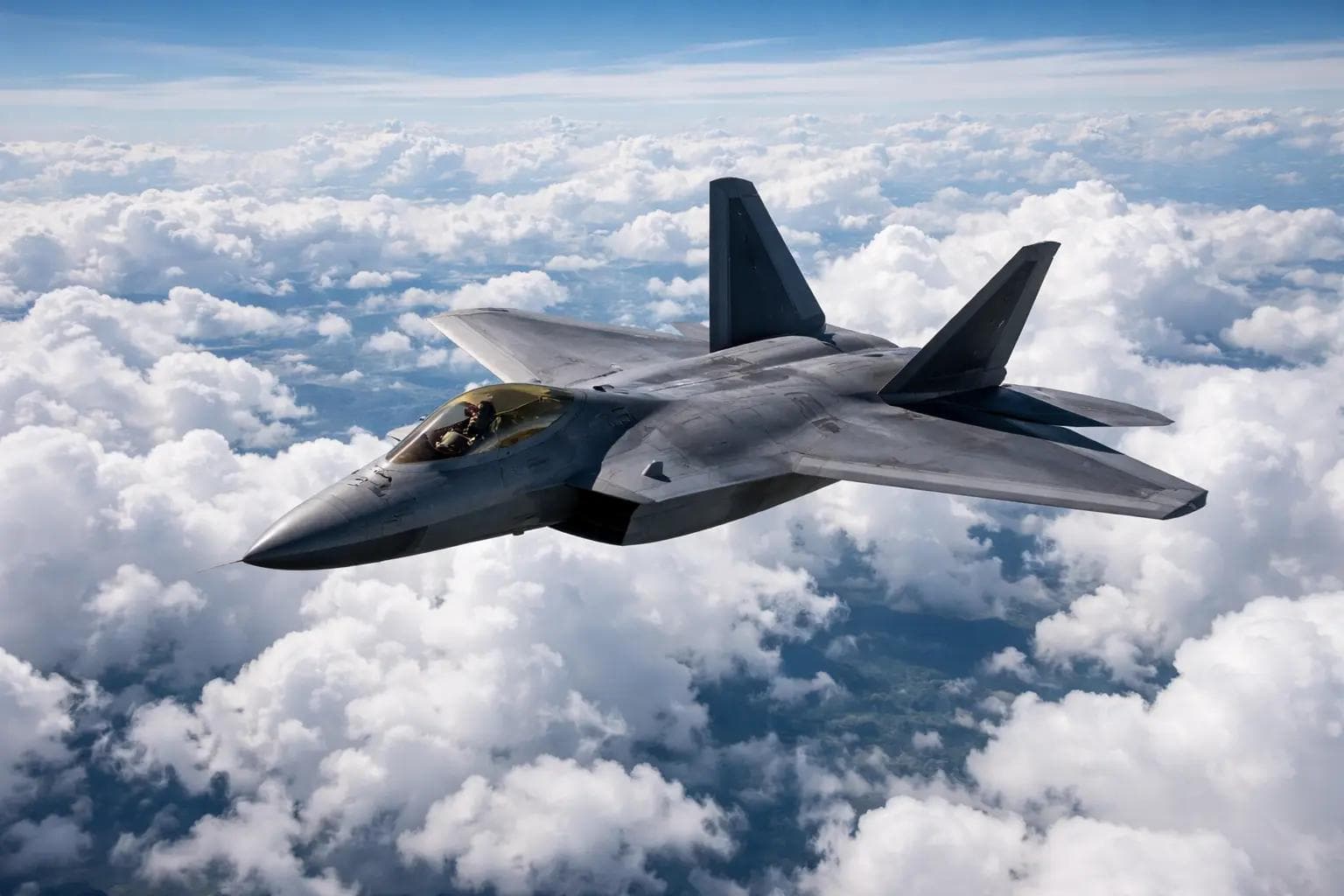
On 3 July 2026, the United Kingdom confirmed a new 4.6 billion pound contract with Italy and Japan to advance the design phase of a next-generation fighter under the Global Combat Air Programme, according to HM Government. The government said the deal was part of an 8.6 billion pound four-year investment and that the sixth-generation aircraft was expected to enter service by 2035 using artificial intelligence and digital engineering, as outlined by HM Government.
The programme’s design work supported 4,500 skilled UK jobs and involved about 600 supply chain organisations, strengthening the national aerospace industrial base, according to HM Government. The UK, Italy and Japan coordinated the design to ensure interoperability and shared development of key systems under GCAP, the government said in its announcement.
This move followed the publication of the Defence Investment Plan on 30 June 2026, which committed 298 billion pounds over the next four years, including an additional 15 billion pounds to raise ship and aircraft availability and modernise capabilities, according to an HM Government oral statement. The government also signalled a path toward nearly 80 billion pounds in annual defence spending by 2029 and a 2.7 percent of GDP level, as set out by HM Government.
The GCAP contract advanced allied airpower development while reinforcing UK manufacturing capacity and high-skilled employment. It also aligned with a broader European shift toward joint defence projects, amid Ground News reporting that the European Commission proposed five major cross-border defence initiatives to deepen cooperation among EU states. In practical terms, the UK’s trilateral programme positioned British industry and the armed forces to integrate emerging technologies faster across allied fleets, the government said.