Key Developments
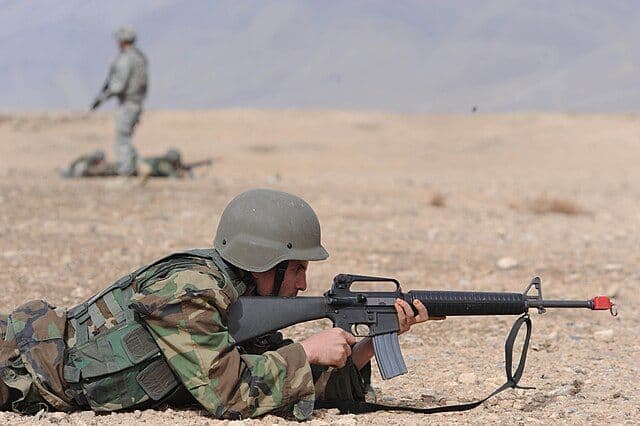
On 5 June 2026, HM Government said the UK-led Operation Interflex had entered a specialist phase for Ukraine, shifting to aviation, medical, and engineering courses to build long-term capability. The programme had trained over 63,000 personnel with support from about 11,000 instructors.
Key Statistics
- 63,000 Ukrainian personnel trained under Operation Interflex
- 11,000 military instructors involved in delivery
- £21.8 billion total UK support to Ukraine cited by HM Government
- £13.0 billion in UK military support committed
- £5.3 billion in UK non-military support committed
- £3.5 billion UK export finance cover limit available
Main Body
On 5 June 2026, the UK confirmed that Operation Interflex, its multinational training programme for Ukrainian personnel, had moved into a new specialist phase, focusing on aviation, medical, and engineering skills to strengthen Ukraine’s long-term capacity, according to HM Government. The government said the programme had trained over 63,000 people since inception and involved about 11,000 instructors from the UK and partners.
The HM Government statement said the transition would prioritise technical training areas to sustain and scale Ukrainian capabilities. It also cited the UK’s broader support package, including £13 billion in military assistance, £5.3 billion in non-military support, and a £3.5 billion export finance cover limit, contributing to a total of £21.8 billion in UK support to Ukraine.
Allied training and readiness activities across Europe continued alongside Interflex. On 27 May 2026, the Department of War reported Sword 26 in Estonia, where U.S. soldiers and National Guard cyber professionals trained with Estonian forces to defend critical infrastructure networks. On 26 May 2026, the Bundeswehr said over 650 soldiers exercised securing train unloadings and convoys during Vigilant Roland to protect logistics hubs.
Administrative measures also supported mobility and sustainment. On 5 June 2026, the European Commission introduced an eLearning course on Military Mobility and the use of Form 302 under the Union Customs Code, intended to streamline cross-border movement of military goods. Together, these training and facilitation steps indicated a coordinated approach to bolster Ukraine’s force generation and the resilience of allied logistics and infrastructure across Europe.