Key Developments
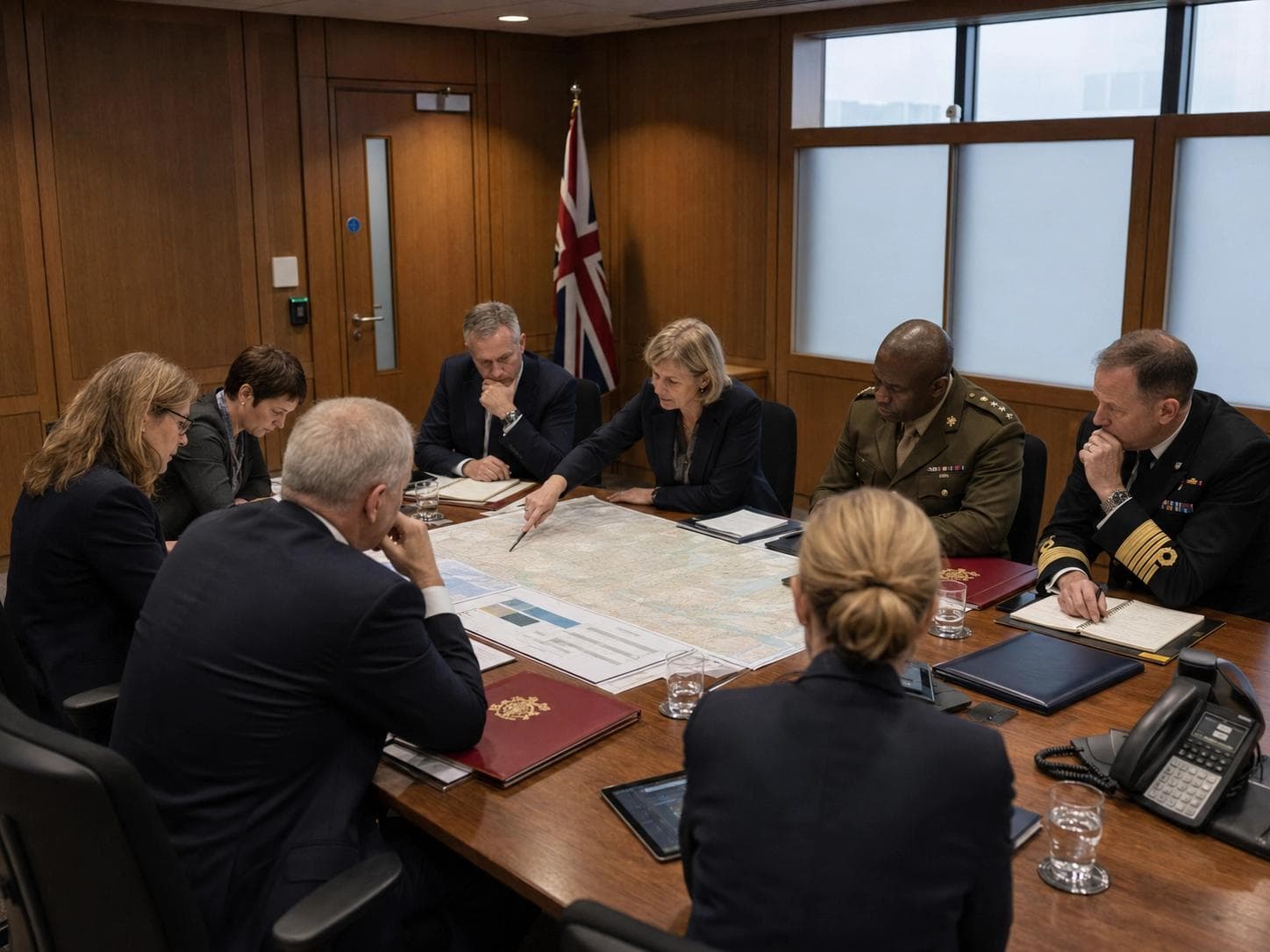
On 8 July 2026, HM Government said the UK led a 12-country European deep precision strike effort worth more than $50 billion, while HM Government, the Netherlands Ministry of Defence and Australia's Minister for Defence announced related medical, industrial and counter-drone measures.
Key Statistics
- More than $50 billion committed by 12 countries for European deep precision strike over 10 years, according to HM Government.
- Up to 2,000 km planned target range for deep precision strike weapons, according to HM Government.
- £3 billion UK contribution for advanced missile investment, according to HM Government.
- £50 million for UK Defence Medical capability, according to HM Government.
- $5.7 million Australian contract for the R400 SLINGER counter-drone system, according to the Minister for Defence.
- 3 main elements in the Dutch Defence Industry Resilience Act proposal, according to the Netherlands Ministry of Defence.
Main Body
On 8 July 2026, HM Government said the UK was leading a 12-country European deep precision strike initiative that would commit more than $50 billion over 10 years to long-range weapons for NATO deterrence. On the same day, HM Government announced £50 million for battlefield medicine, the Netherlands Ministry of Defence said the Dutch cabinet approved a Defence Industry Resilience Act proposal, and Australia's Minister for Defence announced a $5.7 million counter-drone contract.
According to HM Government, the strike programme was aimed at weapons able to engage targets up to 2,000 km away and included a £3 billion UK contribution to advanced missiles. HM Government said the medical funding covered Tactical Combat Casualty Care equipment, dried blood products, blood-clotting medication and field hospital equipment. The Netherlands Ministry of Defence said the proposed law had 3 main elements, protection of defence firms, support for international defence projects and measures to secure critical materials in a crisis. Australia's Minister for Defence said Electro Optic Systems would develop the R400 SLINGER system under Mission Syracuse.
The announcements followed allied procurement moves, as GPS previously reported, and fitted wider government programmes. On 30 June 2026, HM Government outlined a Defence Investment Plan of £298 billion over 4 years, including £15 billion of additional funding for training and the availability of ships and aircraft. On 7 July 2026, NATO said 12 Allies launched a critical raw materials project, and NATO said Allies would invest more than $40 billion in counter-drone capabilities and drone training.
The government statements linked front-line capability with defence-industrial resilience: HM Government tied precision strike to NATO deterrence, HM Government said medical investment was intended to improve survivability, the Netherlands Ministry of Defence said critical raw materials were needed to produce and maintain military equipment, and Australia's Minister for Defence said Mission Syracuse supported sovereign counter-drone technology.