Key Developments
On 29 March 2026, the foreign ministers of Germany, France, Italy and the United Kingdom issued a joint statement expressing deep concern about a proposed Israeli bill to expand the use of the death penalty and urged Israeli leaders to abandon the proposal, according to the Ministry for Europe and Foreign Affairs and HM Government.
Key Statistics
- 4 foreign ministers issued the joint statement opposing expansion of the death penalty in Israel
Main Body
On 29 March 2026, the foreign ministers of Germany, France, Italy and the United Kingdom publicly opposed a proposed bill in Israel that would expand the application of the death penalty. The ministers said they were deeply concerned about the measure’s potential discriminatory impact and warned it posed risks to Israel’s commitments as a democratic state that upholds human rights. They called on Israeli leaders to abandon the proposal, according to the Ministry for Europe and Foreign Affairs and a matching release from HM Government.
In their joint message, the ministers framed the issue as one that engaged fundamental legal protections and human rights standards. They argued that broadening capital punishment risked discriminatory application and could undermine core democratic principles. The coordinated appeal asked Israeli authorities to halt the bill’s progress, setting out a clear preference for approaches consistent with rights protections and the rule of law, as reflected in the text published by the Ministry for Europe and Foreign Affairs and reiterated by HM Government.
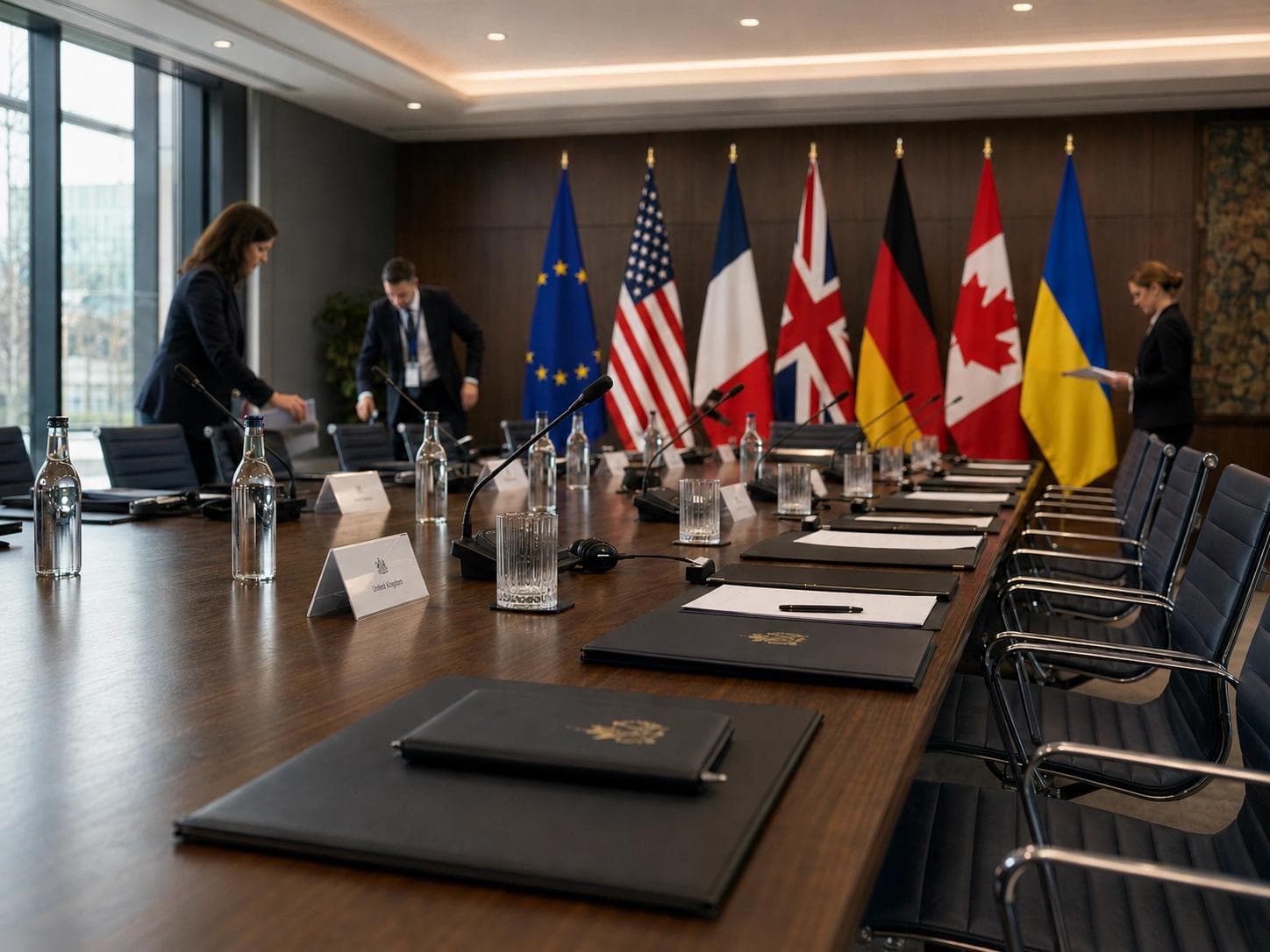
The statement fitted into a wider pattern of recent European diplomatic engagement on Middle East stability and human rights. On 21 March 2026, G7 foreign ministers, under France’s presidency, voiced support for regional partners facing attacks by Iran and its proxies and reaffirmed commitments to civilian protection and regional security, according to the Ministry for Europe and Foreign Affairs. On 27 March 2026, the G7 also emphasized reducing harm to civilians and restoring safe navigation in the Strait of Hormuz, the Ministry for Europe and Foreign Affairs reported. At the United Nations, the UK highlighted human rights concerns in the Occupied Palestinian Territory while explaining its vote on a draft resolution at the Human Rights Council, and separately condemned Iranian aggression in an urgent debate on Iran, according to HM Government and HM Government.
The joint opposition to expanding capital punishment in Israel carried broader significance for regional diplomacy and rule-of-law signaling. It underscored a coordinated European effort to influence policy through public diplomacy at a moment of heightened regional strain. The announcement came amid reporting of continued violence on the Israel Lebanon frontier, after an Israeli soldier from Connecticut was killed in southern Lebanon, as AP News noted. It also coincided with maritime security concerns around the Strait of Hormuz, where France had engaged partners on navigation safety, consistent with recent G7 messaging, as Ground News reported and the Ministry for Europe and Foreign Affairs highlighted. Taken together, the coordinated ministerial stance on the Israeli bill and the parallel emphasis on civilian protection and de-escalation signaled that European governments were prioritizing legal safeguards and human rights as part of their broader approach to regional security and stability.