Key Developments
On 15 July 2026, HM Government announced UK Defence Innovation priorities, HM Government confirmed British-made artillery barrels had reached Ukraine, the European Commission opened Ukraine Facility defence investment options, and NATO reported allied spending and Ukraine support commitments.
Key Statistics
- £400 million in annual UK Defence Innovation funding, according to HM Government
- 5 core UK Defence Innovation technology themes, according to HM Government
- 150 British-made artillery barrels delivered to Ukraine, according to HM Government
- £61 million contract value for the British-made artillery barrels, according to HM Government
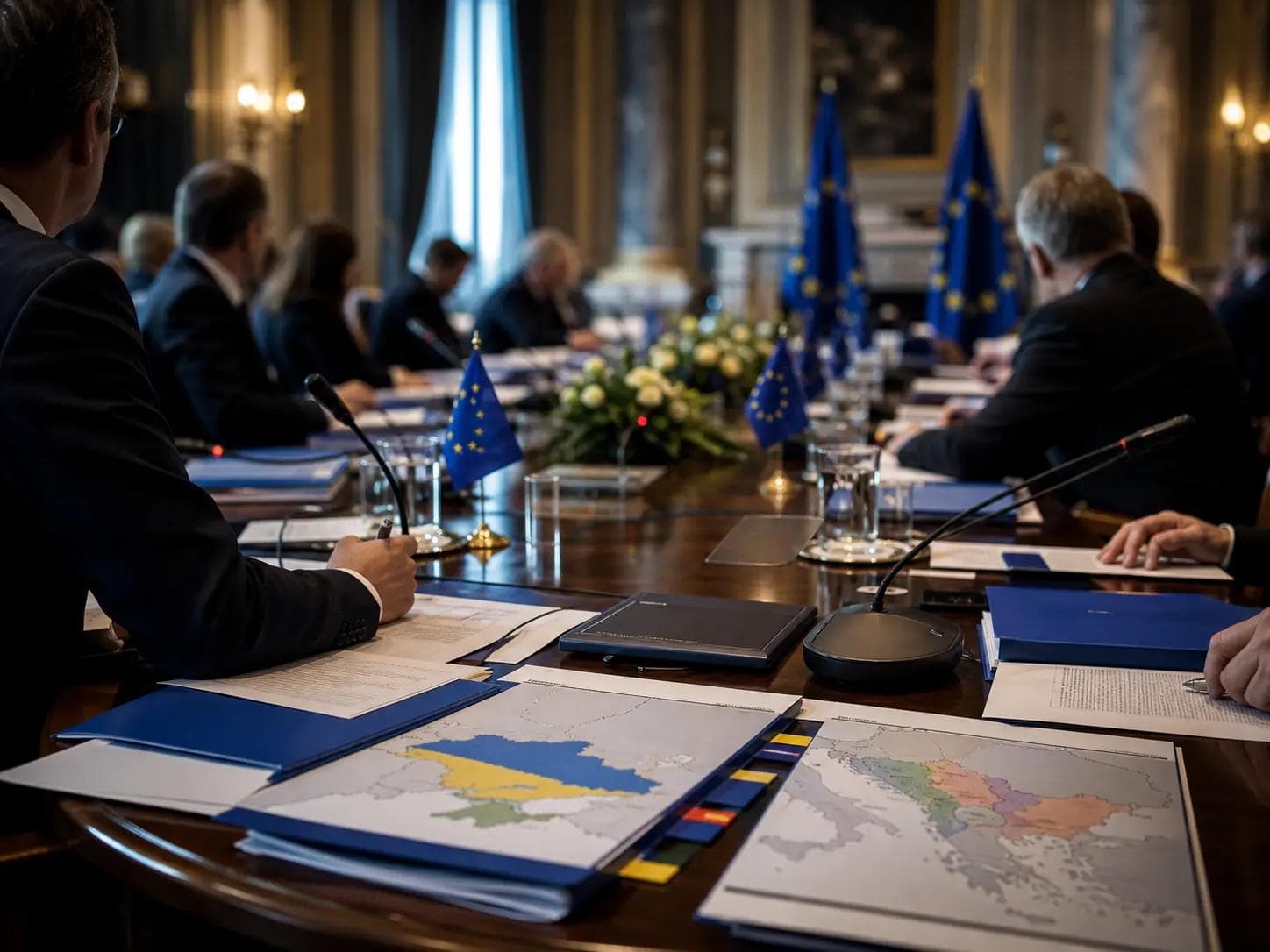
- €1 billion in Ukraine Facility investment opportunities for dual-use and defence-related industries, according to the European Commission
- €70 billion in military aid for Ukraine cited by NATO
- $50 billion in new procurements cited by NATO
Main Body
On 15 July 2026, HM Government said the United Kingdom had delivered the first British-made artillery barrels to Ukraine, while the European Commission announced Ukraine Facility financing opportunities for dual-use and defence-related industries. On the same date, NATO set those steps against allied commitments on defence investment and support for Ukraine.
HM Government said UK Defence Innovation would focus work with businesses and the Armed Forces on autonomy, decision advantage, logistics and support, effects, and protection, backed by annual funding of at least £400 million. HM Government said Sheffield Forgemasters produced the artillery barrels under a £61 million contract, supporting domestic industrial capacity and Ukraine’s battlefield requirements.
The announcements followed related July defence-industrial measures. On 13 July 2026, HM Government launched a 35-university Defence Universities Alliance backed by £182 million, as GPS previously reported. On 3 July 2026, the European Commission proposed five joint defence projects, with Ukraine involved in four.
The measures mattered because they connected weapons supply, industrial finance, skills development and allied procurement. NATO said Allies were investing around 4% of GDP in defence and had committed to a 5% objective, while citing €70 billion in military aid for Ukraine and $50 billion in new procurements. That made defence industry capacity a central instrument of security policy for Ukraine and allied deterrence.