Key Developments
On 22 June 2026, the Bundeswehr said Defence Minister Boris Pistorius visited the 45th Armored Brigade in Lithuania during Freedom Shield 2026, where about 2,900 troops from eight NATO nations trained. The Bundeswehr reported 2,400 German soldiers and roughly 800 vehicles took part, underscoring readiness against threats, particularly from Russia.
Key Statistics
- 2,900 troops training in Lithuania during Freedom Shield 2026
- 2,400 German soldiers participating in the exercise
- 800 vehicles deployed for the drill
- 350 drones integrated in related training, historical per Bundeswehr
- 8 participating NATO nations in the exercise framework
Main Body
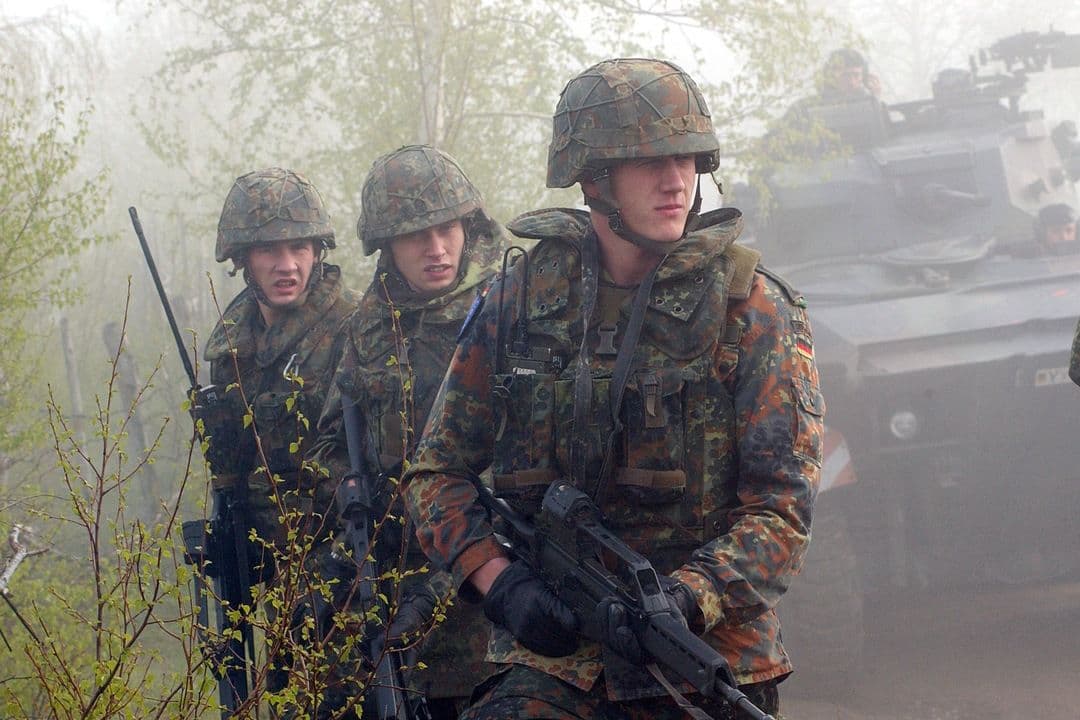
On 22 June 2026, the Bundeswehr said Defence Minister Boris Pistorius visited the 45th Armored Brigade in Lithuania during Freedom Shield 2026, a multinational exercise involving about 2,900 troops from eight NATO nations. The Bundeswehr added that around 2,400 German soldiers and roughly 800 vehicles participated, with the drill intended to strengthen readiness and demonstrate NATO’s resolve to protect its territory against threats, particularly from Russia.
The Bundeswehr described the exercise as focused on combined-arms training and allied interoperability. In related coverage, the Bundeswehr highlighted extensive integration of drone operations at the Pabradė training area, characterizing the drill as an innovation driver for modern combat training. Earlier in June, the Bundeswehr reported realistic combat scenarios in Lithuania that included responding to drone threats and complex battlefield tasks.
The Bundeswehr previously noted eight participating nations and cited the use of about 350 drones in associated training activities, underscoring the scale of experimentation and adaptation within Freedom Shield 2026. This continuity emphasized NATO’s push to integrate emerging technologies alongside traditional maneuver forces.
Pistorius’s visit and the multinational force package signaled allied commitment to deterrence on NATO’s eastern flank, according to the Bundeswehr. The exercise’s emphasis on interoperability, mobility with 800 vehicles, and counter-drone proficiency supported practical improvements in collective defense, contributing to regional stability and strengthening Germany’s role within NATO’s posture in the Baltic region, the Bundeswehr said.