Key Developments
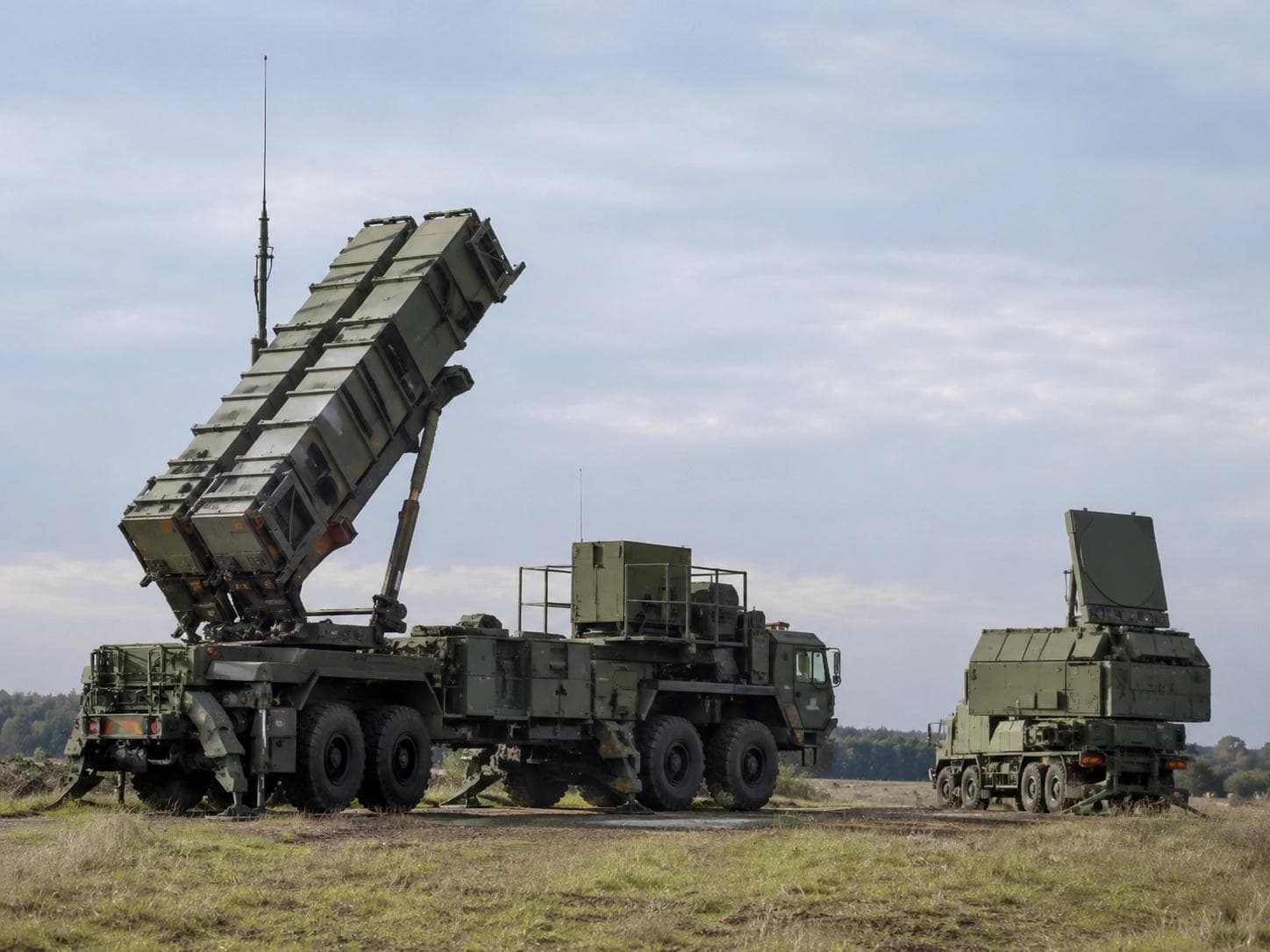
On 6 August 2026, the Minister for Defence announced a nearly A$736 million acquisition of AIM-260 Joint Advanced Tactical Missiles for the Royal Australian Air Force. The Minister for Defence said Australia would be the first country outside the United States to operate the missile.
Key Statistics
- A$736 million for Australia’s planned AIM-260 missile acquisition
- A$36 billion in Australian guided weapons and explosive ordnance investment
- 6 key capability priorities in Australia’s defence innovation strategy
- 2 Defence Research Centres planned for Australia’s defence innovation ecosystem
- A$160 million maximum value of a recent Australian combat helmet contract
Main Body
On 6 August 2026, the Minister for Defence announced that the Albanese Government was investing nearly A$736 million to acquire AIM-260 Joint Advanced Tactical Missiles for the Royal Australian Air Force. The Minister for Defence said the purchase would make Australia the first operator of the missile outside the United States.
The Minister for Defence said the acquisition was intended to improve Australia’s air-to-air combat capability and strengthen interoperability with the United States. The Minister for Defence also linked the missile purchase to the 2026 National Defence Strategy and to Australia’s A$36 billion investment in guided weapons and explosive ordnance.
The announcement followed a series of Australian defence technology and industrial measures. On 4 August 2026, the Minister for Defence launched a 10-year Defence Innovation, Science and Technology Strategy focused on priorities including long-range fires, hypersonics and artificial intelligence. On 3 August 2026, the Department of Defence announced Australia’s first Defence Research Centre, and on 4 August 2026 the Minister for Defence announced an up to A$160 million combat helmet contract with Victorian firm Aquaterro.
The missile acquisition mattered because the Minister for Defence presented it as part of a wider effort to strengthen Australia’s defence posture. In practical terms, the package connected advanced weapons procurement with allied interoperability and the domestic innovation agenda described by the Minister for Defence, giving the Royal Australian Air Force a planned capability upgrade while aligning procurement with broader national defence planning.