Key Developments
On 23 June 2026, the European Parliament’s Foreign Affairs and International Trade committees backed a modernised EU Mexico partnership agreement, advancing tariff reductions, improved procurement access, and reinforced human rights provisions, according to the European Parliament.
Key Statistics
- 67 votes in favor recorded in committee endorsement
- 15 votes against registered in the committees
- 3 abstentions noted in the committees
- Up to 45 percent Mexican tariffs on EU agri-food exports to be reduced
- €100 million in annual customs duty savings expected for EU exporters
- 568 geographical indications to be protected under the agreement
- 75 percent potential increase in EU agri-food exports to Mexico cited
Main Body
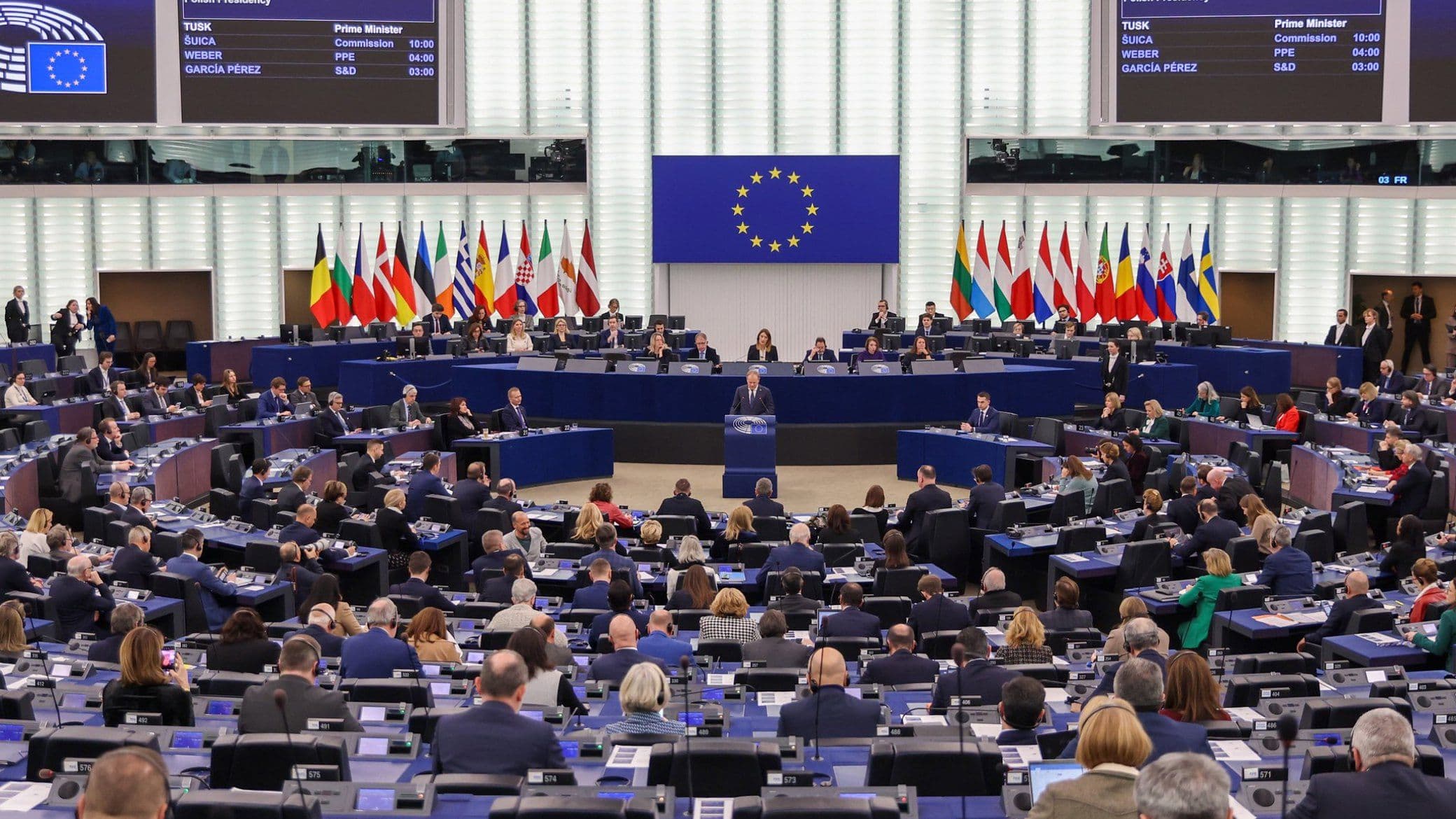
On 23 June 2026, the European Parliament said its Foreign Affairs and International Trade committees endorsed the modernised EU Mexico partnership, with 67 votes in favor, 15 against, and 3 abstentions. The committees highlighted that the agreement aimed to lower tariffs on EU agri-food exports, open Mexican public procurement markets to EU firms, and strengthen commitments to democracy and human rights, according to the European Parliament.
The Parliament said the deal would cut Mexican tariffs of up to 45 percent on some EU agri-food products, protect 568 EU geographical indications, and deliver about €100 million in annual customs duty savings for EU exporters. It also pointed to improved access for EU companies to Mexican public contracts and cited a potential 75 percent increase in EU agri-food exports as a result of the modernised framework, according to the same European Parliament release.
The focus on democratic and human rights clauses aligned with the Parliament’s recent regional stance. On 18 June 2026, MEPs condemned repression in Cuba and urged EU sanctions on responsible officials, underscoring governance and rights benchmarks in external engagements, according to the European Parliament.
By tightening political clauses and expanding market access, the committees framed the agreement as deepening EU ties with Mexico while seeking higher standards on rights and rule of law. The Parliament argued these changes would enhance trade predictability for EU exporters and investors and broaden opportunities in Mexican procurement, according to the European Parliament.