Key Developments
On 27 March 2026, the G7 foreign ministers issued a joint statement on Iran calling to protect civilians, halt attacks on civilians, and restore safe navigation in the Strait of Hormuz, according to HM Government and the Ministry for Europe and Foreign Affairs, following their meeting in Vaux-de-Cernay.
Key Statistics
- 5 initiatives announced by G7 ministers at Vaux-de-Cernay, according to the Ministry for Europe and Foreign Affairs
- 13 countries took part in the Vaux-de-Cernay discussions, per the Ministry for Europe and Foreign Affairs
Main Body
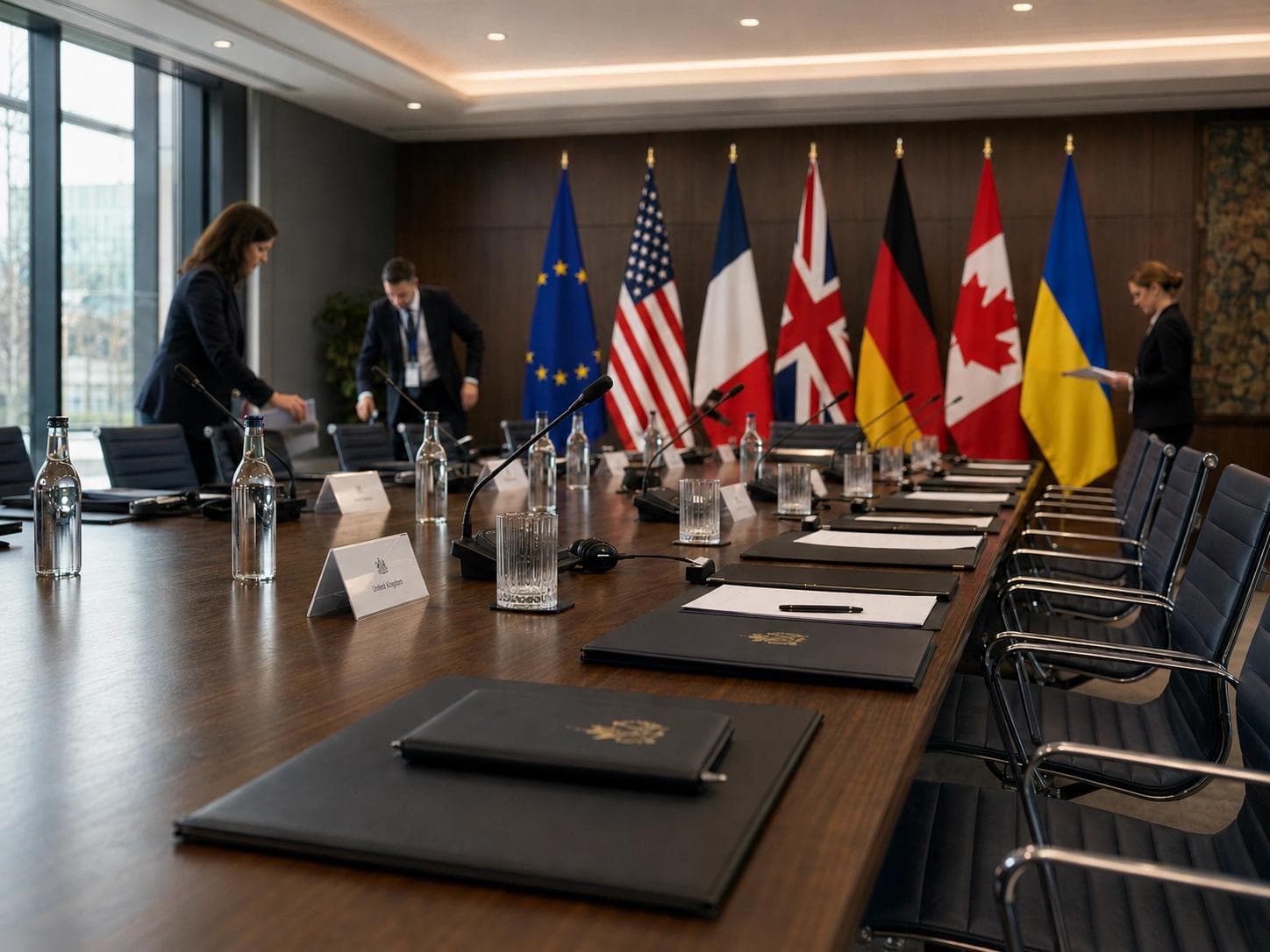
On 27 March 2026, the G7 foreign ministers set out a joint position on Iran that called for protecting civilians and critical infrastructure, an immediate halt to attacks on civilians, and the restoration of safe navigation in the Strait of Hormuz. The statement was published by the United Kingdom as host of the announcement channel and credited to G7 foreign ministers, with the UK describing the text as focused on civilian protection and maritime security in the Gulf region, according to HM Government. France, which chaired the meeting, released the same joint message and underscored the need to contain regional spillover and secure maritime traffic, as set out by the Ministry for Europe and Foreign Affairs. The communique followed two days of talks at the Abbaye des Vaux-de-Cernay near Paris, a gathering framed by broader diplomatic outreach, amid AP News reporting on US engagement with G7 counterparts in France.
Operationally, the French G7 presidency said ministers discussed Iran, Ukraine, and the wider Middle East, and advanced work on global governance, reconstruction, and cross-cutting threats such as drug trafficking, according to the Ministry for Europe and Foreign Affairs. The ministry reported that 13 countries participated in the discussions and that ministers announced five initiatives. It also noted a commitment to support Ukraine and to reinforce collective responses to transnational crime. France previewed these priorities earlier in the week, saying the Vaux-de-Cernay agenda would focus on crisis-response and multilateral coordination with regional partners, as outlined by the Ministry for Europe and Foreign Affairs.
The joint Iran statement built on a prior G7 message issued on 21 March, in which foreign ministers condemned attacks by Iran and affiliated groups against civilians and infrastructure, reaffirmed support to regional partners, and reiterated that Iran must not obtain nuclear weapons, according to the Ministry for Europe and Foreign Affairs. In Geneva, the UK set out complementary positions at the UN Human Rights Council during its urgent debate on Iran. On 25 March, the UK condemned Iran’s recent military actions and called for de-escalation and respect for international law, as stated by HM Government. The UK also argued on 27 March against a draft resolution on unilateral coercive measures, saying UK sanctions were lawful, targeted, and included humanitarian safeguards, according to HM Government. In a separate comment on the urgent debate resolution’s language, the UK cautioned against tasks that it said exceeded the Council’s mandate, as recorded by HM Government.
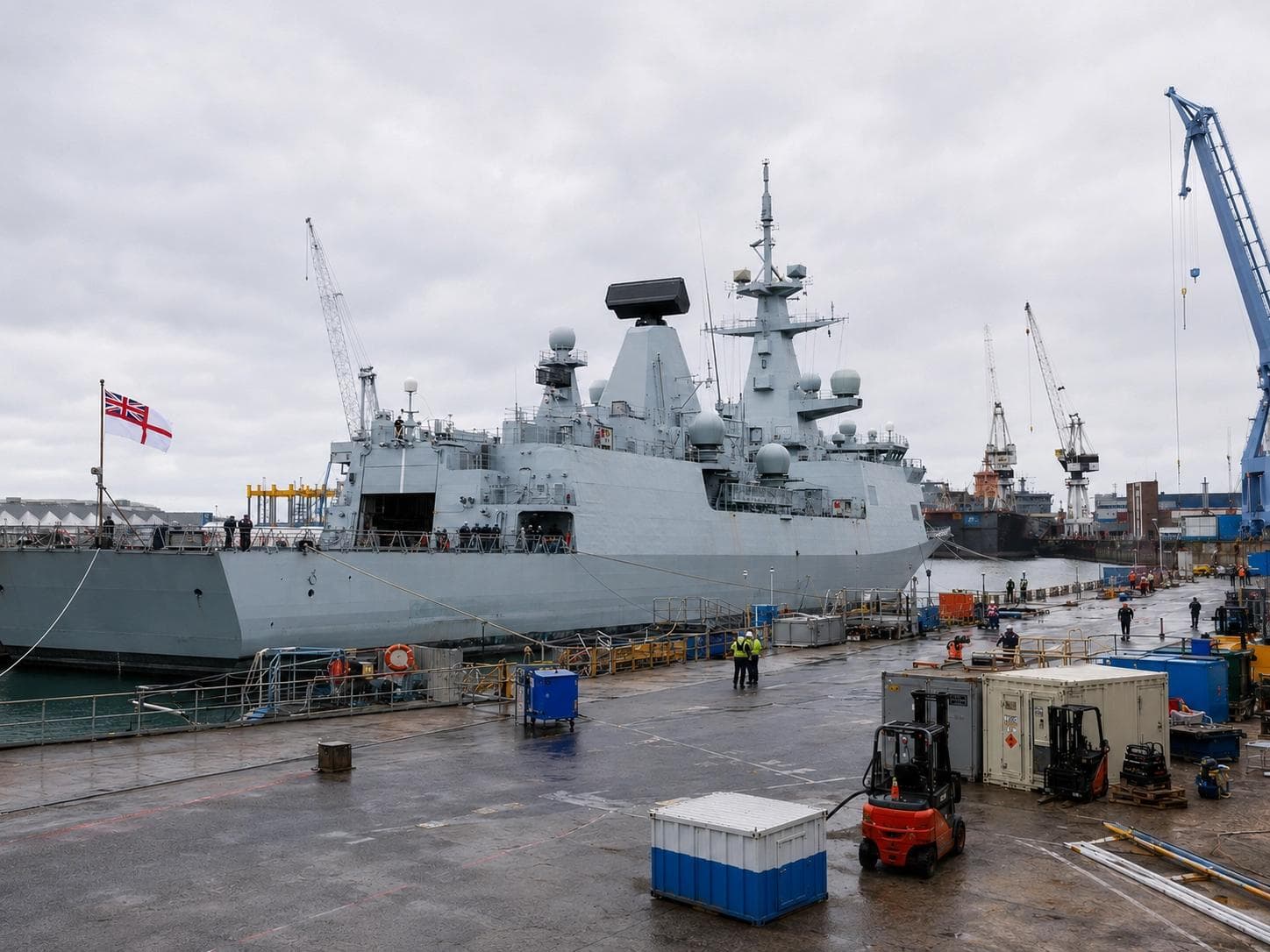
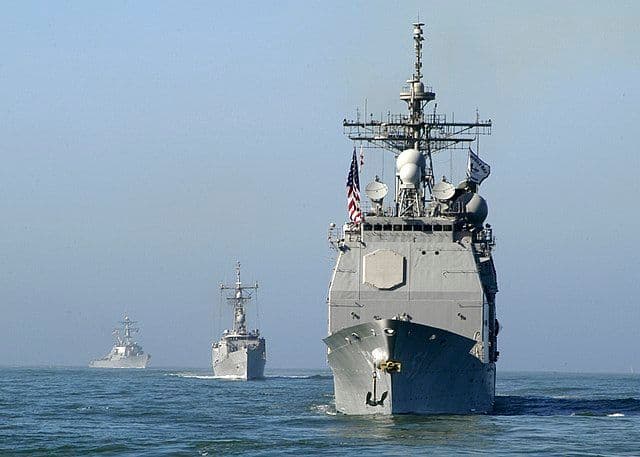
The focus on safe navigation in the Strait of Hormuz and on civilian protection highlighted immediate security and economic stakes. G7 ministers linked maritime security with broader regional stability, while the French presidency pursued a wider agenda to align crisis management, reconstruction, and action against illicit networks that can fuel conflict, according to the Ministry for Europe and Foreign Affairs. The European dimension remained active in parallel, with the European Parliament stressing multilateralism and unified responses to external challenges tied to the Middle East and Ukraine, as noted by the European Parliament. Together, these steps indicated continued G7 coordination to deter further escalation, support partners, and manage the spillover risks that could disrupt regional security and international trade flows.