Key Developments
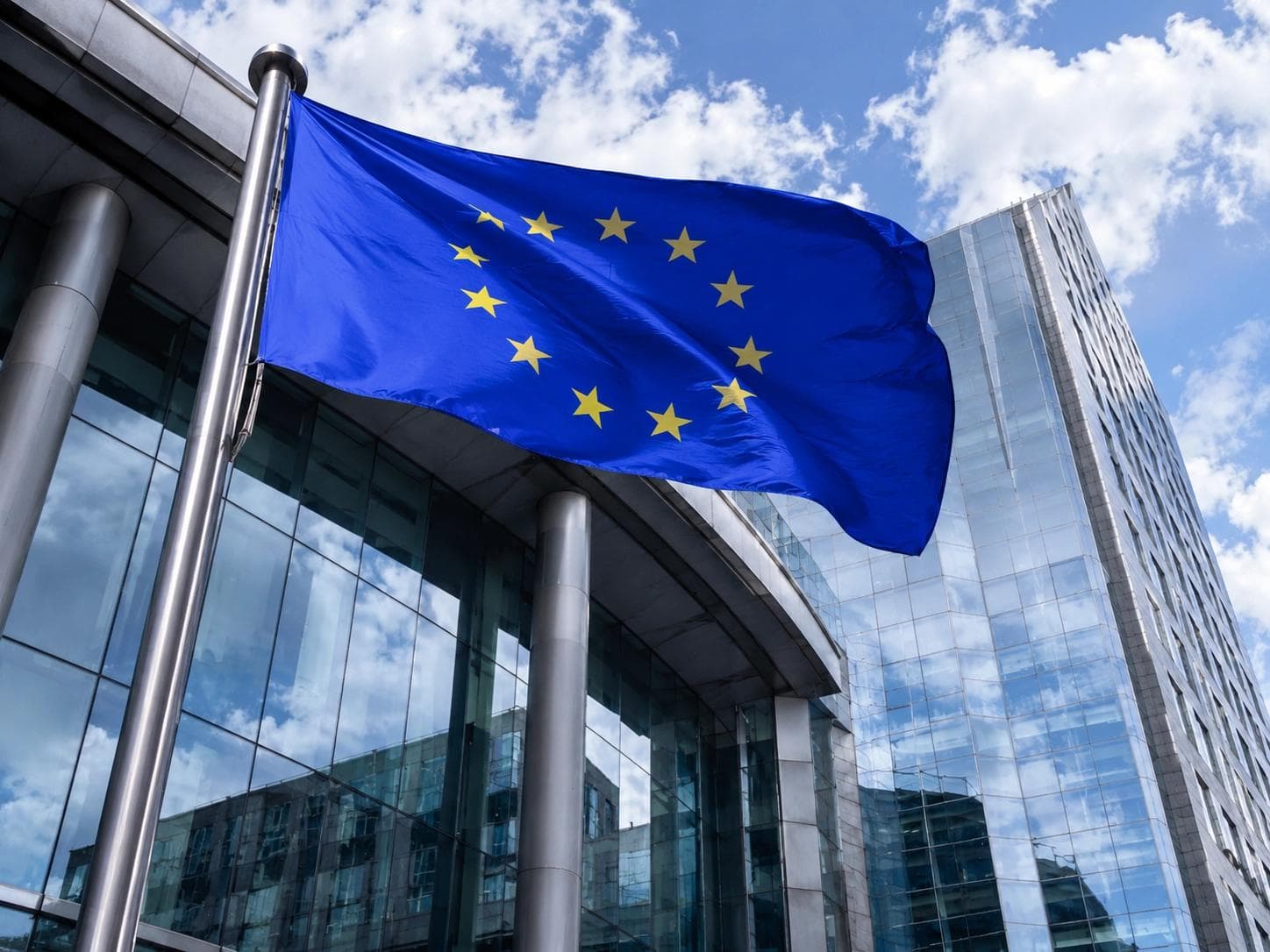
On 13 October 2026, the Ministry for Europe and Foreign Affairs said Foreign Minister Jean-Noël Barrot announced new Russia sanctions in Luxembourg, raising designations from 3,000 to 4,600, while also addressing support for Lebanese security forces and Palestinian elections.
Key Statistics
- 1,600 new Russia sanctions designations were announced by the Ministry for Europe and Foreign Affairs.
- 4,600 total Russia-related sanctions designations had been reached since the start of the war, according to the Ministry for Europe and Foreign Affairs.
- €90 billion in financial support for Ukraine was cited by the Ministry for Europe and Foreign Affairs.
- 3 years of support for Lebanese security forces were covered by the mission adopted, according to the Ministry for Europe and Foreign Affairs.
Main Body
On 13 October 2026, the Ministry for Europe and Foreign Affairs said Foreign Minister Jean-Noël Barrot used a Luxembourg press appearance to announce expanded sanctions against Russia, taking total designations from 3,000 to 4,600 since the start of Russia’s war in Ukraine.
The Ministry for Europe and Foreign Affairs said Barrot also referred to €90 billion in financial support for Ukraine, expressed regret over the Palestinian Authority’s decision to postpone elections, and backed the immediate organization of those elections. The ministry said a mission had also been adopted to support Lebanese security forces over the next three years.
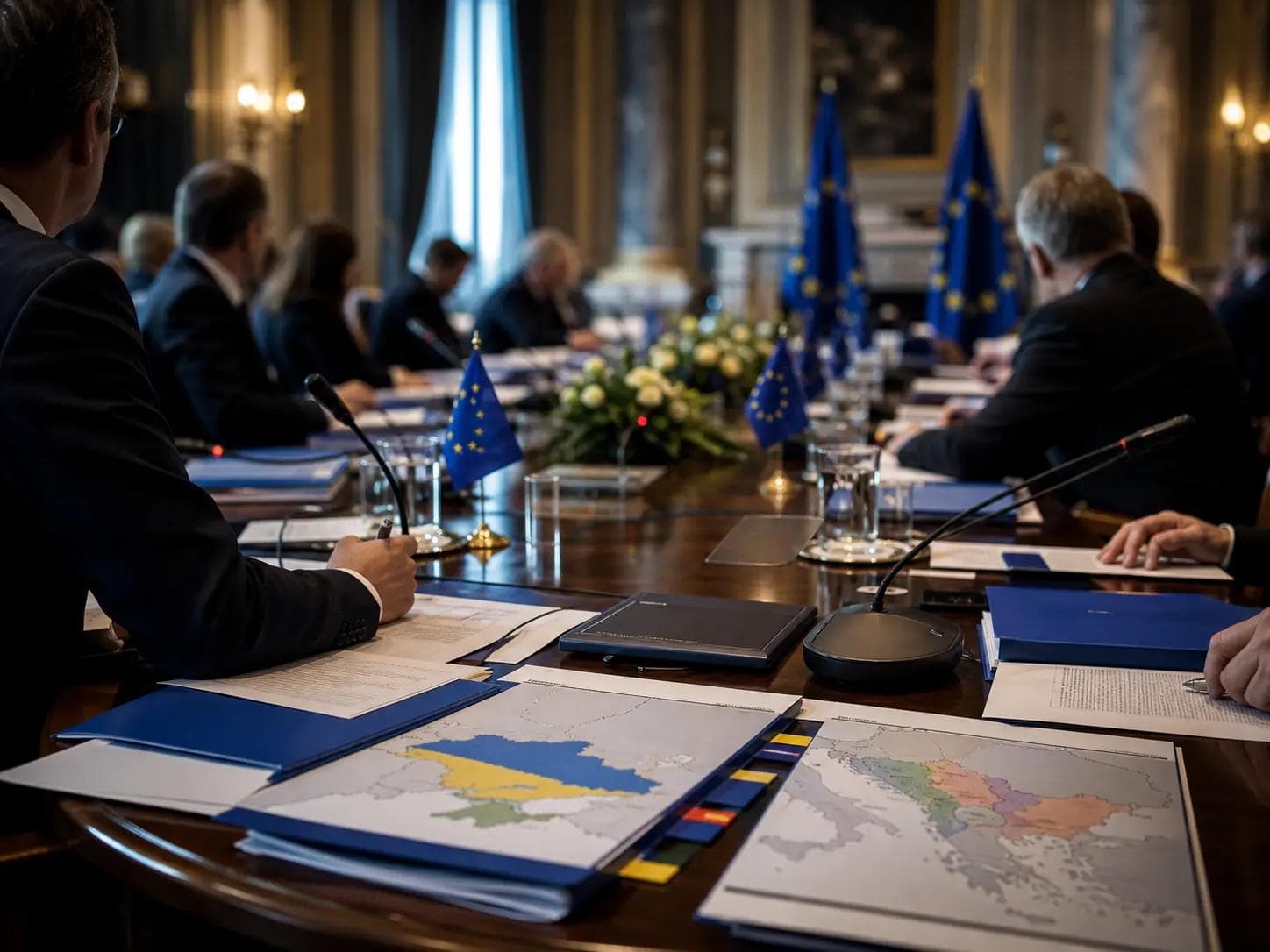
The announcement followed earlier French positioning on 8 October 2026, when the Ministry for Europe and Foreign Affairs said Barrot’s agenda included Ukraine and the Middle East at the EU Foreign Affairs Council and emphasized the need for additional sanctions against Russia.
The development mattered in practical terms because the Ministry for Europe and Foreign Affairs presented Russia sanctions, Ukraine funding, Lebanese security assistance, and Palestinian electoral governance as linked items on France’s diplomatic agenda. That placed European security, Middle East institutional stability, and sanctions enforcement within the same foreign-policy framework.