Key Developments
On 2 July 2026, the European Commission announced a €52 million package to deepen EU-Armenia ties and proposed tariff-free access for 80 percent of Armenian exports, bringing total EU support to €288 million, according to the European Commission.
Key Statistics
- €52 million committed in new EU support for Armenia
- 80% of Armenian exports to the EU proposed tariff-free
- €288 million total EU support under the initiative
- €20 million in additional EU peace dividends for Armenia
- Historical: €34 million in immediate EU assistance delivered to Armenia
Main Body
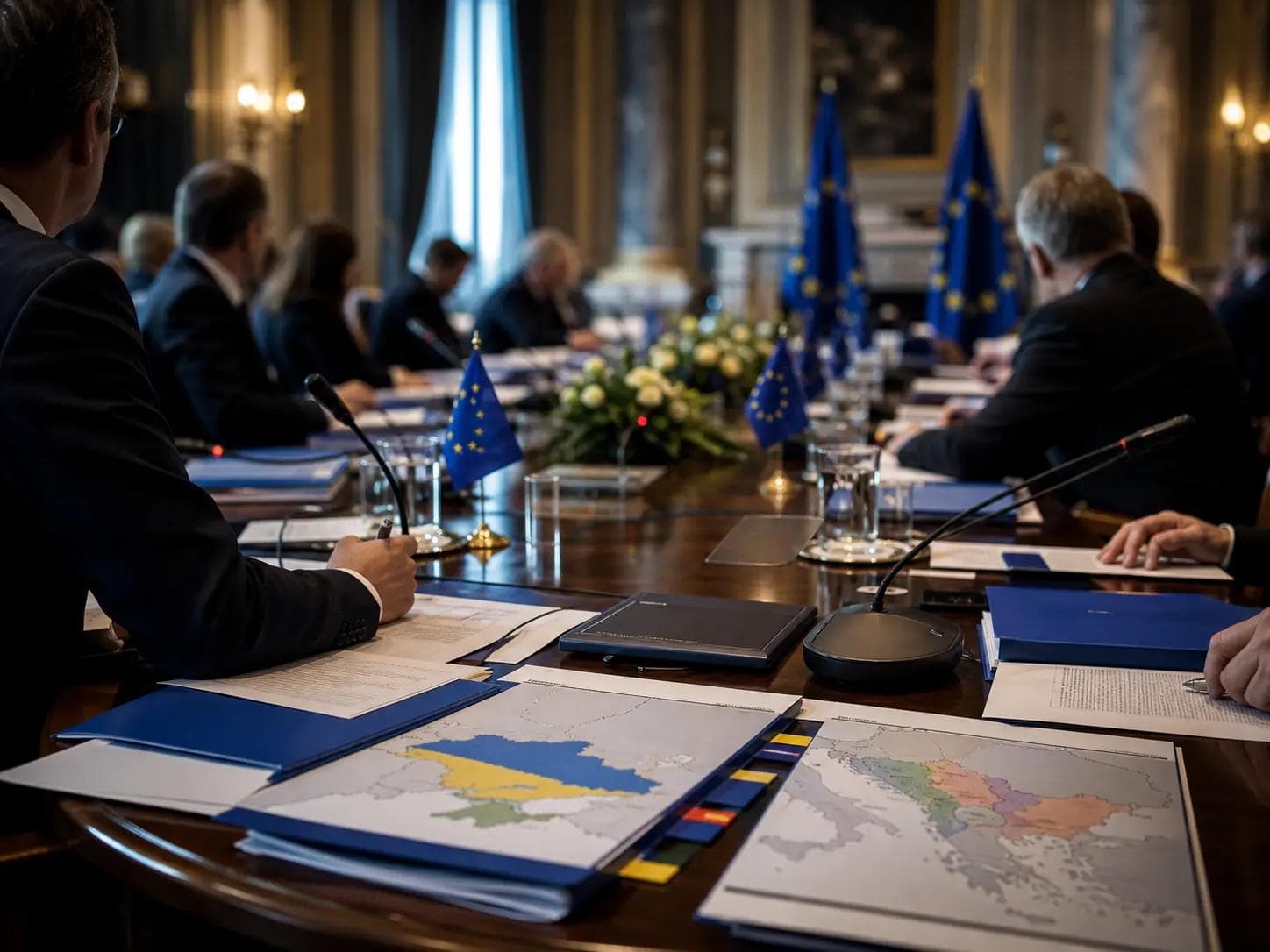
On 2 July 2026, the European Commission said it would strengthen the EU-Armenia partnership, announcing €52 million in support and proposing tariff-free access for 80 percent of Armenian exports to the EU. The Commission framed the step as reinforcing resilience, trade diversification and connectivity following Armenia’s recent elections and amid external economic pressures, while aligning with ongoing peace efforts with neighboring countries.
Detailing the package, the European Commission noted that total EU support under the initiative reached €288 million. It also highlighted €20 million in additional peace dividends to back reforms and cooperation, and it outlined the proposed tariff-free market access for the majority of Armenian exports to spur trade and investment flows.
This built on prior measures. On 19 June 2026, the European Commission confirmed €34 million in immediate support to mitigate the effects of Russian trade restrictions on Armenia’s private sector. On 1 July 2026, President von der Leyen also pointed to up to €200 million in EU connectivity investments across the South Caucasus and a €20 million peace-fostering program in remarks with Azerbaijan’s president, according to the European Commission.
The Commission’s move mattered for Armenia’s economic stability and regional integration. According to the European Commission, expanded market access and targeted funding aimed to diversify Armenia’s trade, strengthen supply chains and support peace-related reforms, tying national economic recovery to broader South Caucasus connectivity and cooperation agendas.