Key Developments
According to the European Parliament’s documents, MEPs queried Commission plans on Europol rules, energy dependence, company relocations, and state‑aid in border regions (E-001320/2026, E-001271/2026, E-001218/2026, P-001358/2026). France announced funding for One Health and electrification (info.gouv.fr, info.gouv.fr). The UK detailed Atlantic undersea security operations and posture (gov.uk, gov.uk).
Key Statistics
- €47,000,000 allocated to animal health research in France
- €10,000,000,000 French support for electrification by 2030
- 500 UK personnel deployed to track Russian submarines in the Atlantic
- 450 flight hours by UK P-8 Poseidon aircraft in the Atlantic operation
- 18,000 artillery rounds per day cited for Ukraine’s front in UK remarks
- €4,500,000 annual Dutch subsidy for the antisemitism approach
Main Body
European governments focused on security resilience, energy transition, and social cohesion. On 10 April 2026, Members of the European Parliament lodged multiple written questions on policing powers, energy independence, industrial competitiveness, and state aid for border regions, while France announced domestic investments in One Health and electrification, and the United Kingdom detailed operational metrics from an Atlantic undersea security effort. The Netherlands advanced digital sovereignty and anti-hate measures, and in the United States a temporary Iran ceasefire featured in official updates.
European Union
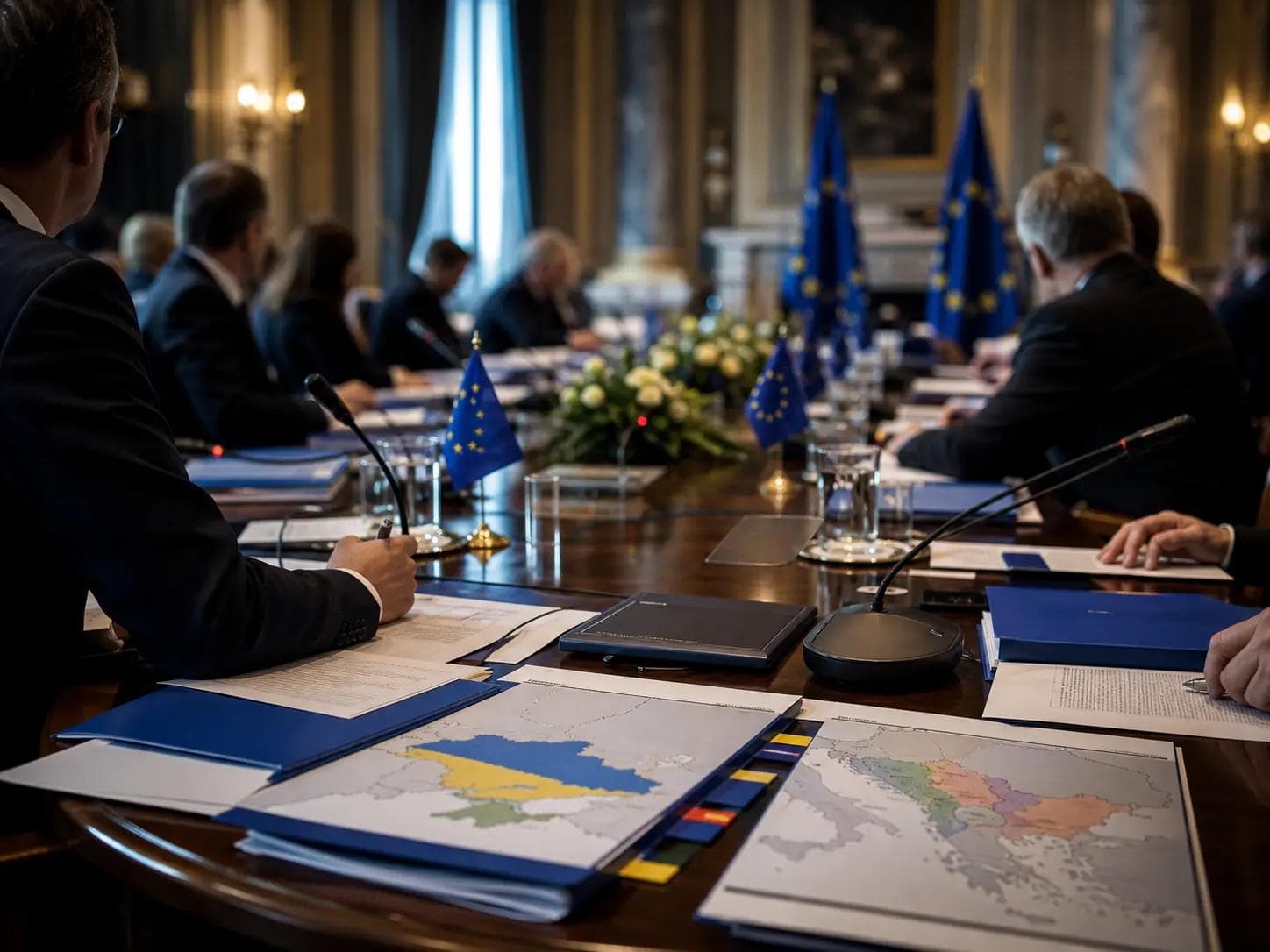
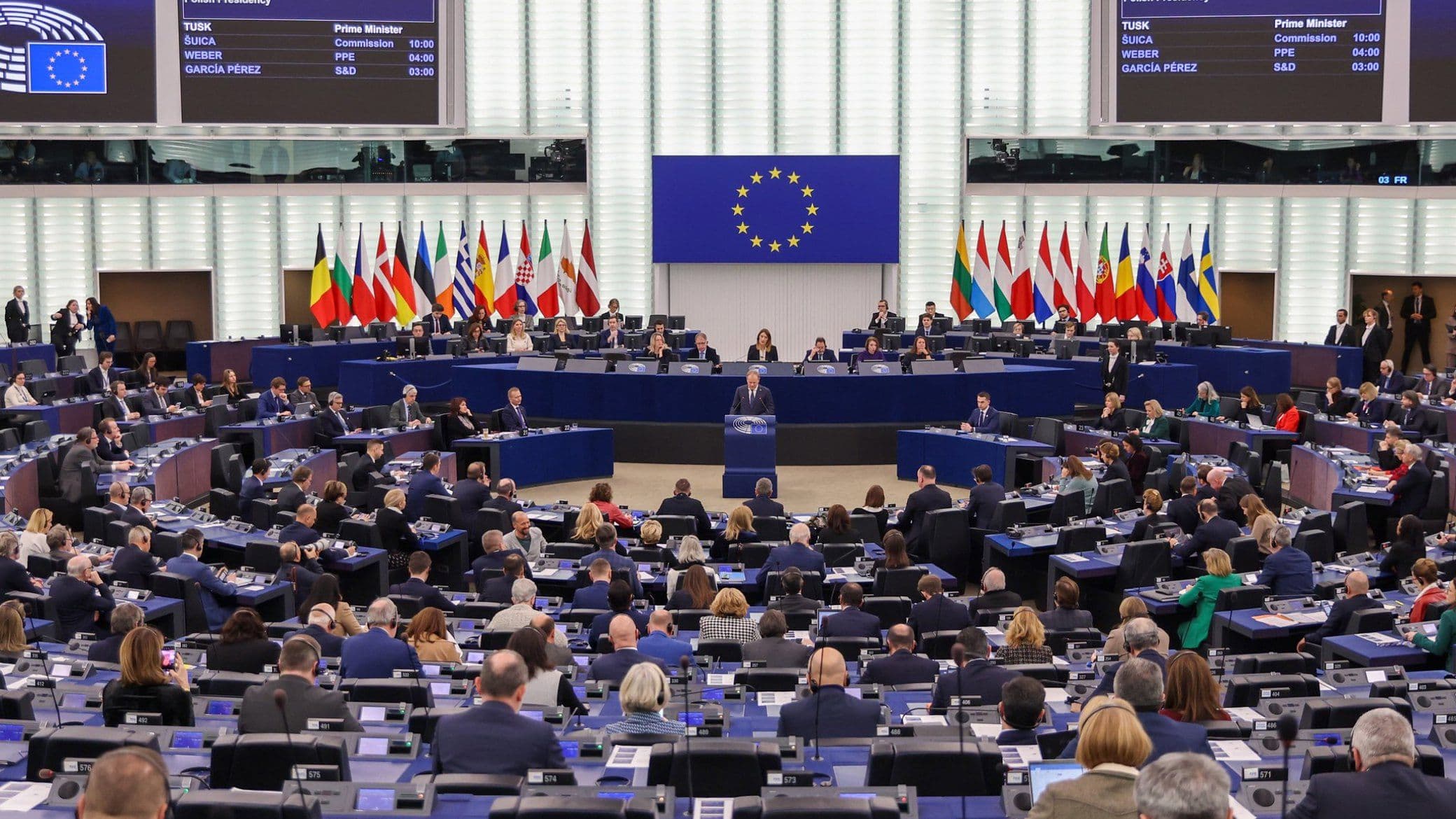
On 10 April 2026, MEPs asked the European Commission to clarify whether revising operational safeguards in the Europol Regulation is necessary or if better use of the urgent procedure under Article 39(3) would suffice, citing practical barriers to rapid action in emergencies, according to a European Parliament written question E-001320/2026. Another written question the same day pressed the Commission on EU energy dependence and policies to cushion diesel price spikes, noting the implications of military interventions by the United States and Israel on oil producers (E-001271/2026). Lawmakers also requested data on companies relocating from the EU since 2020, including destinations, affected sectors, and competitiveness impacts (E-001218/2026). In parallel, MEP Marta Wcisło queried whether the 2026 review of the General Block Exemption Regulation will account for agriculture and fisheries needs in border regions (P-001358/2026). These questions signaled pressure for faster security cooperation tools, buffered energy policy, and calibrated state-aid rules across border economies.
France
On 10 April 2026, the Government of France announced €47 million for animal health research under a One Health approach, framed around the One Health Summit held in Lyon from 5 to 7 April 2026 (info.gouv.fr). The same day, the government outlined measures to accelerate electrification and reduce dependence on gas and oil, projecting support to reach €10 billion by 2030 (info.gouv.fr). These moves aimed to bolster biosecurity in livestock and advance industrial and household decarbonization.
Germany
The Bundeswehr Navy highlighted testing of unmanned systems to protect underwater infrastructure at SeaSec Data2Sea 2026, stating on 10 April 2026 that new systems would be trialed in realistic scenarios to strengthen maritime security (Bundeswehr). Also on 10 April 2026, a Bundeswehr job profile underscored fuel logistics as a critical capability, noting an upcoming six-month deployment to Lithuania for a fuel specialist with Panzergrenadierbataillon 401 and shortfalls in such specialists (Bundeswehr). Separately, a European Parliament written question raised concerns about sanctions affecting journalist Hüseyin Doğru and relatives without judicial review, seeking Commission safeguards (E-001321/2026).
United Kingdom
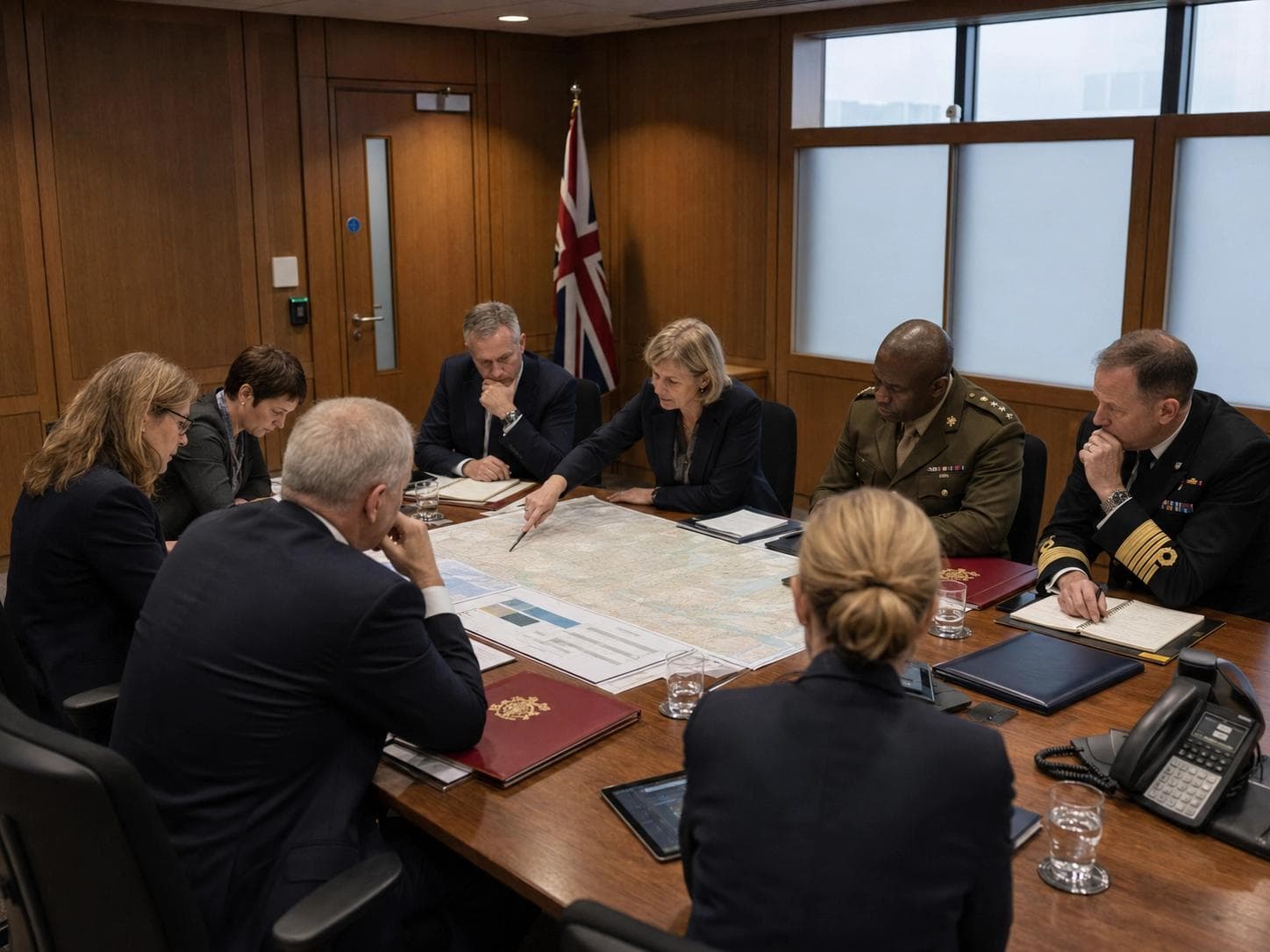
On 9 April 2026, the Defence Secretary reported an Atlantic operation countering risks to undersea infrastructure, citing 500 deployed personnel and 450 flight hours by P-8 aircraft, alongside steps to raise defence investment (gov.uk). The Minister for Armed Forces said on 11 April 2026 that one drone can match the lethality of 22 artillery rounds and referenced 18,000 artillery rounds expended daily on Ukraine’s front, stressing logistics demands (gov.uk). In diplomacy, a 9 April 2026 UK statement urged Kosovo and Serbia to use the EU-facilitated Dialogue (gov.uk). The Foreign Secretary also underscored freedom of navigation in the Strait of Hormuz in a Mansion House address (gov.uk).
Netherlands
On 9 April 2026, the Dutch government said Defence will build a sovereign cloud for state-secret data with KPN and Thales to reduce reliance on the United States and harden digital capabilities in a national data center (Rijksoverheid). A 10 April 2026 update detailed an antisemitism approach including funding for security and education initiatives (Rijksoverheid). The government also proposed increasing the number of island councillors and deputies in Bonaire, Sint Eustatius, and Saba to improve representation ahead of March 2027 elections (Rijksoverheid). On 10 April 2026, it announced Prime Minister Jetten’s 13 April 2026 visit to Washington for meetings with US counterparts (Rijksoverheid).
United States
On 10 April 2026, the Department of War reported a two-week ceasefire with Iran and noted Secretary of War Pete Hegseth’s remarks on Operation Epic Fury, alongside Gold Star Spouses Day observances (Department of War). The same day, it said the White House Office of National Drug Control Policy honored National Guard-supported counterdrug personnel tied to 10 award-winning investigations (Department of War). On 8 April 2026, the European Commission welcomed the two-week ceasefire, citing facilitation by Pakistan and other partners (European Commission).
The week’s developments pointed to a shared policy arc: hardening critical infrastructure at sea, strengthening digital and energy sovereignty, and maintaining social cohesion. For policymakers, the operational metrics disclosed by the UK, France’s multi-billion-euro electrification path, the Netherlands’ sovereign cloud, and EU scrutiny of policing powers together frame near-term resourcing, capability development, and regulatory priorities that will drive implementation choices in 2026.