Key Developments
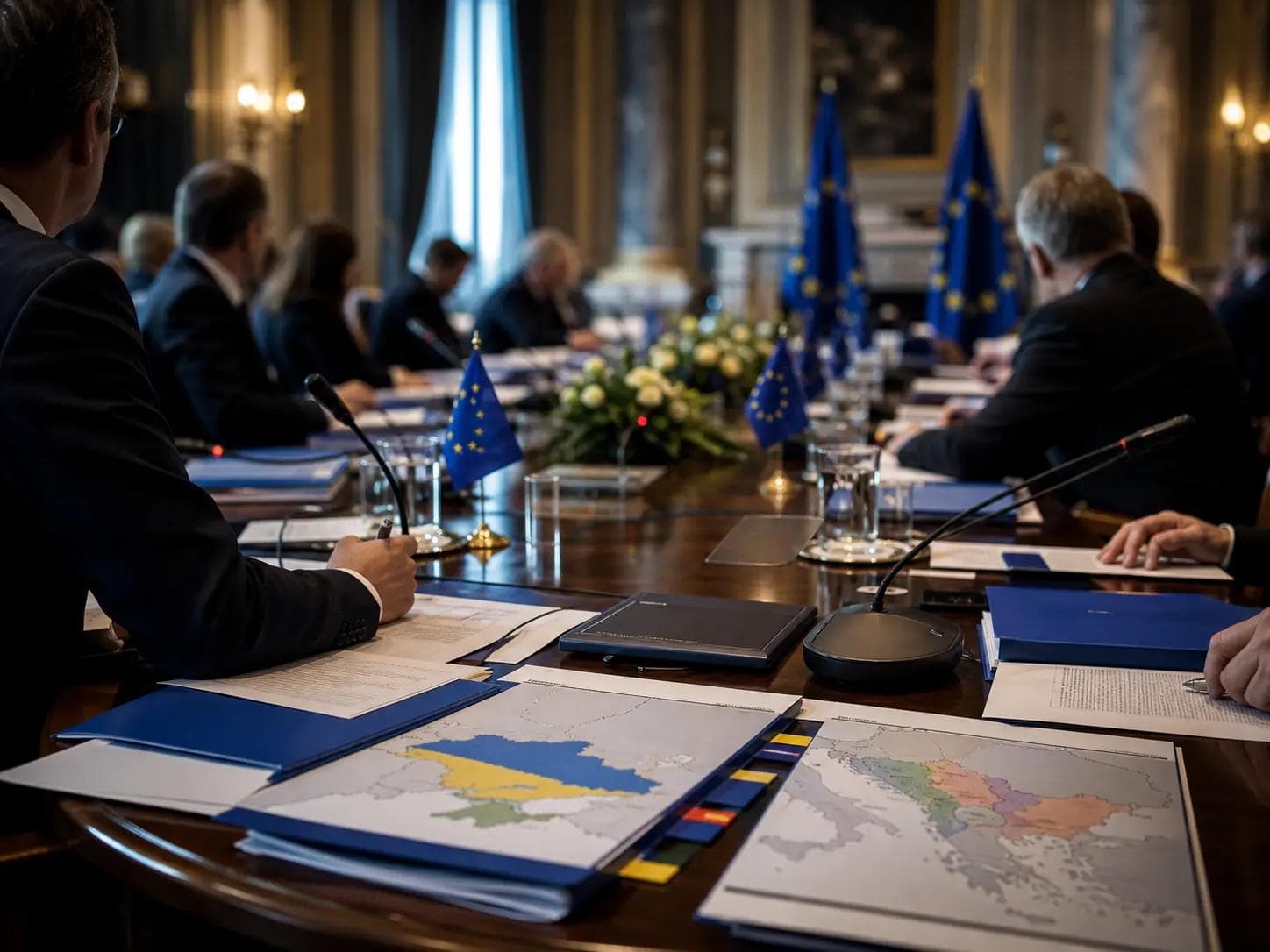
On 29 July 2026, the European Commission said Ukraine, Romania, Moldova and EU representatives had agreed to strengthen cooperation to preserve Ukraine’s access to global markets amid security threats to Black Sea and Danube navigation.
Key Statistics
- 226 million tonnes of Ukrainian goods exported through Solidarity Lanes, according to the European Commission
- 108 million tonnes of goods imported by Ukraine through Solidarity Lanes, according to the European Commission
Main Body
On 29 July 2026, the European Commission said senior representatives from Ukraine, Romania, Moldova and the Commission had met to reinforce cooperation on Ukraine’s trade access to world markets. The Commission said the talks focused on threats to commercial navigation in the Black Sea and on the Danube, including Russian attacks on civilian vessels.
The European Commission said participants discussed alternative routes intended to reduce disruption to Ukrainian trade. The Commission said its Solidarity Lanes initiative had supported large-scale Ukrainian exports and imports during the war, making land and inland waterway routes a practical part of Ukraine’s economic connectivity with the EU and wider markets.
The move fit a wider EU policy pattern on Ukraine. On 16 July 2026, the European Parliament said ministers from Ireland’s Presidency of the Council had identified support for Ukraine among their priorities in committee briefings. On 23 July 2026, the European Parliament said its Foreign Affairs Committee delegation to China had urged Beijing to use its influence on Russia to support a ceasefire in Ukraine.
The development mattered because the European Commission presented secure trade routes as central to Ukraine’s ability to keep goods moving despite attacks on civilian shipping. For Romania and Moldova, the same cooperation linked border, port and river transport management to regional security and economic resilience around the Black Sea and Danube corridors.