Key Developments
On 28 May 2026, the European Commission met EU countries to review gas and oil supply risks linked to Middle East tensions, projecting EU gas storage could reach 80 percent by end of summer, according to the European Commission. The Oil Coordination Group reported that the closure of the Strait of Hormuz was pressuring crude prices, while no physical supply disruptions were observed, the European Commission said.
Key Statistics
- 80% projected EU gas storage level by end of summer, per the European Commission
Main Body
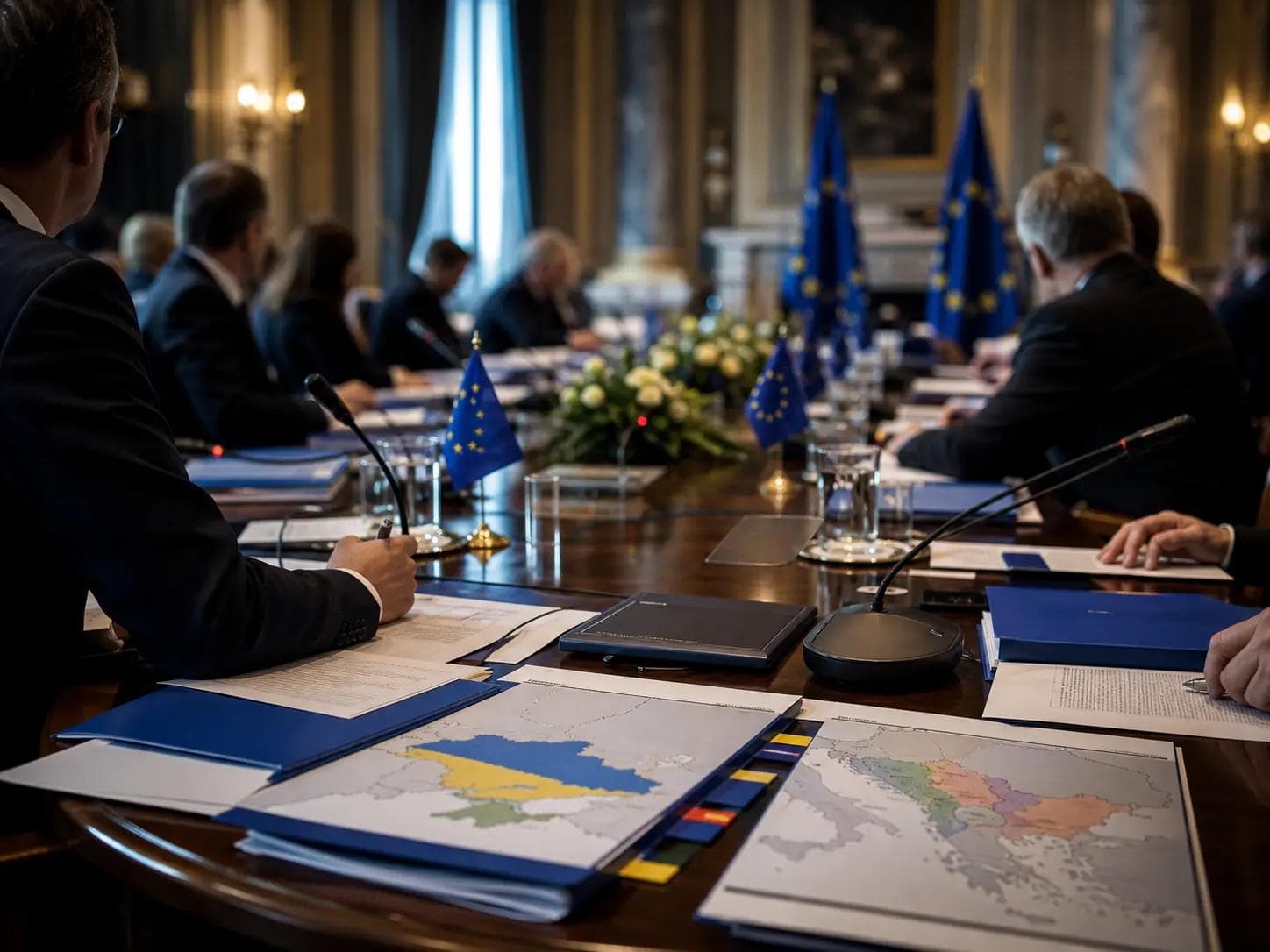
On 28 May 2026, the European Commission held discussions with EU member states on gas and oil supply risks amid ongoing tensions in the Middle East, the European Commission said. The Commission reported that EU gas storage could reach 80 percent by the end of summer and that the closure of the Strait of Hormuz was pushing up crude prices without causing physical supply disruptions, according to the European Commission.
The update followed briefings by the Gas Coordination Group and the Oil Coordination Group. The Gas Coordination Group projected storage around 80 percent by late summer to support winter supply, while the Oil Coordination Group reported price effects from the Hormuz closure and no observed physical interruptions, the European Commission said.
Earlier, on 15 May 2026, the UK told the UN Economic and Social Council that the crisis in the Strait of Hormuz had driven higher costs for essential goods and posed risks to food and energy security, calling for international cooperation, according to HM Government. That statement highlighted wider supply chain vulnerabilities and the need for coordinated responses.
The Commission’s assessment pointed to near-term resilience in European gas markets, while continued oil market monitoring sought to contain volatility, the European Commission noted. Industry leaders separately told the WTO on 28 May 2026 that rerouting around global chokepoints, including in the Gulf, was raising shipping costs, underscoring the broader economic stakes of sustained maritime disruptions.