Key Developments
On 12 September 2026, the Netherlands Ministry of Defence said 50 reservists were sworn in at The Hague, linking the ceremony to national and NATO defence needs, including cyber threats, and to a wider effort to expand reserve participation in the armed forces.
Key Statistics
- 50 reservists were sworn in at The Hague, according to the Netherlands Ministry of Defence
- 3.4 million active military personnel were cited as NATO's strength by the Netherlands Ministry of Defence
- 1 billion people were described as being protected by NATO forces, according to the Netherlands Ministry of Defence
- 12 to 24 months of service were included in the proposed Dutch Dienmodel, according to the Netherlands Ministry of Defence
- 134 international training exercises were approved for Finnish Defence Forces participation, according to the Finnish Government
Main Body
On 12 September 2026, the Netherlands Ministry of Defence said 50 reservists were sworn in at The Hague. The ministry presented the ceremony as part of its effort to strengthen Dutch military readiness for national defence and NATO tasks.
The Netherlands Ministry of Defence said reservists brought civilian skills into the armed forces and could support the response to threats that included cyberattacks. The ministry said its ambition was for reservists to make up one third of the force, while Deputy Commander of the Armed Forces Boudewijn Boots referred to NATO's 3.4 million active military personnel and its role in protecting 1 billion people.
The announcement followed a related manpower initiative. On 11 September 2026, the Netherlands Ministry of Defence said it was developing a Dienmodel with voluntary service options for people aged 18 to 27, including 12 to 24 months of service, with selective conscription described as a possible last resort if international security worsened. On 9 September 2026, the Netherlands Ministry of Defence also reported Dutch activity in NATO missions, Ukrainian soldier training in Germany, peacekeeping in Bosnia and Herzegovina, and European deployments.
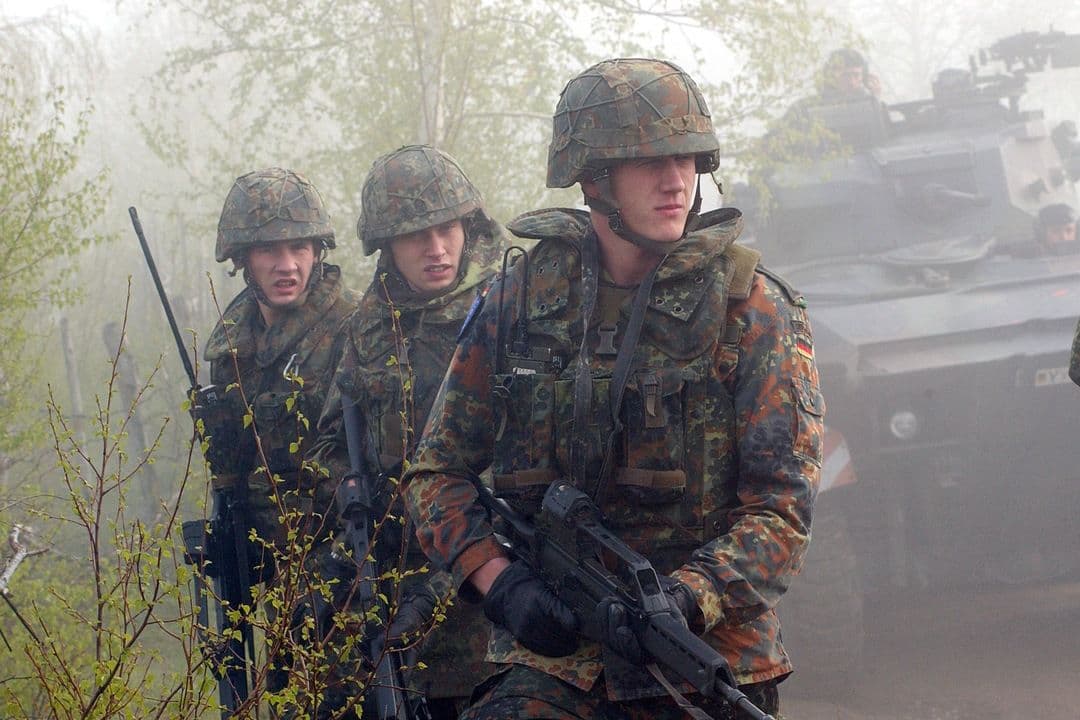
The reserve intake mattered because it added flexible capacity while the Netherlands reviewed broader service pathways. Comparable allied activity showed the same pressure on personnel systems, with the Bundeswehr reporting reservist training and a target of at least 200,000 reservists, and the Finnish Government approving participation in 134 international exercises.