Key Developments
On 9 September 2026, the Minister for Defence announced a $2.4 billion investment to strengthen Australia’s air and missile defence, while a separate Minister for Defence release confirmed the Army’s NASAMS capability had reached final operational status.
Key Statistics
- $2.4 billion committed for Australia’s air and missile defence upgrade
- $30 billion identified for broader air and missile defence investment over the next decade
- 360 skilled jobs expected from the new air and missile defence project
- Historical: $US3 billion assigned to the Defence Industry Growth Facility
- Historical: $129 million-plus committed to sustain Anzac class frigates
- Historical: 70 defence industry jobs supported by the Anzac class sustainment contract
Main Body
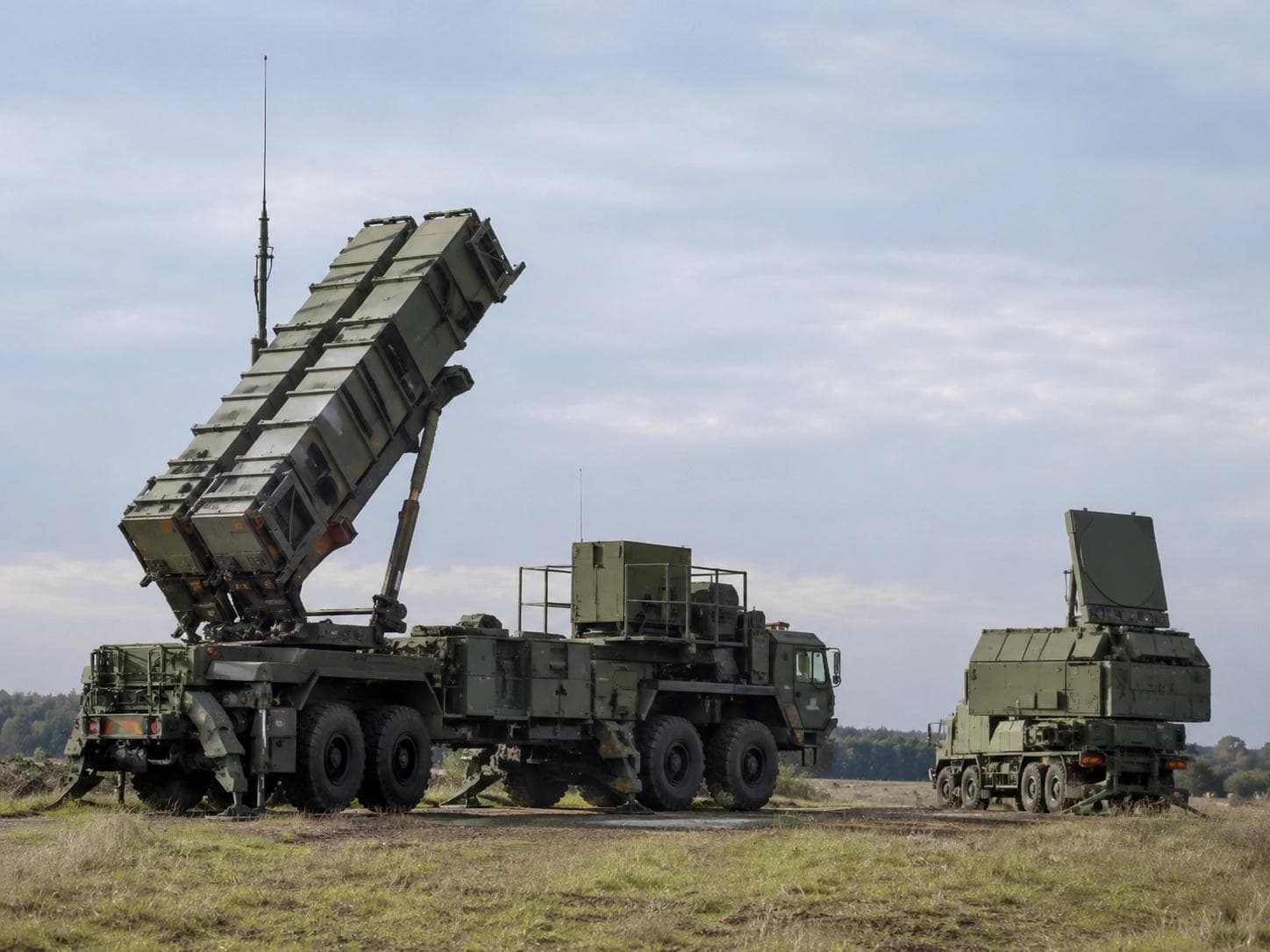
On 9 September 2026, the Minister for Defence announced a $2.4 billion investment to improve Australia’s air and missile defence systems, and the Minister for Defence separately confirmed that the Army’s National Advanced Surface to Air Missile System had reached final operational capability.
The Minister for Defence said the funding was intended to modernise command and control systems that connect Defence platforms and improve responses to air and missile threats. The Minister for Defence said NASAMS was designed to identify and counter airborne threats including drones and cruise missiles, and included Australian-designed radar technology.
The announcement followed related defence industry and sustainment measures. On 28 August 2026, the Minister for Defence announced a $US3 billion Defence Industry Growth Facility to support sovereign capability and export opportunities. On 2 September 2026, the Department of Defence said more than $129 million would support Anzac class frigate sustainment through Babcock Australia.
The measures mattered because Australia’s air defence upgrade linked operational readiness with industrial capacity. According to the Minister for Defence, the new investment formed part of a wider $30 billion air and missile defence commitment and was expected to create more than 360 skilled jobs, strengthening both military response systems and the domestic defence workforce.