Key Developments
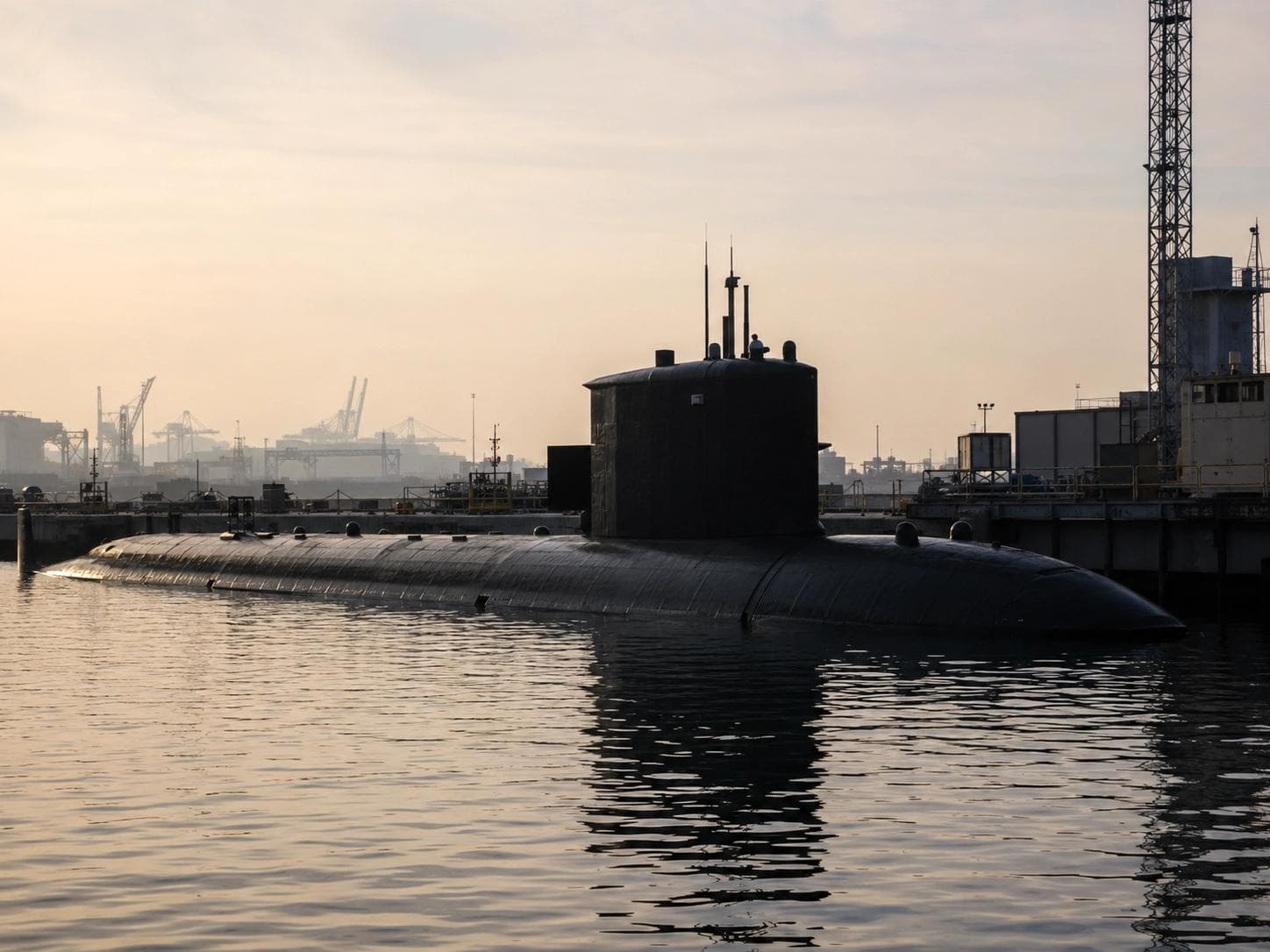
On 24 July 2026, the Minister for Defence said Australia had committed another $4.6 billion to the nuclear-powered submarine construction yard at Osborne, raising total investment to $8.5 billion and supporting the AUKUS submarine programme in South Australia.
Key Statistics
- $4.6 billion in additional investment for the Osborne submarine construction yard
- $8.5 billion in total investment now committed to the Osborne yard
- Nearly 10,000 jobs expected in South Australia through the submarine yard investment
- 1,100 workers currently employed on the Osborne programme
- 1,000 places planned for the Skills and Training Academy
- $1.9 billion in contracts awarded for early works and enabling activity
Main Body
On 24 July 2026, the Minister for Defence announced an additional $4.6 billion for the Nuclear-Powered Submarine Construction Yard at Osborne in South Australia. The Minister for Defence said the funding lifted total investment in the yard to $8.5 billion as part of Australia’s AUKUS nuclear-powered submarine effort.
The Minister for Defence said the programme was expected to support nearly 10,000 jobs in South Australia, with 1,100 workers already engaged at Osborne. The Minister for Defence also said $1.9 billion in contracts had been awarded and that a Skills and Training Academy would provide capacity for 1,000 trainees.
The announcement followed related AUKUS industrial activity. On 10 July 2026, the Department of Defence said it had awarded $6.2 million to three Australian companies under the AUKUS Maritime Innovation Challenge for undersea communications and autonomous systems, with demonstrations expected by the end of 2026.
The investment mattered because the Minister for Defence presented Osborne as the construction base for Australia’s sovereign nuclear-powered submarine capability. In parallel, the Department of Defence described the innovation awards as supporting interoperability among AUKUS partners, linking shipyard construction, workforce development and advanced undersea technology into a broader defence industrial programme.